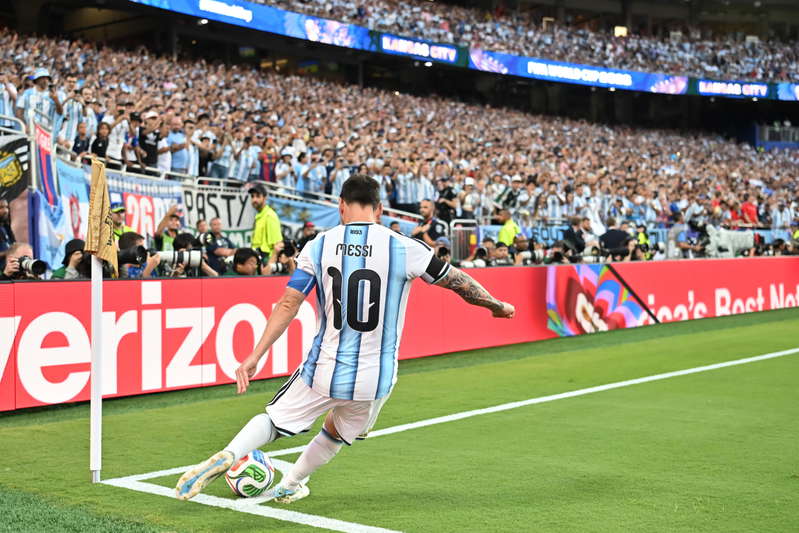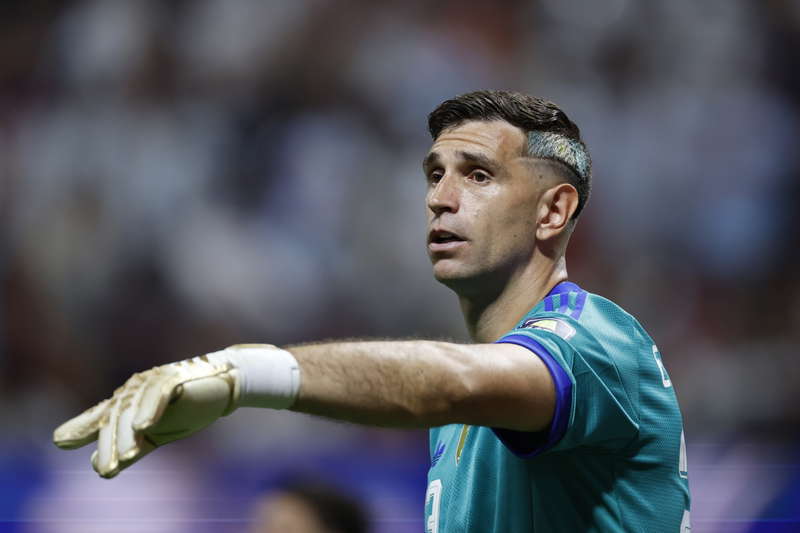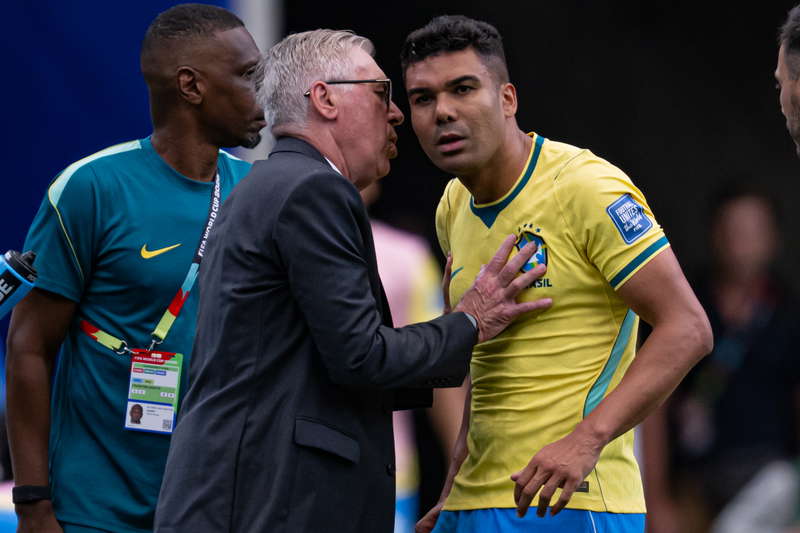


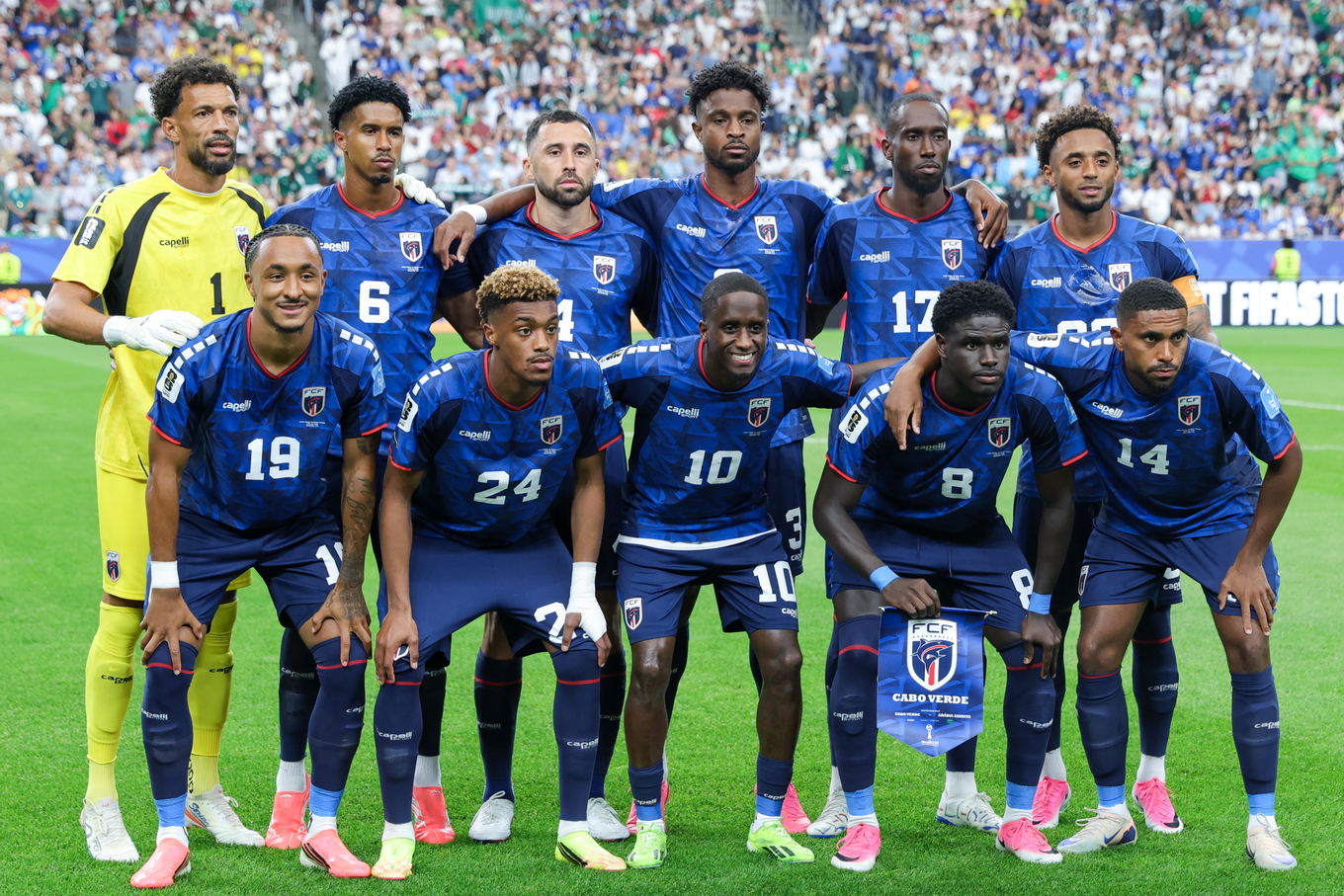
Argentina beat Cape Verde Islands 3-2 after extra time at Miami Stadium on 3 July 2026, but the score only tells part of it. Lionel Messi finished as the top-rated player on 9.5, Lisandro Martínez delivered a goal and an assist at 9.2, and even that was barely enough. Cape Verde took this right to the edge before Cristian Romero's 111th-minute intervention finally ended it.
Messi and Martínez dragged Argentina through
The strongest numbers sit with Argentina's biggest names. Messi's 9.5 rating reflected a game in which he scored once, produced 4 key passes and hit 6 shots on target from 7 attempts. Martínez was not far behind on 9.2, and his goal-and-assist line fits the wider story of the tie: Argentina were dangerous enough, but not secure enough, so their best individuals had to keep rescuing moments.
Pep Guardiola once said of Messi, speaking to si.com: "Don't write about him, don't try to describe him, watch him." That line can sound overused around Messi, but it suited this game. Argentina were not in cruise control. They needed their best player to keep forcing the issue.
Martínez's contribution mattered just as much. When a centre-back ends with a goal and an assist in a knockout game that runs to extra time, it usually means the favourite has spent long stretches chasing control rather than enjoying it. Argentina finished with 21 shots and 11 on target, a volume that should normally settle a tie earlier than the 111th minute.
That is also why Romero's winner should be read properly. His rating was only 7.2, modest next to Messi and Martínez, but the decisive action was his. Romero's 111th-minute header deflected off Diney to decide the tie, which is the clearest way to describe a finish some reports framed more bluntly as an own goal.
Sky Sports captured the scale of the escape in its match report: "Argentina avoided the biggest upset in World Cup history after Diney Borges' own-goal in extra-time rescued a 3-2 win over Cape Verde to book their place in the last 16 of the tournament." That description is strong, and maybe a touch stronger than the full record can comfortably support, but it fits how close this came to embarrassment for Argentina.
Cape Verde Islands made this a real scare
This was not a routine win dressed up as a thriller. Cape Verde Islands twice pulled the game back into doubt and did it against a side loaded with elite players. Sidny Lopes Cabral levelled again in the 103rd minute, a goal that forced Argentina to start over even after extra time had already begun to tilt their way.
Cape Verde arrived as the lowest-ranked nation ever to qualify for the World Cup knockout stages, and they played like a team with no interest in the script. They scored twice against Argentina and kept the game alive because Vozinha made 8 saves. When an underdog goalkeeper is that busy and still takes the tie this deep, the favourite has a problem as well as a platform.
Argentina's attacking output can be read two ways. The positive reading is obvious enough: they created enough to win. The harsher reading is probably closer to the truth here. Twenty-one shots and 11 on target should have buried the contest before extra time, especially once Cape Verde had already shown they could not be put away cleanly.
There were smaller details around the setting too. The match was played in Miami, home of Inter Miami, the club Messi now represents, and the crowd size was reported by SI as more than 70,000. Miami has become a familiar stage for him in a way that still looks strange given everything tied to Barcelona, but the comfort of the venue did not turn this into an easy night.
The winner settled it, but not the argument around the performance
The match itself, Argentina vs Cape Verde Islands, will be remembered as an escape first and a statement second. Argentina did have the standout performers. Messi was the best player on the pitch, Martínez drove huge parts of the attack from the back, and Romero supplied the final touch that sent them through.
Still, Cape Verde Islands exposed the gap between talent and control. Deroy Duarte and Jovane's side of the contest kept finding ways back into it, and Sidny's 103rd-minute equaliser gave the game its second shock. That is why the near-upset framing carries weight even if the "biggest in World Cup history" label should be treated as a media description rather than settled fact.
Argentina are through, and that is what counts in knockout football. But they needed extra time, a deflection off Diney from Romero's header in the 111th minute, and two elite displays from Messi and Martínez to beat Cape Verde Islands 3-2 in Miami.
FAQ
How did Argentina beat Cape Verde Islands in the World Cup?
Argentina beat Cape Verde Islands 3-2 after extra time in Miami on 3 July 2026. Lionel Messi was the top-rated player on 9.5, Lisandro Martínez produced a goal and an assist, Cape Verde twice drew level, and Cristian Romero's 111th-minute header deflected off Diney to decide the tie.
Why was Argentina vs Cape Verde Islands so close?
The game stayed alive because Cape Verde Islands kept responding and goalkeeper Vozinha made 8 saves. Argentina still finished with 21 shots and 11 on target, but only scored 3 times, which left room for Cape Verde to push the tie into extra time before the late winner.
Was this nearly the biggest upset in World Cup history?
Sky Sports framed it that way, saying Argentina avoided the biggest upset in World Cup history. Other coverage was more cautious, so it is better treated as reporting language than a settled historical verdict. What is clear is that Cape Verde Islands pushed Argentina to extra time and were level again in the 103rd minute.
Who were the best players in Argentina vs Cape Verde Islands?
Messi led all players with a 9.5 rating, while Lisandro Martínez followed with 9.2 after delivering a goal and an assist. Vozinha was also central with 8 saves for Cape Verde Islands, and Romero came up with the decisive action when his 111th-minute header deflected in off Diney.
Written by Daniel Hartley with AI-assisted research, cross-checked against 3 outlets. How we work →