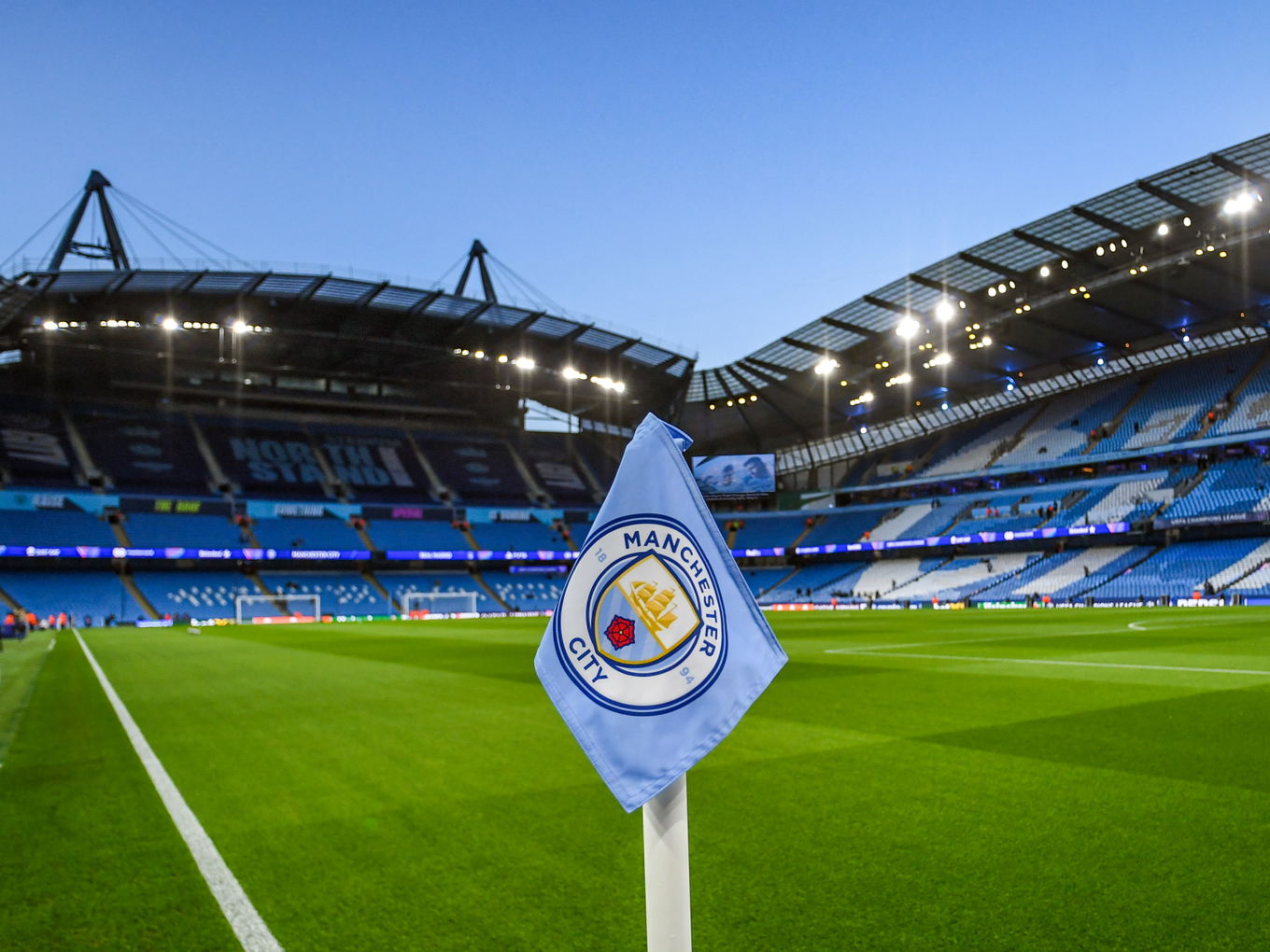
Manchester City start with a database of 650,000 footballers from around the world, then cut that down to a 20-50 player longlist before scouting trims it again. Hugo Viana says that process is powerful, but not final. As he told BBC Sport, "Data plays a role in our decision-making, but it is just one part of the overall picture," and "We know data cannot tell us everything about a player. It cannot fully show a person's character, mentality or behaviour."
Manchester City's recruitment filter
BBC Sport was given unprecedented access to the inner workings of City's metrics operation as the club's recruitment methods were explained in detail. The data team grades players on on-field ability, potential to improve, fit with the team, and suitability as a market transaction.
From there, the list is reduced to about six after the scouting longlist is cross-referenced and further diligence is completed on injury record, athletic performance and behavioural habits. Viana's line about scouts and specialists being central is the key point here: "That is why we study data insights but focus on the expertise of our scouts and other specialists."
The rebuild behind the process
The scale of the recruitment model matches the scale of Manchester City's squad churn. Since winning the Treble in 2023, only four players from that campaign remain. That is a major overhaul by any standard, and it is also why the club's hierarchy wants a process that narrows risk before money changes hands.
Jeremy Doku's 2023 signing is used as an example of how the model was applied to a winger who was direct and aggressive in possession. The club are not hiding from data, but they are not handing transfers over to it either. Scouts still have the final say, and that remains the most important detail from the feature.
Written by Jack Mercer with AI-assisted research, cross-checked against 1 outlet. How we work →