

Manchester United's £852m in estimated net interest payments since 2005 is the figure that stands out after the latest ruling involving Manchester City. United's extended filing to the New York Stock Exchange landed less than five days before the City ruling became public, and it left their own finances open to fresh scrutiny. Record revenue is one part of the story. A £1.15bn debt pile and rising financing costs are the harder part to ignore.
The number that keeps following United
Swiss Ramble estimates United's net interest payments since the leveraged Glazer takeover in 2005 at £852m. That is money tied to ownership costs rather than football operations, and it goes a long way to explaining why every new set of accounts still drags the same debate back into view.
The debt itself has not gone away. United added £90m in borrowing, taking overall debt to £1.15bn, while the latest annual interest payment was £37m, up from £34m the year before. For a club of United's size, those are not small background costs tucked away in the accounts. They shape how aggressive the club can be when it tries to spend, sell and plan long term at the same time.
There is still huge earning power here. United posted record revenue of £677.6m, which is why the club can keep operating at the top end of the market at all. But the idea that revenue alone settles the issue misses the point. Big income helps, yet heavy debt and interest still take their share before the club even gets to the football decisions supporters care about most.
Omar Berrada, quoted by bbc.co.uk, said: "While these results confirm that we are on the right trajectory, we will continue to take a disciplined approach to ensure our finances remain sustainable."
That emphasis on discipline makes sense when the headline totals are set beside the club's wider commitments.
The City contrast is what sharpens the debate
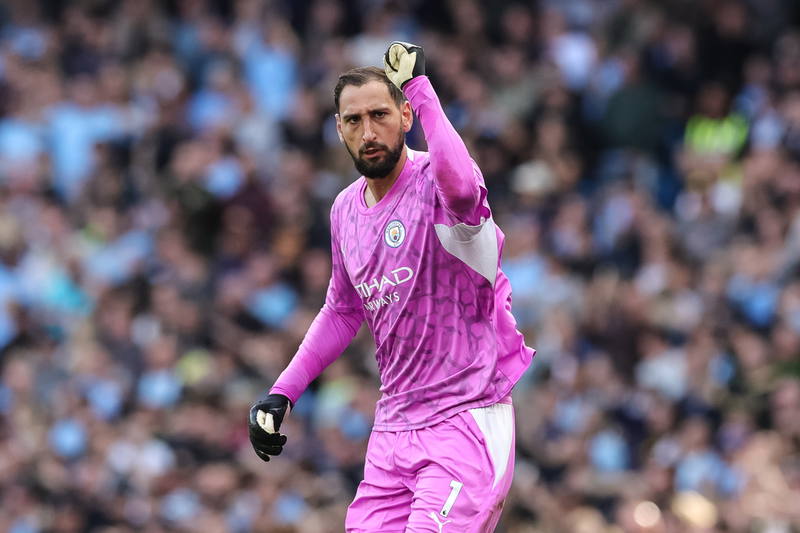
The City ruling has put the contrast in plain sight. In its statement, the Premier League said there was "A total of £830.69m, payable and paid by Abu Dhabi United Group (ADUG) to the club". The club in question was City, and that figure is why this conversation has quickly widened beyond the verdict itself.
With City, the focus is on owner funding going into the club. With United, the focus remains on how much the ownership structure has cost the club over time. Those are different models, and they lead to different kinds of scrutiny. United's filing arriving less than five days before the City ruling became public only made the comparison more immediate.
This is where United's latest spending complicates any easy reading of the accounts. The club said it had spent £191.7m on new players and related costs since 30 June. It also revealed £122.8m in potential contract payments if existing signings hit pre-agreed targets. That does not mean United are standing still in the market. It means every decision sits inside a tighter financial frame than the revenue line on its own suggests.
Spending power is real, but the squeeze is real too
United are not dealing with a cash-starved operation in the ordinary sense. They finished third in the 2025-26 Premier League, bringing Champions League football back after a two-year absence, and their wage bill dropped to £302m without European football. The wages-to-turnover ratio was 45%, which was reported as better than any other club last season.
Even so, the football backdrop is not stable enough to make the financial questions fade away. United are 12th in the current league table after five matches, and their recent run reads as one win, two draws and two defeats. That is hardly a crisis verdict in early October, but it does mean the off-field debate is happening while the team still looks unsettled on the pitch.
So the real story after the City ruling is not only what happened across town. It is that United remain a financial heavyweight carrying a very expensive ownership burden, with £852m in net interest since 2005, a £1.15bn debt total and another £37m annual interest bill in the latest accounts. Their extended filing is already public, and the scrutiny around it is not going away.
FAQ
Why are Manchester United finances back in focus after the Manchester City ruling?
The renewed focus comes from the contrast between the two ownership models. The Premier League said £830.69m was payable and paid by Abu Dhabi United Group to Manchester City, while Manchester United have an estimated £852m in net interest payments since 2005 and overall debt of £1.15bn.
How much debt do Manchester United have right now?
Manchester United's overall debt stands at £1.15bn. The club also added £90m in borrowing, while the latest annual interest payment was £37m. Those figures are why record revenue does not settle the wider argument around the club's financial position.
Are Manchester United financially secure because of their record revenue?
No. United posted record revenue of £677.6m, but that sits alongside heavy debt and rising financing costs. They have also spent £191.7m on new players and related costs since 30 June, with another £122.8m in potential contract payments if targets are met.
What has Omar Berrada said about Manchester United's finances?
Quoted by BBC Sport, Omar Berrada said: "While these results confirm that we are on the right trajectory, we will continue to take a disciplined approach to ensure our finances remain sustainable." That lines up with a club balancing debt, transfer spending and long-term plans at the same time.
Written by Jack Mercer with AI-assisted research, cross-checked against 1 outlet. How we work →