Manchester United's latest accounts show the club's total debt has risen to £1.15bn, with another £90m borrowed since 30 June and £375m still outstanding in transfer fees. For all the talk around cost-cutting under Sir Jim Ratcliffe, the bigger financial story is simpler and harsher: United are still adding to the debt pile while carrying a huge transfer bill.
The debt numbers are getting worse, not better
The headline figure is the one that hurts most: £1.15bn in overall debt.
That total has climbed after United made another £90m in borrowing since 30 June. The filing also shows £200m remains outstanding on the club's revolving credit facility, alongside historic debt of £578m.
Taken together, it leaves little room for spin. Whatever savings have been made elsewhere, the balance sheet is still heavily loaded and the debt has moved in the wrong direction.
The transfer-fee liability is a major part of that. United still owe £375m in transfer fees, and those commitments are not disappearing soon. Of that amount, £104.8m is due between one and two years, with another £51.9m due between two and five years.
There is also a short-term pattern in the borrowing. United made three further drawdowns from the revolving credit limit on 29 and 31 July and 28 August, then paid back £30m on 21 September.
The transfer bill is still dragging through the accounts
The £375m still owed in transfer fees is probably the most revealing number in the filing because it shows how recruitment keeps feeding straight back into the debt picture.
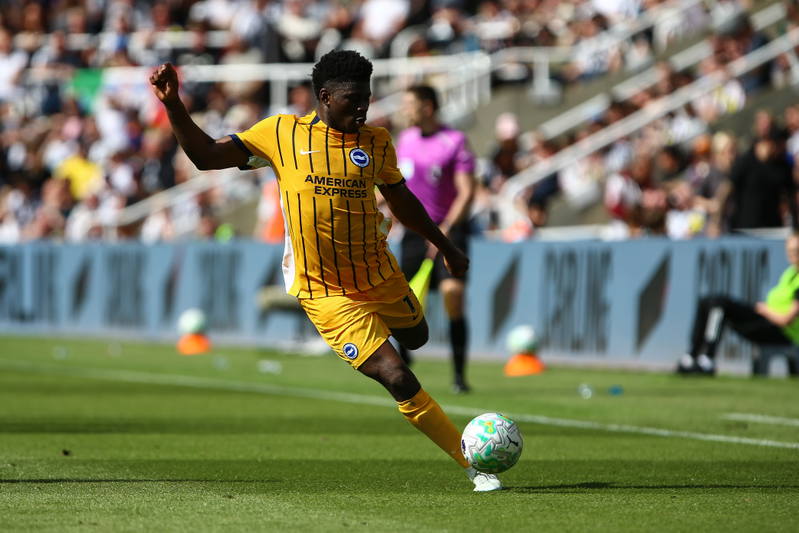
United bought Andrey Santos from Chelsea on 13 July and Youri Tielemans from Aston Villa on 14 July. Carlos Baleba arrived from Brighton on 25 August.
There is some noise around how the fees for those deals are described. One report says Baleba joined in a £70million move, while another groups the trio's stated fees differently against the wider summer spend. The exact split is less clear than the overall liability, but the bigger point is not really in doubt: the money owed for transfers remains substantial and it is sitting there in the accounts at £375m.
Baleba is also a reminder that spending does not always turn into immediate help on the pitch. He has not yet made his Manchester United debut because an ankle ligament injury delayed his start, and his Premier League appearances and minutes for the club both remain at 0.
Speaking to manchestereveningnews.co.uk, Michael Carrick said: "He'll be back in and around the group at some point over the next week or so, so that means after international, he should be in good shape."
Carrick has also explained why United wanted him in the first place. Quoted by manchestereveningnews.co.uk, he said: "I've said before, obviously, he's a quality player, that's why we brought him, and he balances the dynamics of the midfield particularly well."
That may prove true once Baleba is available, but right now he is part of the financial story before he becomes part of the football one. A Tottenham visit to Old Trafford on 10 October has been mentioned as a possible debut date, though nothing more than that.
What this means for United now
The broad verdict from these accounts is not complicated. United's debt has risen to £1.15bn, another £90m has been borrowed since 30 June, and £375m is still owed in transfer fees.
Cost-cutting can trim around the edges, but these numbers show the underlying pressure has not eased. The latest filing leaves United carrying £200m on the revolving credit facility and long-dated transfer obligations that stretch years ahead.
For a club still trying to refresh the squad, that matters more than any single signing. The latest published position is £1.15bn in total debt, with £375m of transfer fees still to pay.
FAQ
Why has Manchester United debt risen to £1.15bn?
United's latest accounts show the club borrowed another £90m since 30 June, taking overall debt to £1.15bn. The filing also shows £375m is still owed in transfer fees, so summer recruitment and existing instalments are still weighing heavily on the balance sheet despite cost-cutting.
How much do Manchester United still owe in transfer fees?
United still owe £375m in transfer fees. The filing also shows £104.8m is due between one and two years, with another £51.9m due between two and five years, which gives a good sense of how long those commitments will stay on the books.
What is the latest on Carlos Baleba at Manchester United?
Carlos Baleba is yet to make his United debut because an ankle ligament injury delayed his start after joining from Brighton on 25 August. Michael Carrick said he should be back around the group over the next week or so, after the international break, and a Tottenham game on 10 October has only been mentioned as a possible debut date.
Did Manchester United reduce their debt after Sir Jim Ratcliffe's cuts?
No. The latest filing shows United's total debt has risen to £1.15bn. Another £90m has been borrowed since 30 June, and £375m remains outstanding in transfer fees, so the broad financial pressure has not eased.
Written by Jack Mercer with AI-assisted research, cross-checked against 2 outlets. How we work →