





Manchester United have gone through twelve managers since Sir Alex Ferguson left, and the club has won only seven trophies across the fourteen seasons that followed. Ferguson won 38 trophies in 27 years, including thirteen Premier Leagues and two Champions Leagues. That gap is the story, more than any one appointment.
The churn after Ferguson
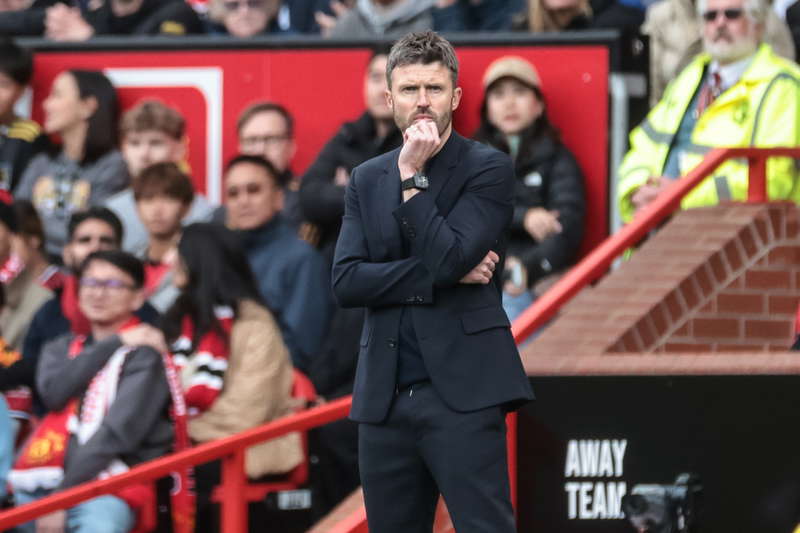
The count is simple enough. United have used eight official managers and four interim appointments since Ferguson walked away, which says plenty about how often the club has reached for a short-term fix. The early optimism around David Moyes, Michael Carrick and later José Mourinho gave way to a cycle that kept resetting before any stable run could take hold.
The quotations attached to that mood are almost comic now: "Ole's at the wheel" and "Ole is in command" were the sort of chants that reflected hope before the next turn of the carousel. Ruben Amorim is the current focal point in that same pattern, arriving after Erik ten Hag and Ruud van Nistelrooy's interim spell.
Mourinho's place in the middle of it
If there is one clear outlier in the post-Ferguson list, it is Mourinho. He delivered the Europa League, the only continental trophy in the period, and his best league finish at United was second in 2017/18. He also won three trophies at the club, more than any other manager in this stretch.
That does not make the era a success by United standards. It just marks Mourinho as the benchmark among a group that never came close to matching Ferguson's pace. United were built under Ferguson on repeated title challenges, and the post-2013 record has been far more modest.
The present-day numbers keep the point current. United sit 18th in the Premier League and 17th in the UEFA Champions League group/league phase standings, with Amorim now carrying the latest version of the same problem. The club's managerial reset has gone on for too long, and the next result only adds to the count.
Written by Jack Mercer with AI-assisted research, cross-checked against 1 outlet. How we work →