

"Mr Marinakis is not involved in blackmail, match-fixing, drug trafficking or corruption," Evangelos Marinakis said in the wording at the centre of his case, as quoted by BBC Sport. The Nottingham Forest owner has now pushed the dispute beyond a bad-tempered matchday. His lawyers lodged a defamation claim in the High Court on Monday against Crystal Palace, after a banner shown during last August's 1-1 draw turned an ugly chant-war into a legal fight.
The banner depicted Marinakis holding a gun to Morgan Gibbs-White's head. That image, and the allegations repeated in the text beneath it, are now the substance of the claim. Palace had already been sanctioned by the FA, but the court action changes the scale of the row.
The High Court claim
This is the key development. The original match was a Premier League draw at Selhurst Park, tense enough on its own, but the bigger story now is that Marinakis has taken formal legal action.
The claim was lodged on Monday, and it is a defamation suit, not a complaint being played out through football channels. That distinction matters in practical terms even if it is awkward editorially: the issue has moved from stadium provocation and disciplinary process into the High Court.
The alleged defamation is easy enough to identify from the material involved. The banner showed the Forest owner holding a gun to Gibbs-White's head and carried the line: "Mr Marinakis is not involved in blackmail, match-fixing, drug trafficking or corruption." Marinakis denies those accusations. What cannot be done, and what the case itself does not settle yet, is treat any of those allegations as established fact.
There is a tendency with football crowd controversies to reduce everything to rivalry and edge. This one goes well beyond that. A banner accusing a club owner, by implication, of serious criminal wrongdoing was always likely to have consequences outside the usual cycle of FA statements and supporter outrage.
The FA case against Palace
The legal route did not emerge in a vacuum because Palace had already been punished. Four months after the match, the FA fined the club £50,000. Before that, in November, the FA charged Palace with failing to ensure supporters did not behave in an improper, offensive, abusive, insulting and/or provocative way at the match.
The FA's own reasoning was blunt. It said, via the Independent: "The fact that Crystal Palace had a policy to prevent banners being smuggled into the stadium demonstrates that it was aware of the risk." That is damaging because it shifts the focus from one rogue display to whether the club had done enough to stop it.
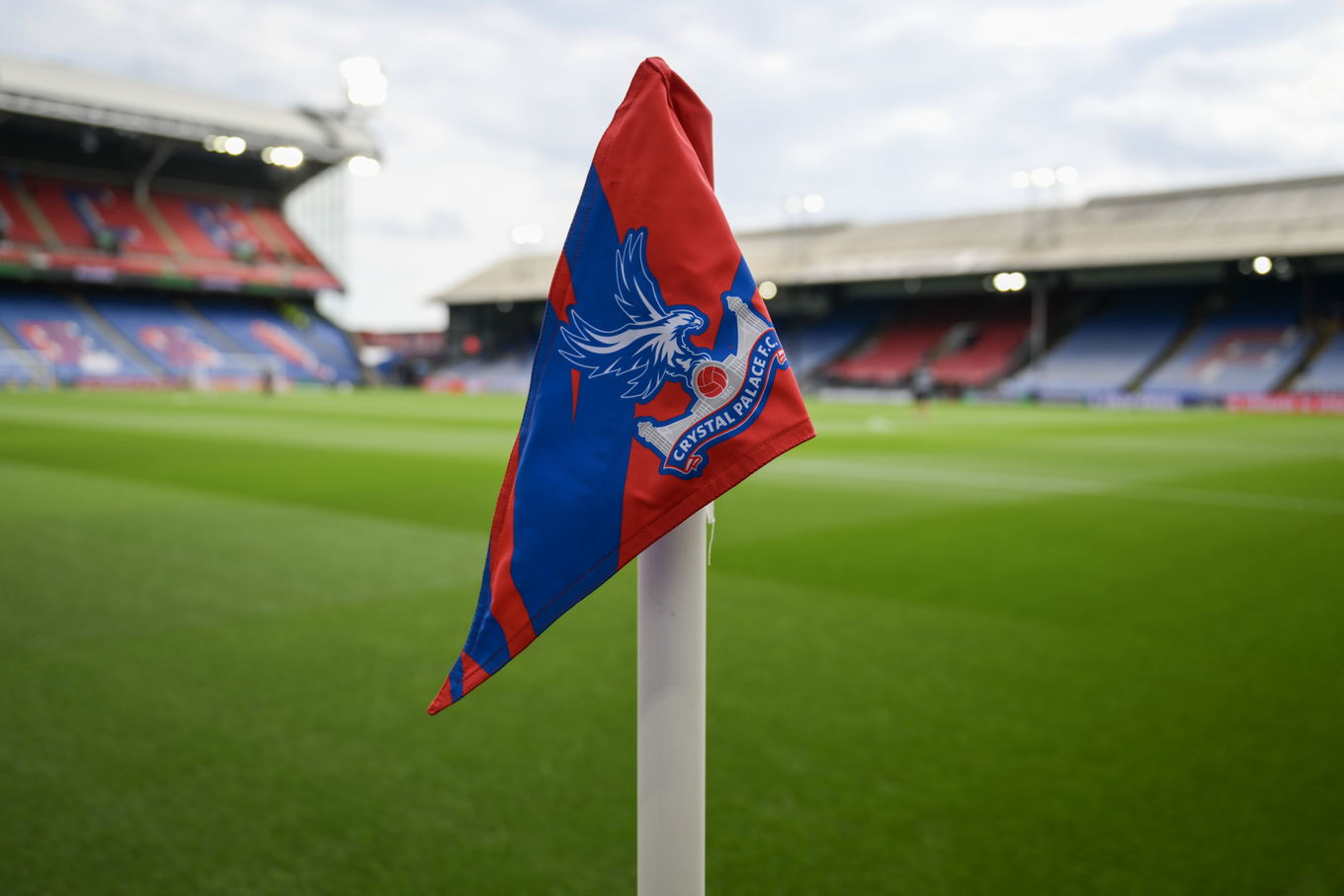
The banner was raised in the Holmesdale Road End, where the club ultras are situated. The game on 24 August last year ended 1-1 between Palace and Forest, and it came amid heightened tensions after Palace were demoted from the Europa League due to a breach of multi-ownership regulations.
Where the disciplinary story gets slightly messy is in the exact link between the banner and the FA charge. One account says the banner was not specified as the reason for the charge. Another ties the sanction closely to the incident while also citing the broader conduct wording used by the FA.
The fairest reading is that the banner row clearly sat inside the disciplinary backdrop, even if the charge was framed in wider terms. Palace were still fined £50,000 after the match, and the FA's language about supporter behaviour and banner controls leaves little doubt that the display formed part of the problem.
What the lawsuit changes
A lot of football controversies burn hot for a week and then sink into the fixture list. This one has done the opposite. The sporting punishment came first, but the more serious phase may be starting now.
For Palace, the case creates a different kind of exposure from an FA fine. For Marinakis, it shows he is treating the wording and imagery as defamatory enough to test in court rather than merely offensive or provocative. That is a harder line than clubs and owners usually take in banner disputes, and probably a sensible one given the nature of the allegations being repeated.
It also means the row is no longer just about supporter expression or rivalry with Forest. It is about whether a public display at a Premier League match crossed into defamation. The FA has already punished Palace once, and Marinakis' lawyers lodged the High Court claim on Monday.
FAQ
Why is Evangelos Marinakis suing Crystal Palace?
Marinakis has lodged a defamation claim in the High Court over a banner displayed by Crystal Palace supporters during last August's 1-1 draw with Nottingham Forest. The banner depicted him holding a gun to Morgan Gibbs-White's head and included wording alleging criminal wrongdoing, which he denies.
Was Crystal Palace already punished over the banner incident?
Yes. Crystal Palace were fined £50,000 by the FA four months after the match. The FA had charged the club in November with failing to ensure supporters did not behave in an improper, offensive, abusive, insulting and/or provocative way at the game.
Did the FA say the banner was definitely the reason for Crystal Palace's charge?
The timing points strongly toward the banner row, but the position is not completely clean-cut. One report says the banner was not specified as the reason for the charge, while another cites the later FA action and a broader conduct clause. What is clear is that the incident had disciplinary consequences before the court case.
What did the banner about Marinakis say?
The banner read: Mr Marinakis is not involved in blackmail, match-fixing, drug trafficking or corruption. It was displayed during Crystal Palace's 1-1 Premier League draw with Nottingham Forest at Selhurst Park and is now central to the High Court defamation claim.
Written by Jack Mercer with AI-assisted research, cross-checked against 4 outlets. How we work →