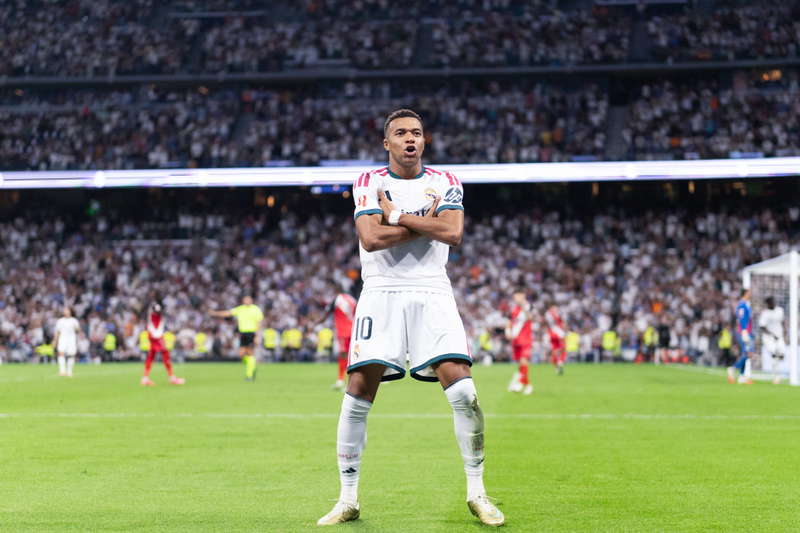


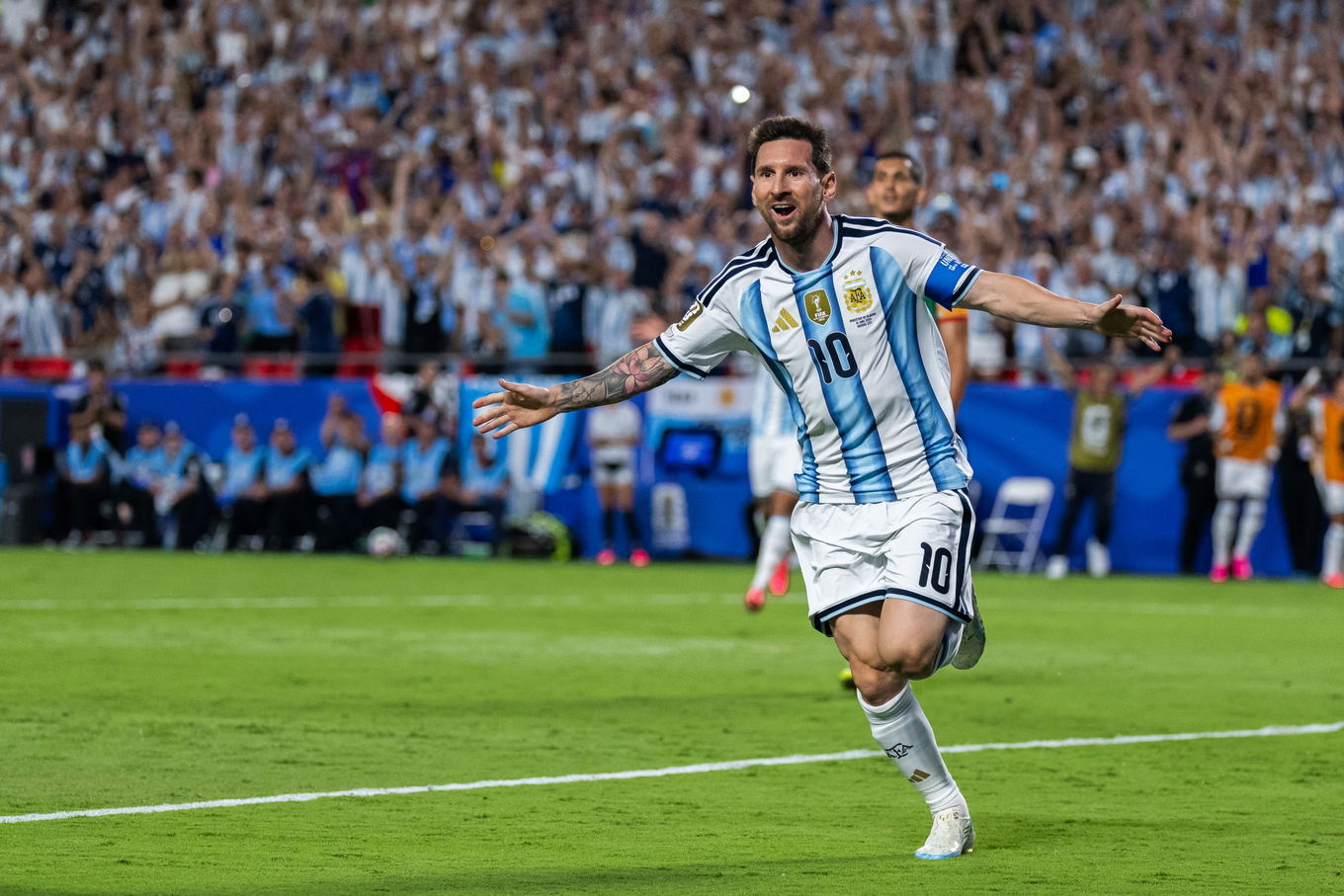
Kylian Mbappé turned a quiet night into a decisive one for France in Paraguay vs France. He went 64 minutes without a shot, then scored the 70th-minute penalty that sent France through and moved him level with Lionel Messi on seven World Cup goals. It was the kind of finish that covered up a lot of ordinary attacking play.
France's limited attacking night
France finished with 1.36 xG, their lowest in a competitive fixture since a 3-1 UEFA Nations League loss to Italy in September 2024. That fits the feel of the game more than any grander description. France were efficient when it mattered, but they were not sharp for long spells.
Mbappé still had five shots and four on target, which is part of why the result never fully drifted away from France. His first real attempt came from 30 yards on 64 minutes, a speculative effort that was more a sign of life than a real turning point. The actual turning point came six minutes later, after Désiré Doué was involved in the penalty incident that VAR reviewed and overturned.
The only loose end is the exact foul detail. One report says Doué was tripped by Gustavo Gómez, another says the challenge came from Diego Gomez. The clean fact is the same: the review led to a spot-kick, and Mbappé buried it.
What the penalty changes
The goal was Mbappé’s seventh of the tournament, and it leaves him tied with Messi at the top of that particular race. That is a meaningful marker in a match where France spent long stretches looking short on invention.
This was not a fluent attacking display, and it did not need to be. Paraguay had already made the tie awkward, and France’s best player was quiet until one chance arrived. Mbappé took it, and that was enough to settle a last-16 game that had been heading nowhere fast before the VAR intervention.
Mbappé’s next task comes in the quarter-final against Morocco, but the bigger takeaway from France vs Paraguay is simpler. When France were blunt, their forward still produced the one decisive touch.
Written by Sam Whitfield with AI-assisted research, cross-checked against 4 outlets. How we work →