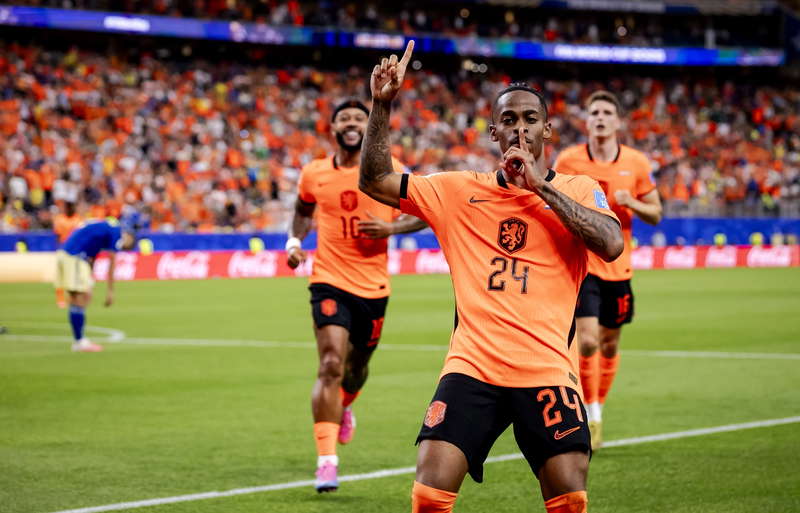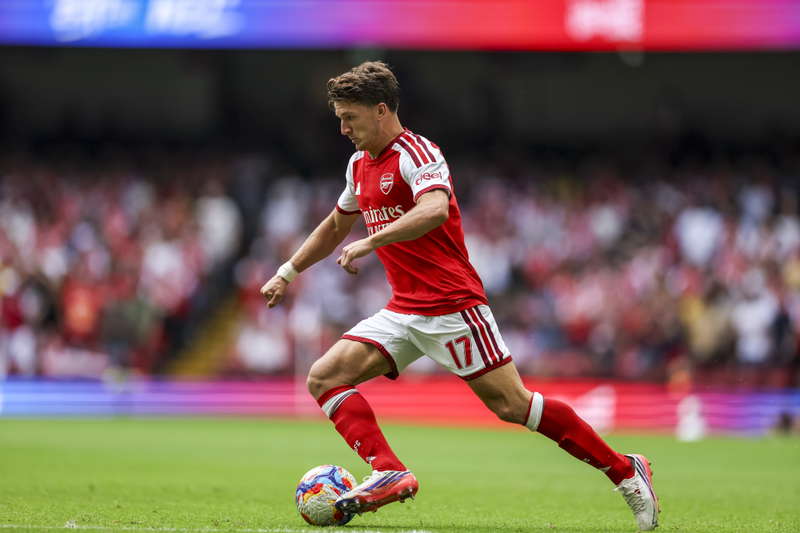


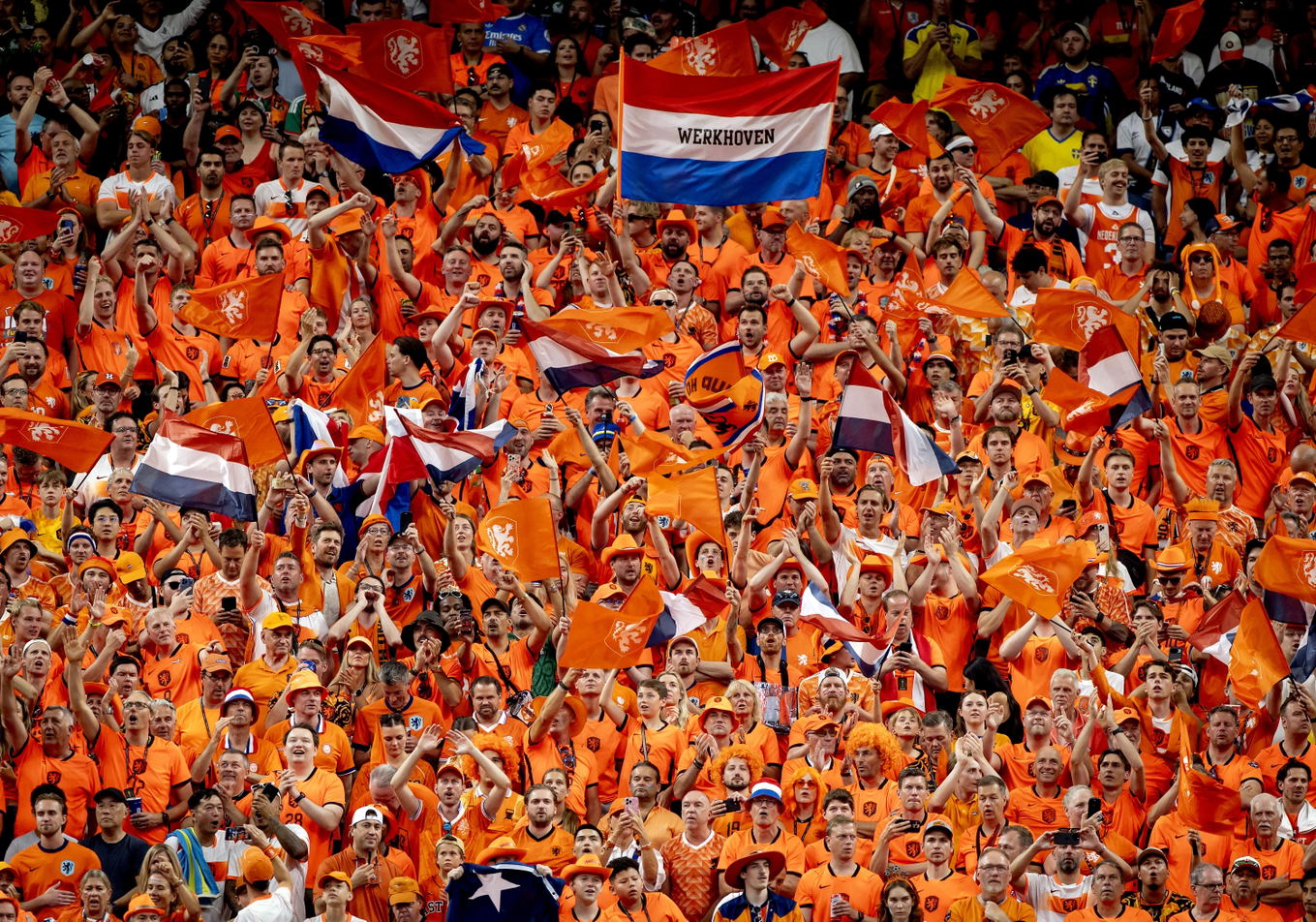
Netherlands go into Netherlands vs Morocco unbeaten and with 10 goals scored, but the cleaner read on this tie sits with their defending. Ronald Koeman's side have conceded 4 times in 3 group matches, the highest total among the top eight ranked nations at this World Cup, and they still have not kept a clean sheet. Against Morocco, that looks like a real tactical problem rather than a minor blemish.
The Dutch back line has not looked settled
The issue is not whether the Dutch can create. It is whether they can control the spaces they leave once attacks break down.
Sports Mole's case is a fair one here. The Netherlands have looked open often enough to make this more than a numbers quirk. Japan scored twice against them despite managing only 3 shots on target. That points to a defence that can still be punished without facing constant pressure.
The most awkward part for Koeman is that this is not a one-off from one bad night. The Dutch have conceded 4 goals in the group stage and have 0 clean sheets in the tournament. For a side carrying knockout-stage expectations, that is a warning sign.
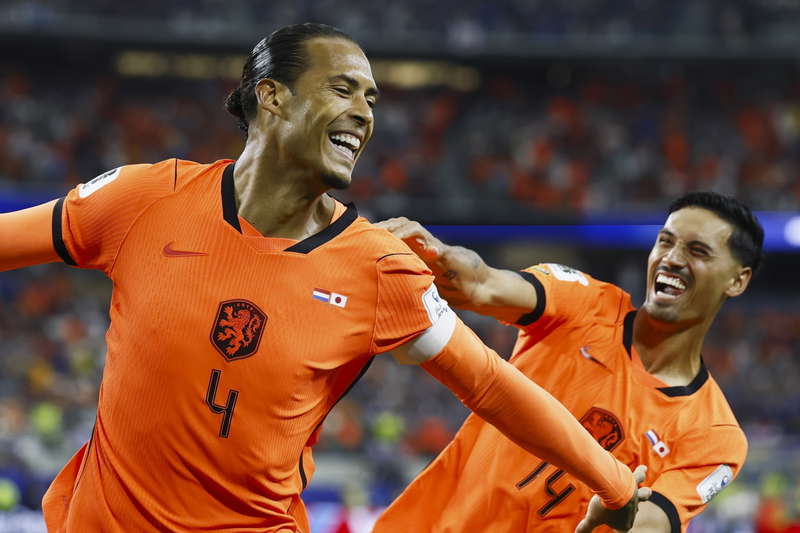
Virgil van Dijk has still performed well on an individual level, posting a 7.5 rating across 3 appearances. The problem looks bigger than one centre-back. It is about the line as a whole, the protection in front of it, and how quickly opponents can reach the channels when the Netherlands commit bodies forward.
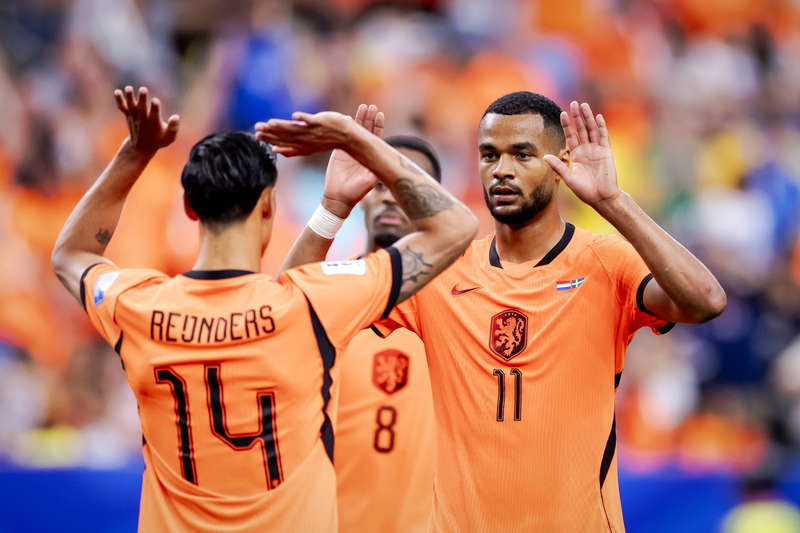
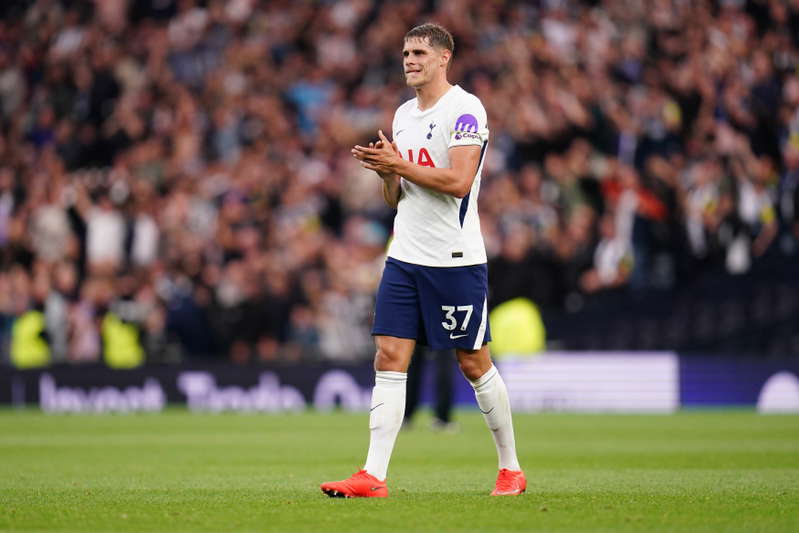
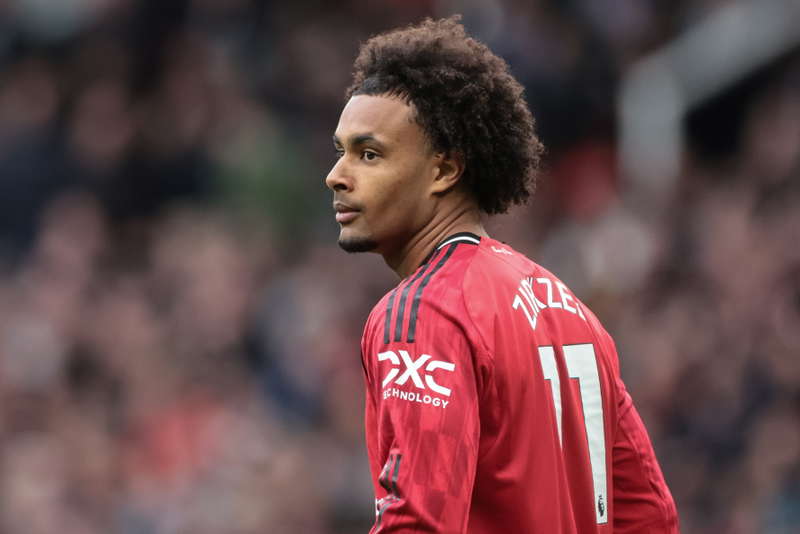
That is where the names around Van Dijk matter. The Dutch attacking width and running power from players such as Denzel Dumfries, Justin Kluivert, Crysencio Summerville and Cody Gakpo can tilt games in their favour, but it can also leave recovery runs exposed if the structure behind the ball is not right. Even players deeper in the shape, like Jurriën Timber, can end up dragged into wider defending than they want.
Morocco's transition game looks like the right stress test
Morocco are the wrong opponent to face if your full defensive chain is still a touch loose. Their threat is tied to pace, direct running and breaking into space quickly, exactly the areas that have already caused the Dutch trouble.
That is why the unbeaten record can mislead a bit. The Netherlands have attacked like a strong knockout side, but they have not defended like one yet. Ecuador and Japan both found moments against them in the group stage, and the Japanese game in particular showed how little volume Morocco may need if openings appear.
This is also where the Dutch reliance on attack-first momentum can become risky. If the Netherlands score first, the game may still tilt their way. But if Morocco can turn one regain into a sprint race, the Dutch back line has already shown it can be stretched.
Morocco's Dutch connection adds another layer
There is a bigger story around Morocco too, though it should not be reduced to politics alone. BBC Sport's reporting frames this squad as one shaped by identity, family and opportunity as much as recruitment strategy.
Nineteen of Morocco's 26-man World Cup squad were born outside the country. That makes them one of the clearest examples of the tournament's wider migration story, and it adds edge to a meeting with the Netherlands.
Hakim Ziyech told BBC Sport: "I've always felt Moroccan. You choose with your heart." That line cuts through the lazy version of this debate.
Former Morocco technical director Pim Verbeek also told BBC Sport that "Family, he argued, often played as important a role as football in shaping a player's decision." So yes, there is a national-team recruitment angle here, but the personal side is just as central.
That makes this tie more interesting, not less. Morocco are not only bringing a dangerous transition game into the last 32, they are doing it with a squad whose links to Dutch football and Dutch society are part of the backdrop.
The Netherlands still have enough quality to win the match. But based on what they have shown so far, Morocco look well placed to expose the part of the Dutch game that has held up least, and the fixture is on 30 June.
FAQ
Why are the Netherlands considered vulnerable against Morocco at the 2026 World Cup?
The main concern is defensive balance, not attacking form. The Netherlands have conceded 4 goals in 3 group games, have no clean sheet in the tournament, and Japan scored twice against them from just 3 shots on target. Morocco's transition threat looks like the kind of problem that can punish that.
Is Virgil van Dijk playing well even though the Netherlands defence looks shaky?
Yes. Virgil van Dijk has still posted a 7.54 rating across 3 appearances, which points more to a team-structure issue than one player collapsing. The broader problem is that the Dutch back line has not produced a full control performance yet.
Why do so many Morocco players have links to the Netherlands and Europe?
Morocco's squad reflects years of diaspora recruitment and family ties, not just football politics. Nineteen of their 26-man squad were born outside the country. Hakim Ziyech told BBC Sport, "I've always felt Moroccan. You choose with your heart," which fits the personal side of those decisions.
Written by Sam Whitfield with AI-assisted research, cross-checked against 8 outlets. How we work →