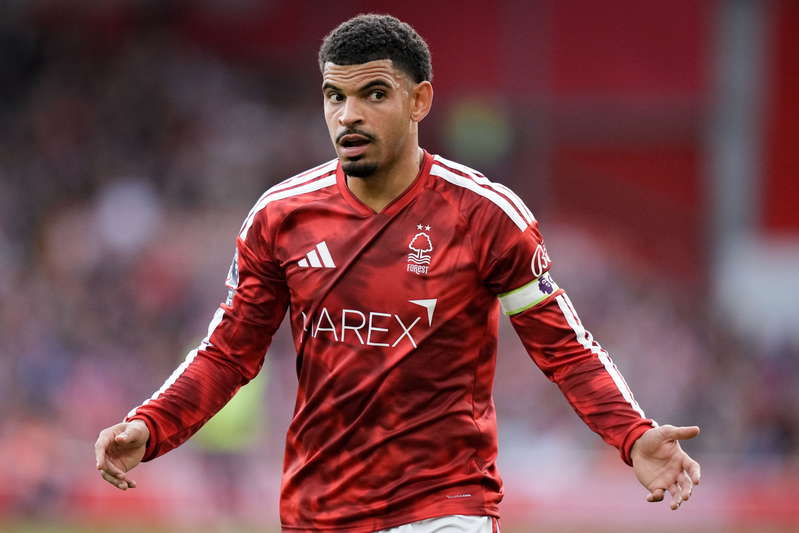



Oliver Glasner has defended his post-Brentford criticism of Nottingham Forest, saying the message was meant to force change rather than punish players. Forest sit 19th in the Premier League, have won just once this season and have lost four of their last five league games. Glasner says the reaction came from a squad that needed a sharper response.
Glasner's explanation
"We have to accept it's not good enough. If we lose four of the last five games, it's not good enough. And that's why for me, it's now time that we change things, that I change things, and that's what I will do," Glasner told Sky Sports.
He was just as direct about his intent. "This is what I want everyone to understand. I never do anything to punish somebody, why should I? But it's either to shake things up or to tell somebody what we need to improve. It's clear for everyone that we need to improve, especially our results. That was why I reacted in that way."
The point is not that he was trying to publicly single anyone out. It is that he wants the response to be more than another short-term reset after another poor result. BBC Sport also reported that Glasner is not under immediate pressure.
Forest's numbers behind the warning
The scale of the problem is plain enough. Forest are 19th, have one league win and have lost four of their last five games. That run is why Glasner's comments landed the way they did, even if he insists the aim was correction rather than punishment.
He has also been clearer than most managers about the standards he wants around the club. "These are my two values I will never negotiate about, this is trust and respect," he told BBC Sport.
BBC Sport also quoted him saying: "When it's just trust, it's a flower power, just flying. Everybody can do what he wants and it's nice and great - Woodstock - but it's not high-performance Woodstock."
Glasner's line is blunt, but it fits the state of Forest's season so far. The club return to league action with those numbers still hanging over them, and the message from their head coach is now public as well as internal.
Written by Jack Mercer with AI-assisted research, cross-checked against 2 outlets. How we work →