

"We're trying to get the officials to be as confident as they can be to penalise what they see," Howard Webb told bbc.co.uk. That is the clearest line yet on how the Premier League wants corners handled this season. Referees are being told to be stronger, stricter and more ready to punish clear non-footballing actions, with fewer warnings and more decisions when holding or grappling crosses the line.
The new line at corners
Webb's message is firmer enforcement, not a rewrite of the laws. He said: "So fewer warnings, more actions penalised, and if there's any reduction in offences being penalised it should be a result of a modification of player behaviour rather than us no longer applying it."
The key detail is where officials are being asked to focus. The Premier League wants more attention on holding actions that have a clear material impact, especially the kind of off-the-ball wrestling that too often passed with a warning last season.
That followed a campaign in which there were 20 missed VAR interventions, according to bbc.co.uk, and a quarter of them were penalties not awarded when a player had been wrestled to the ground off the ball. It is not hard to see why the league felt a reset was needed there.
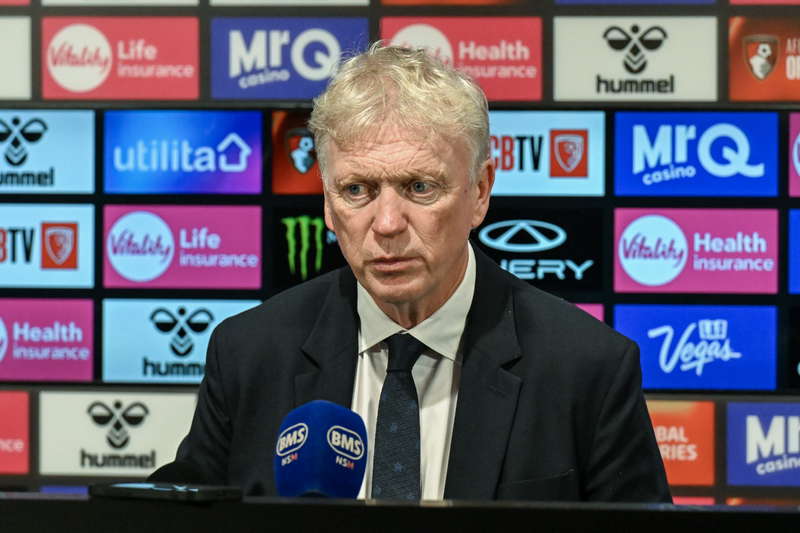
David Moyes had already voiced that frustration. Speaking to bbc.co.uk, he said: "You get the feeling now that referees really don't want to get involved in any of it. It's really poor that they've not tried to deal with it."
Moyes' own Everton side finished last season on a five-match league run of three defeats and two draws, so he has watched plenty of games decided by fine margins. In a league where set-pieces carry more weight than they used to, managers were always likely to push this issue harder.
Contact still stays in the game
The important check on all of this is Webb's second message. "Contact is still part of the game, we still maintain the high threshold."
So this is not a blanket ban on physicality at corners, and it is not the World Cup standard where goalkeeper contact was judged far more tightly. The league is trying to cut out clear fouls, not sanitise one of the most combative parts of a match.
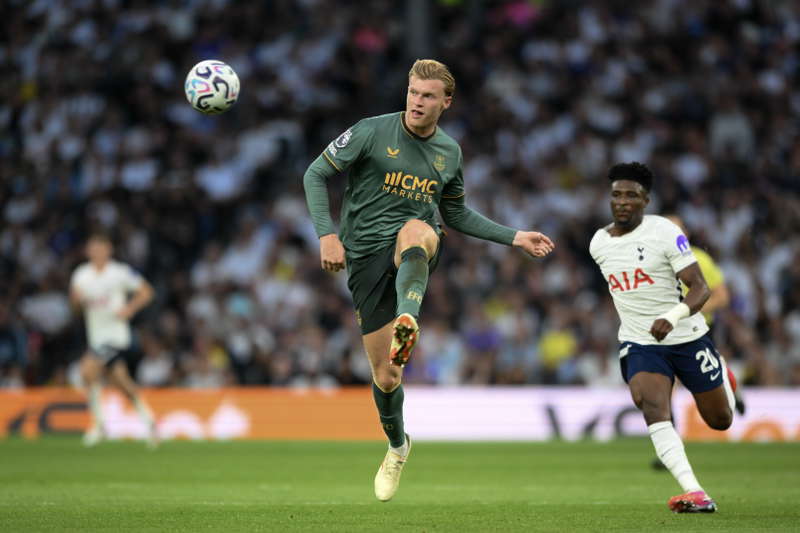
That leaves referees with the usual grey area, and clubs have already been shown examples that sit on either side of the line. Brentford's Keane Lewis-Potter wrestling West Ham's Tomas Soucek at the far post off the ball was used as one case. Another was Sunderland's Luke O'Nien dragging down Leeds United's Pascal Struijk with an arm around the neck.
There was also an example where Webb thought VAR had gone too far. Crystal Palace's Marc Guehi was pulled down by Bournemouth's Bafode Diakite and the referee gave a penalty, but Webb said it should not have become a VAR intervention.
That distinction matters to how this will work in practice. The league wants more confidence from on-field officials and cleaner punishment for obvious offences, but it is still trying to preserve a high bar for contact rather than whistle every tussle.
Why the league is acting now
Set-pieces were already shaping matches before this summer's review. The Premier League saw 269 goals from set-pieces last season, accounting for 25.7% of all goals, a record high across Europe's top leagues.
That gives the crackdown a football reason beyond refereeing theory. Corners and indirect free-kicks are no longer a side plot for a few specialist teams. They are central to how points are won, whether a club is chasing the title or trying to stay up.
Webb also said officials are being given team-specific pre-match guidance so they know what patterns and movements they are likely to see. The Premier League's tougher line will be judged quickly, because the first weeks of the season will show whether players change their behaviour or whether the penalties arrive first.
FAQ
What are the new Premier League set-piece rules for corners?
The laws of the game have not changed, but Premier League referees are being told to be stronger, stricter and more willing to punish clear non-footballing actions at corners. Howard Webb said officials should give fewer warnings and penalise more when they see obvious holding or grappling with a clear material impact.
Will Premier League referees now give more penalties for holding at corners?
That is the aim where the holding is clear and affects the play. Webb said officials are being pushed to act with more confidence, and the league will pay more attention to holding actions that have a clear material impact. He also said contact remains part of the game, so this is not a penalty for every touch.
Why is the Premier League focusing on corner fouls now?
The push follows missed decisions last season and the growing value of set-pieces. There were 20 missed VAR interventions, and a quarter were penalties not awarded when a player had been wrestled to the ground off the ball. The league also saw 269 goals from set-pieces last season, 25.7% of all goals.
Written by Jack Mercer with AI-assisted research, cross-checked against 1 outlet. How we work →