

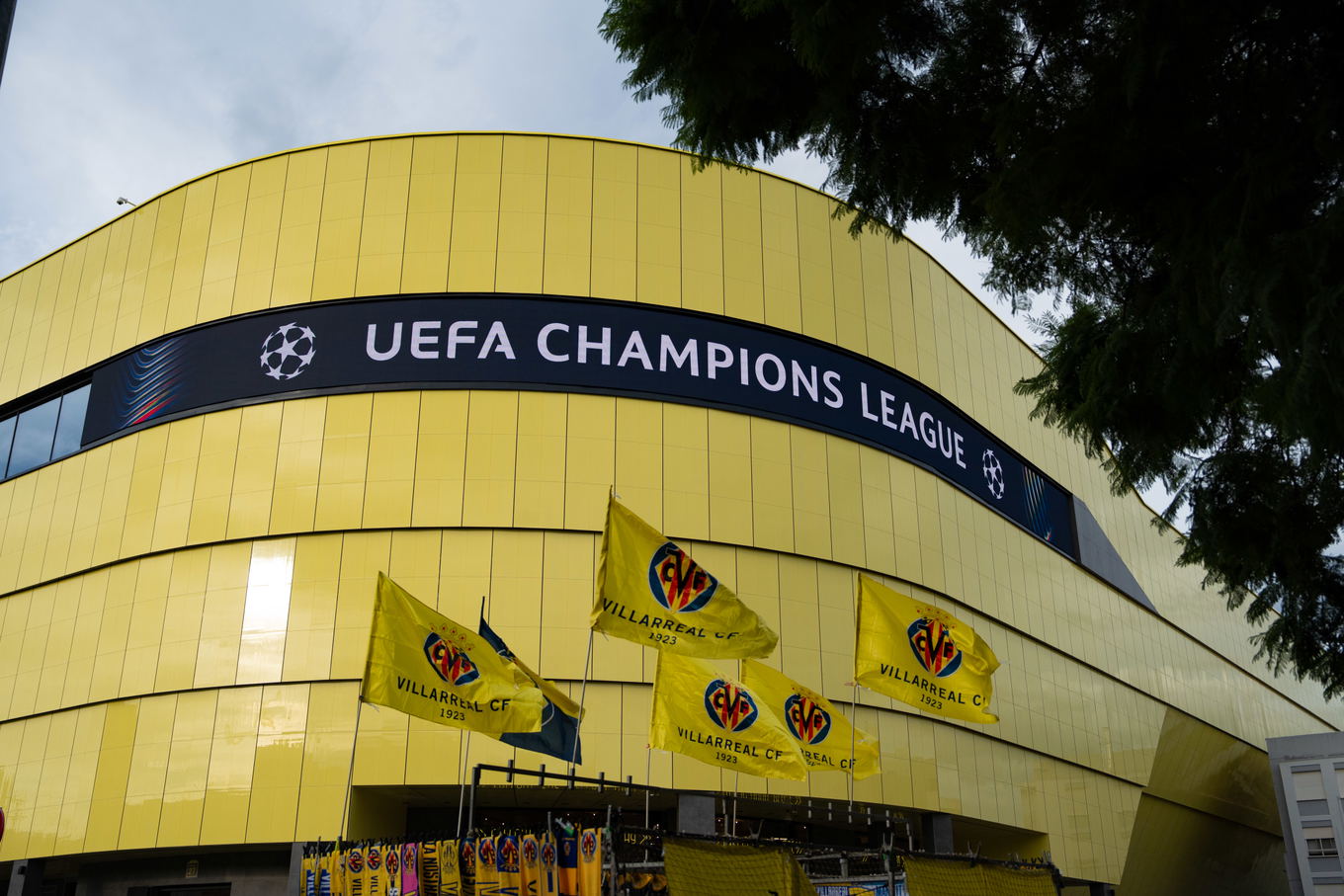
Paris Saint Germain reached 4-0 in 16 minutes and 2 seconds against Villarreal, the fastest any side has ever got there in a Champions League match. By the broader telling, it was four goals in 17 minutes at La Cerámica, and that version is fair enough in normal match-report language. The harder number is even more brutal: PSG had the game effectively done before the clock hit 17.
The record start that killed the match
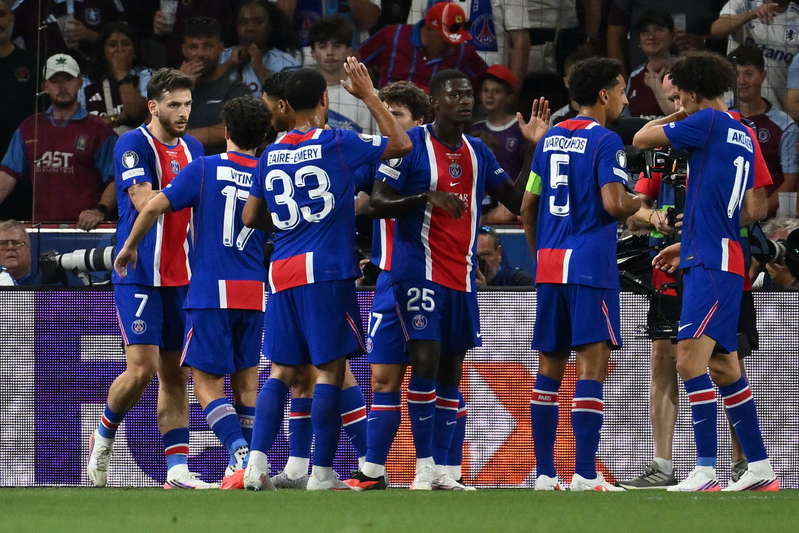
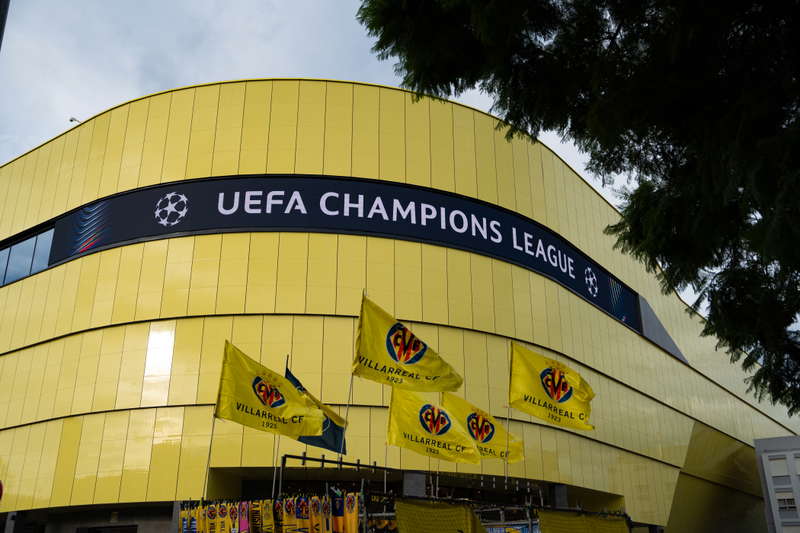
PSG were leading 4-0 after 17 minutes at La Cerámica, and the sequence was relentless. João Neves struck first in the 9th minute, Désiré Doué added the second in the 12th, Senny Mayulu made it three in the 13th, and Fabián Ruiz completed the four-goal burst in the 17th.
That made PSG the fastest team to score four goals in a Champions League match, moving past Real Madrid's previous mark from 2011. The exact timing to reach 4-0 was 16:02, which is the figure that settles the record. Reports describing it as a 17-minute blitz are capturing the same opening punch, just in less precise terms.
What stood out was how little time Villarreal had to breathe between setbacks. Neves opened it, Doué scored three minutes later, Mayulu followed a minute after that, and Ruiz applied the finish to the opening storm. A 6-0 win always looks severe on paper, but this one had already tipped into damage limitation long before halftime.
Neves and Ruiz drove it, but the press made it possible
Neves and Ruiz were at the centre of it. Neves set the tone with the first goal and Ruiz ended the record spell with the fourth before going on to score twice in the match.
Luis Enrique, quoted in Spanish by Relevo, said: "The PSG of Luis Enrique got the match at La Cerámica on track with four goals in 17 minutes, built on high pressure. Fabián Ruiz scored a brace."
That lines up with the shape of the game. PSG had 75% possession at halftime, and Villarreal's first shot on target did not arrive until 45+2. When a side is that deep into the contest before producing a real effort on goal, the issue is not just finishing quality from the opponent. It is control, pressure and repeated ball recovery.
SPORT1 carried a translated line from L'Équipe that captured the mood inside the first quarter of the game: "Every attack by PSG puts the Villarreal players into panic. The pressure in the danger zone is unbearable for Villarreal. Paris has broken the record for the fastest 4:0 and is already in the exhibition phase after 17 minutes."
That may read dramatic, but the match details support it. Villarreal were not gradually worn down. They were swamped almost immediately, and once PSG had that margin, the rest of the night became about maintaining order rather than chasing the game.
The number that will follow PSG from here
The final score matters, but the opening 16:02 is the part that will last. Champions League results can get loose late on, especially once a favourite is in total control. Reaching 4-0 that quickly is different because it speaks to how violently PSG took the match away.
The same game will be logged as Villarreal vs Paris Saint Germain, 6-0 to PSG. The detail most people will remember is that by the 17th minute, the record had already gone.
FAQ
Why are some reports calling PSG's start 17 minutes when the record time is 16:02?
Both descriptions come from the same opening spell. PSG reached 4-0 in 16 minutes and 2 seconds, which is the exact record timing, while several outlets described the burst more broadly as four goals in 17 minutes.
How did PSG set a Champions League record against Villarreal?
PSG were 4-0 up at La Cerámica after goals from João Neves in the 9th minute, Désiré Doué in the 12th, Senny Mayulu in the 13th and Fabián Ruiz in the 17th. The exact time to reach 4-0 was 16:02, the fastest in Champions League history.
Was PSG's win over Villarreal mainly about one player or the whole team?
The stronger reading is that it was collective. João Neves and Fabián Ruiz stood out, and Ruiz scored twice, but the shape of the game was built on PSG's high press and control. Villarreal did not manage a shot on target until 45+2.
Written by Sam Whitfield with AI-assisted research, cross-checked against 6 outlets. How we work →