

RedBird capital have held talks regarding a potential purchase of a majority stake in Saudi Pro League club Al-Nassr. The reported move is being framed as a valuation play as much as a football one, with RedBird said to be prepared to invest around €238m ($267m) for 70% of the club, giving Al-Nassr a total valuation of €340m ($381m).
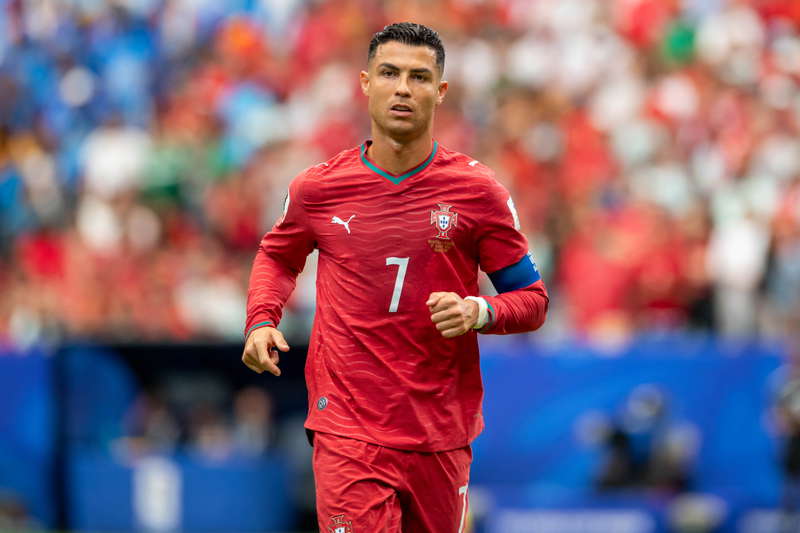
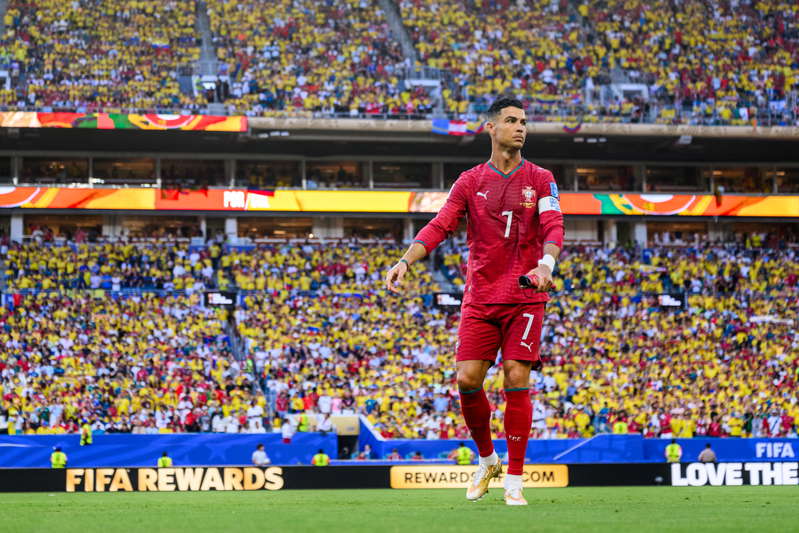
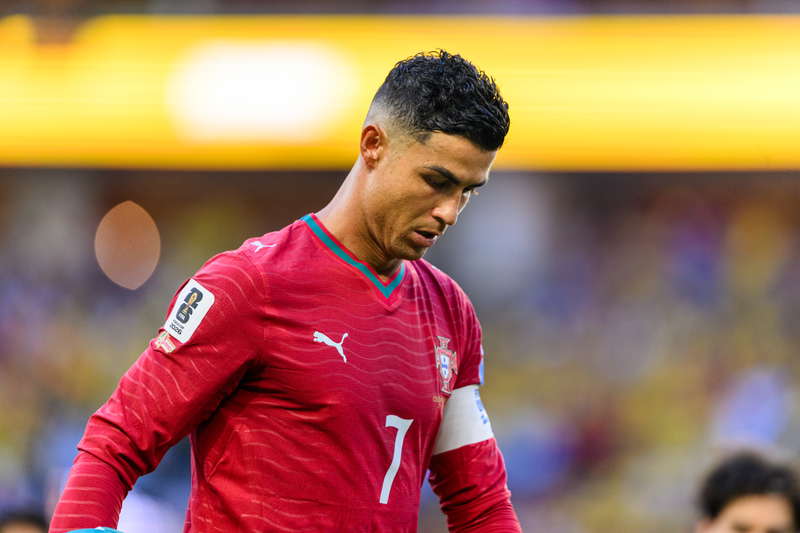
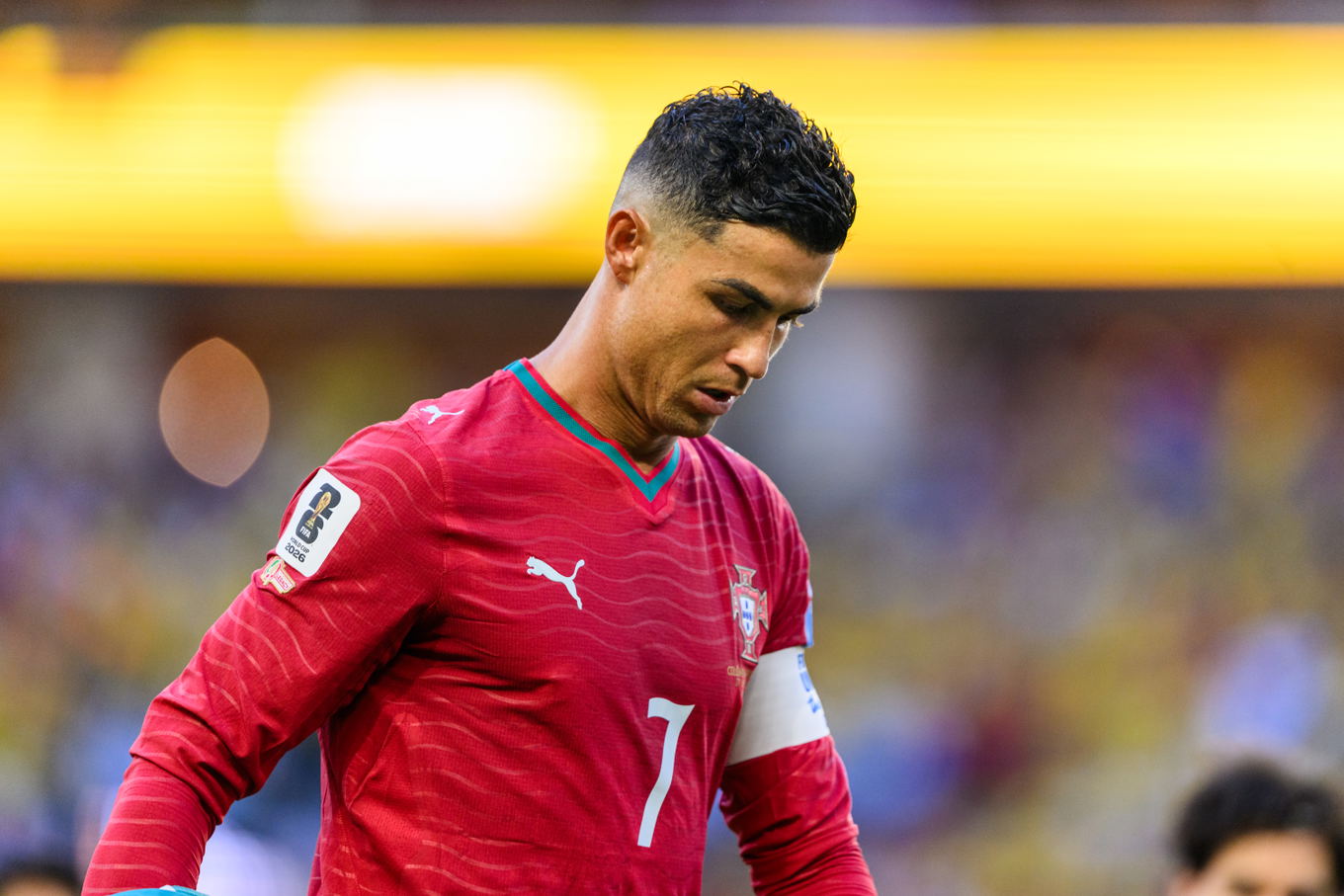
Cristiano Ronaldo is part of the story too, because the Portugal captain could also take a 20% stake in the club he currently plays for. That possibility matters because it ties the deal to the player most closely associated with Al-Nassr's rise in profile.
The deal as a valuation bet
The numbers are what make this stand out. Al-Nassr would be trading at around 2.3x revenue, which is not the sort of multiple that suggests a fully mature market. It points instead to a club and league that are still being priced while the ecosystem around them grows.
That is where the timing comes in. The Saudi state has built the stage, but the cost of running the clubs may be shifting to private owners. The Saudi Public Investment Fund owns 100% of the shares in Al-Nassr, yet the reported interest from RedBird suggests outside investors think there is still room to buy in before prices settle higher.
Ronaldo's role in the ownership talk
Ronaldo's position makes this different from a normal club sale. He has made 5 appearances in his 2026 World Cup sample, scored 3 goals and logged 453 minutes, so the commercial pull is still obvious even as ownership chatter grows around him.
The move is still at a preliminary stage, though, and that matters more than any headline figure. Sources differ on how far along the process is, with one reading it as exploratory talk and another treating the reported €267m bid as a serious valuation-led approach. What is clear is that RedBird are moving while Saudi football still feels early in its private-capital phase, not after it.
Al-Nassr is the club in focus, Ronaldo is still on the pitch, and the reported talks are about a 70% stake, not a completed sale.
Written by Sam Whitfield with AI-assisted research, cross-checked against 3 outlets. How we work →