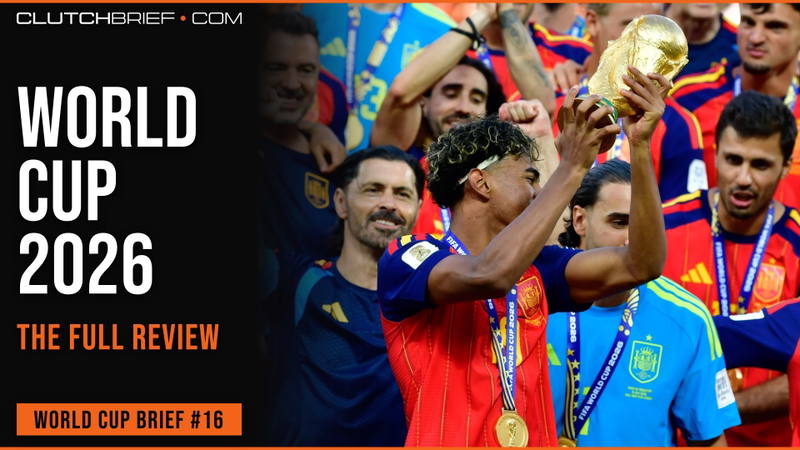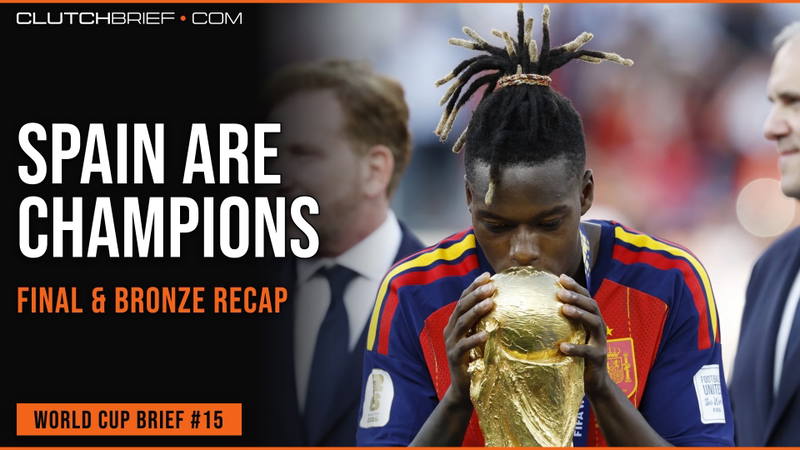
Earlier this week we reported how Spain dominated possession heading into the World Cup final. When Ferran Torres scored in extra time to secure a 1-0 victory over Argentina, the completeness of Spain's tournament performance became evident: Rodri won the Golden Ball after completing 811 passes—a tournament record—while Pau Cubarsí and Unai Simón claimed the Young Player and Golden Glove awards respectively. The sweep of the tournament's three most prestigious individual honors capped an overwhelming campaign defined by control, suffocation, and record-breaking defensive consistency.
The scoreline conceals Spain's actual dominance. According to independent.co.uk, "The true nature of the performance was not reflected in the scoreline as Spain dominated their opponents." A 1-0 margin flattens what was an overwhelming display of control. sportsmole.co.uk added: "La Roja were undeniably deserved winners, considering that the Albiceleste approached the match negatively from the outset, although Luis de la Fuente's men also deserve much credit for stifling the dethroned world champions out of possession."
Rodri's 811 passes and the Golden Ball
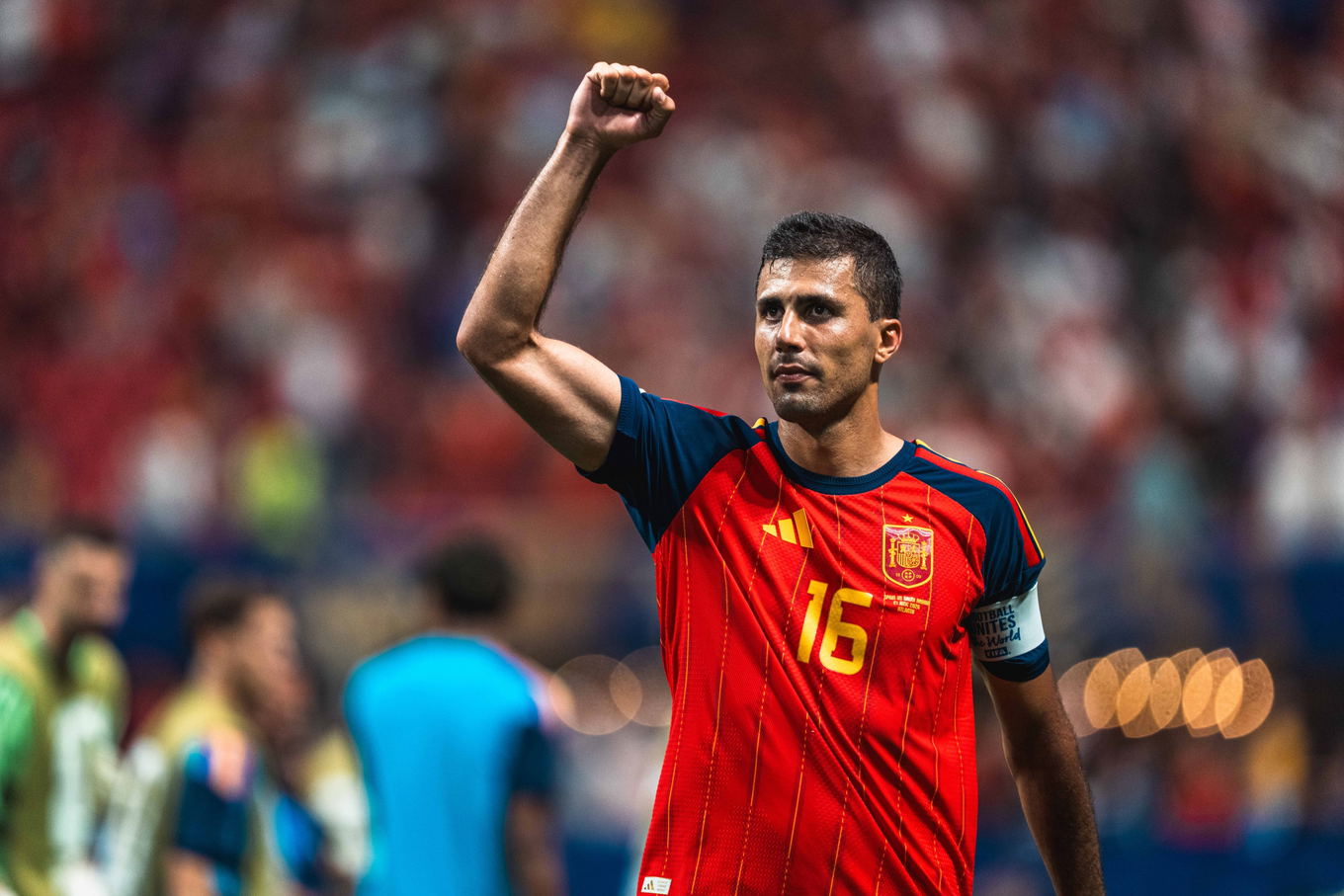
The statistic that anchors Spain's tournament is Rodri's 811 completed passes—more than any player in World Cup history. Throughout the campaign, he sat at the center of every possession sequence, determining tempo and how Spain progressed through midfield. This was not mere volume. He led the tournament for line-breaking passes and passes into the final third, establishing a midfield control that suffocated opponents.
In the final itself, his role remained consistent: controlling tempo and building the platform for Spain's attacks. He also won 49 duels across the tournament, combining passing mastery with physical presence in the center of the pitch. A midfielder who could orchestrate and defend provided Spain with the foundation for dominance at every stage.
Rodri's journey to the Golden Ball makes his award more significant. Seven months prior, a major ACL injury had threatened to derail his season entirely. His return to this level—leading a World Cup campaign and winning its top individual honor—represents a complete redemption arc on football's biggest stage.
Spain's record defense
Unai Simón conceded just one goal across the entire tournament. Spain kept seven clean sheets—a World Cup record. Those facts describe a defensive campaign that approached perfection.
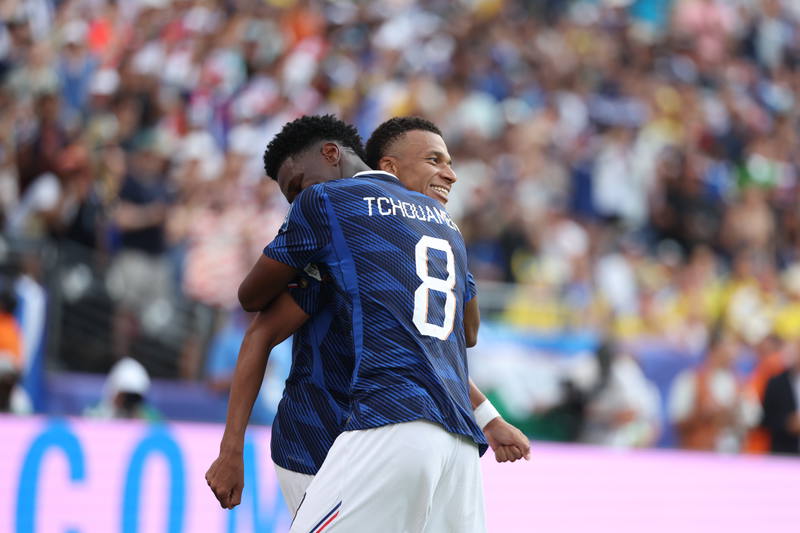
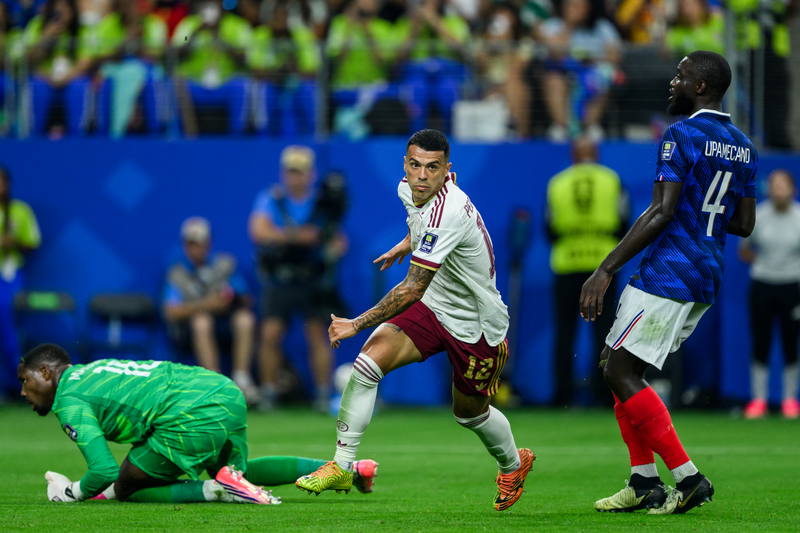
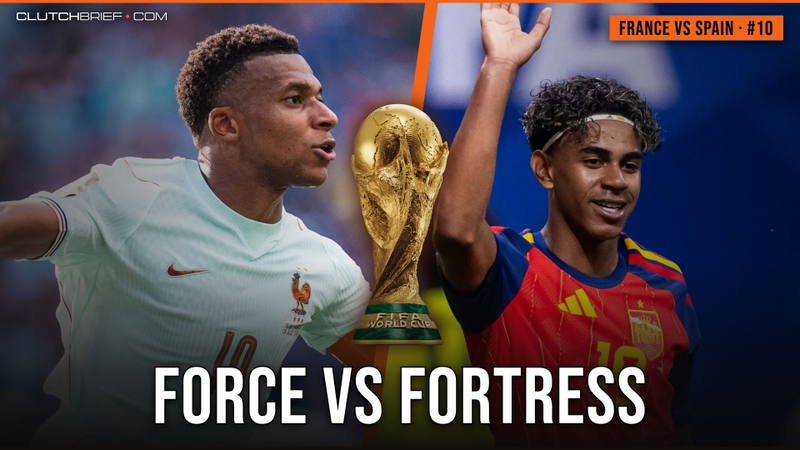
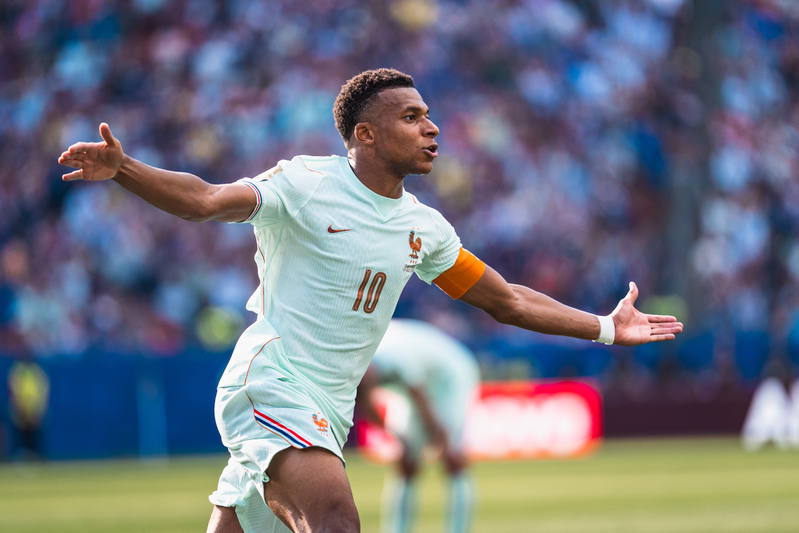
The semi-final against France exemplified this. Spain held Kylian Mbappé and the tournament favorites to just 0.31 expected goals, a performance so thorough it bordered on suffocating. Mbappé still finished with 10 goals across his eight tournament matches—the leading tally—but even his individual brilliance could not penetrate a Spanish defense that had been engineered for exactly this scenario.
At center-back, Pau Cubarsí played every minute of Spain's eight matches. The 19-year-old Barcelona defender started all eight games and played the full 90+ minutes in the final itself. His undroppable status at the tournament's largest stage earned him the Young Player of the Tournament award. Few teenage center-backs receive such trust on this platform, and fewer still deliver this consistently. His defensive partnership created a wall that England, France, and finally Argentina all found impenetrable.
The dominance that a 1-0 scoreline obscures
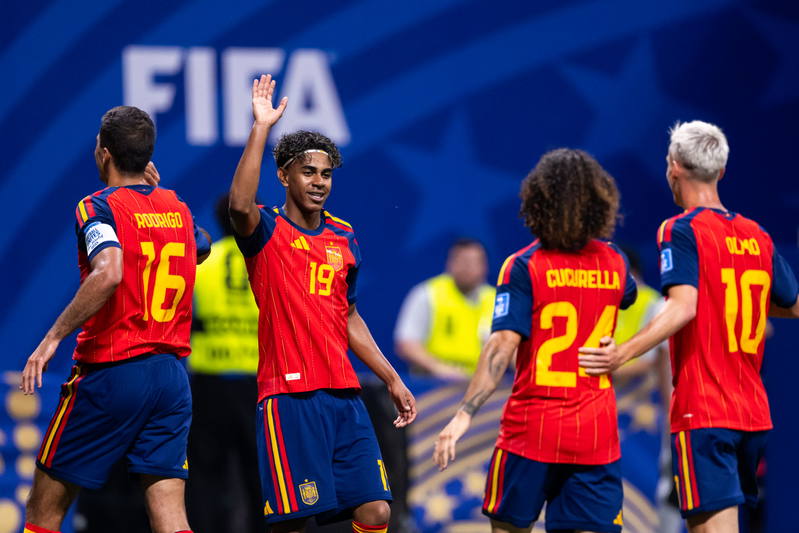
The final scoreline will look narrow on a scoresheet, but the match itself was decidedly one-sided. Spain's three individual award winners—Golden Ball, Young Player, Golden Glove—represent dominance across every tier of the pitch. From Rodri's midfield orchestration to Cubarsí's defensive assurance to Simón's security in goal, Spain operated without a genuine challenge.
Argentina offered little resistance. The defending champions approached the match negatively from the start, a tactical choice that left them isolated without momentum. By the time Ferran Torres scored in extra time to seal the victory, the outcome had long been decided.
Spain's World Cup was less a final than a coronation. Overwhelming in its control, convincing in its superiority, it was secured without ever requiring a spectacular moment—a tournament-winning campaign defined instead by consistency, suffocation, and the kind of control that makes championships almost inevitable from the outset.
FAQ
Why did Spain win the World Cup 2026 despite a narrow 1-0 scoreline?
Spain dominated possession and control throughout the final and entire tournament. Rodri completed 811 passes—a World Cup record—orchestrating overwhelming possession. Spain kept seven clean sheets, conceding just one goal total, and limited France to 0.31 expected goals in the semi-final, demonstrating the suffocating nature of their defense.
What was Rodri's role in Spain's World Cup 2026 championship?
Rodri completed 811 passes, the most by any player in World Cup history, controlling tempo from midfield. He won 49 duels across the tournament and led the tournament for line-breaking passes and passes into the final third. Seven months after a major ACL injury, he won the Golden Ball as Player of the Tournament.
Did Pau Cubarsí play every match for Spain at World Cup 2026?
Yes. The 19-year-old Barcelona defender played all eight of Spain's matches, including the full 90+ minutes of the final. He helped keep seven clean sheets and won the Young Player of the Tournament award, an exceptional achievement for a teenage center-back on this stage.
What was Spain's defensive record at World Cup 2026?
Spain kept seven clean sheets, a World Cup record, while conceding just one goal across the entire tournament. Unai Simón earned the Golden Glove with this near-perfect record. Spain also limited France to 0.31 expected goals in the semi-final, illustrating the complete defensive dominance.
Written by Daniel Hartley with AI-assisted research, cross-checked against 2 outlets. How we work →