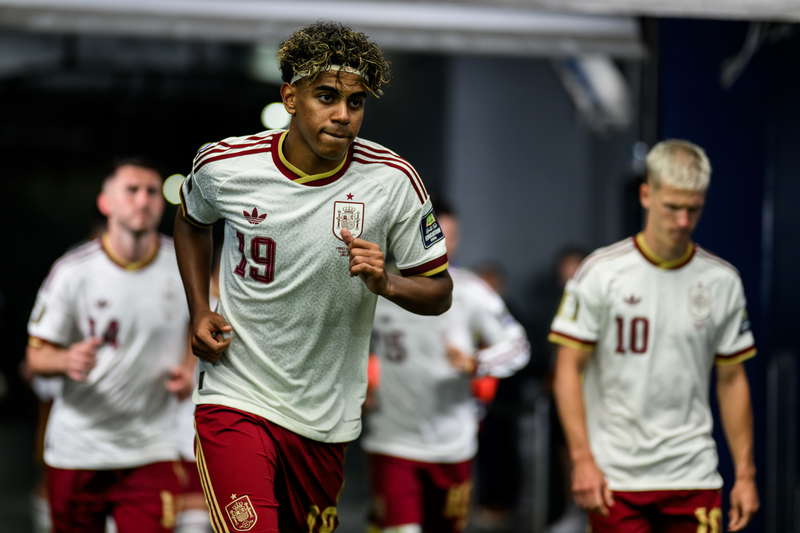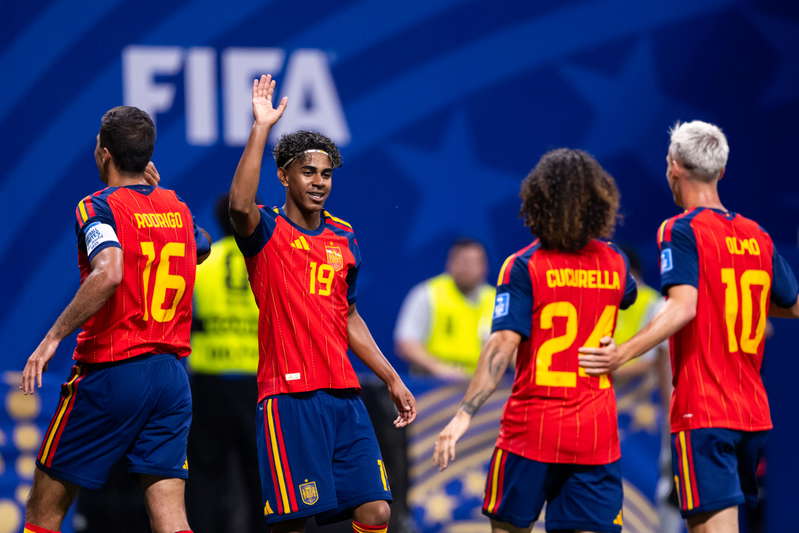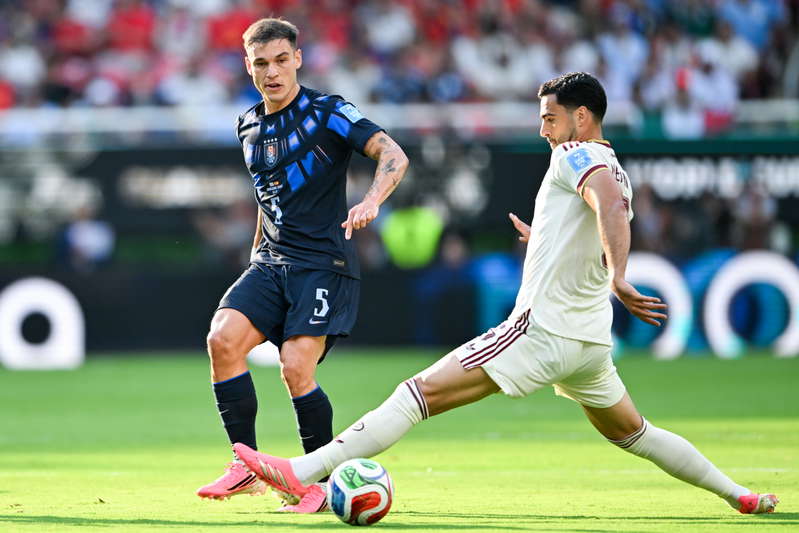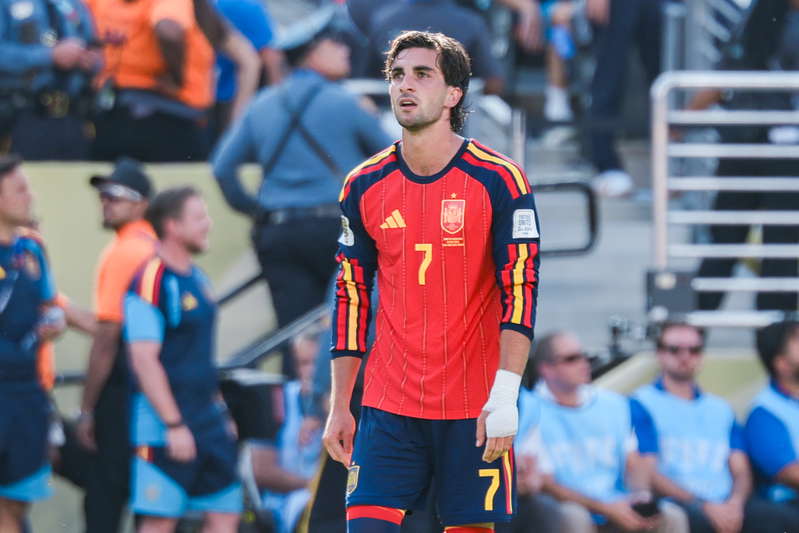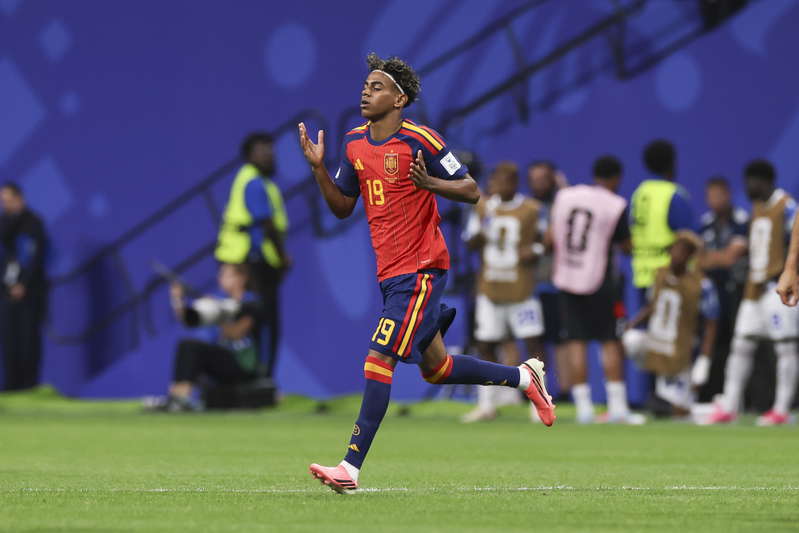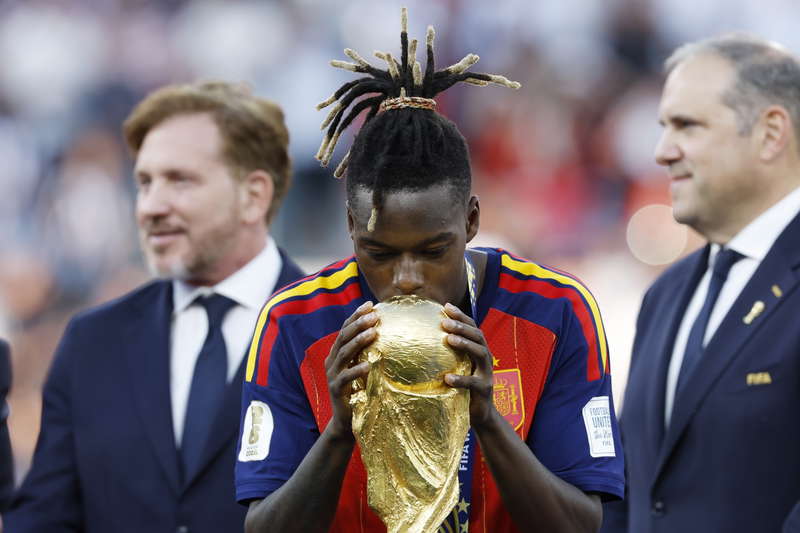


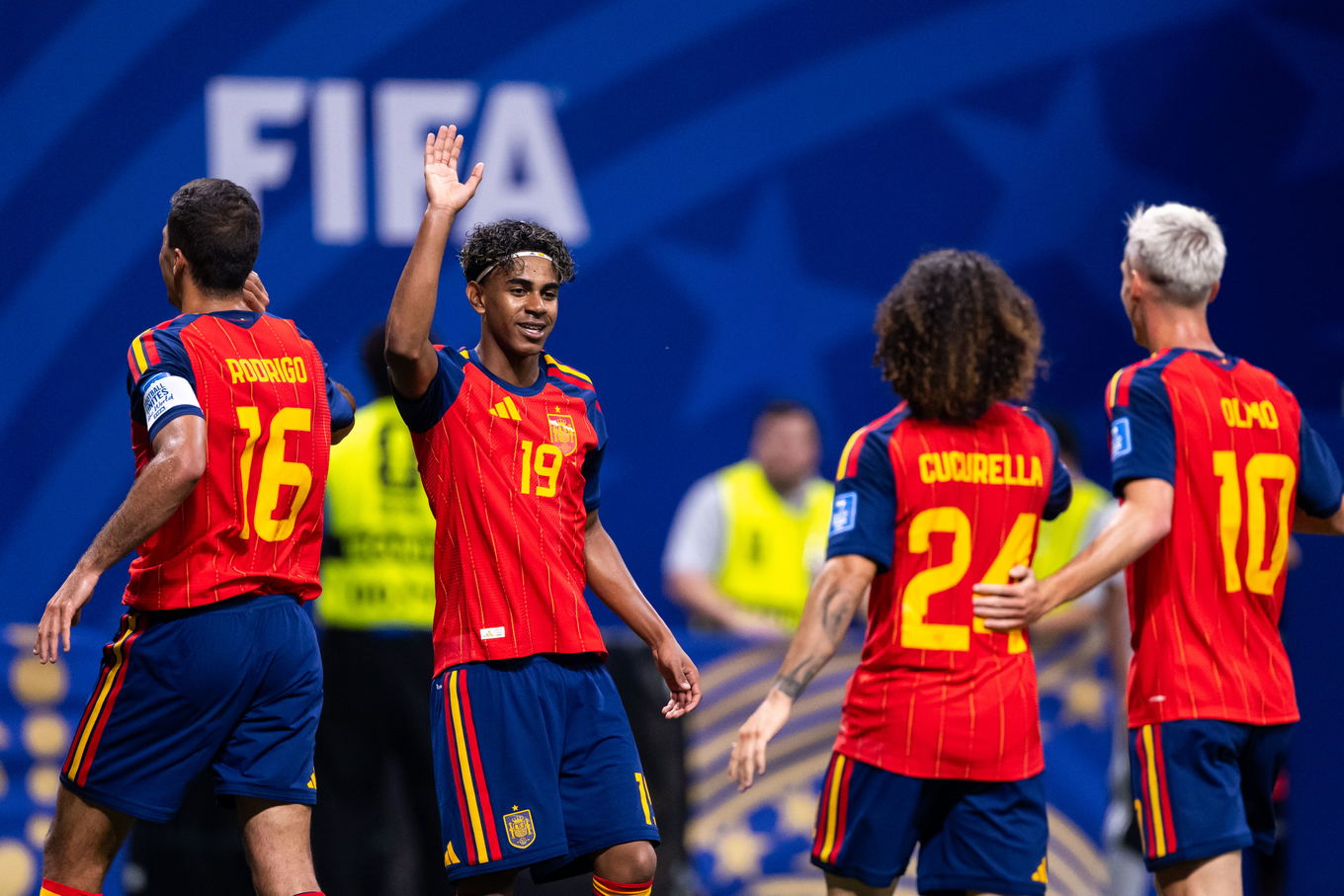
Spain go into their quarter-final as the first team in World Cup history to keep six consecutive clean sheets. Unai Simón has not conceded in 609 minutes at the tournament - a World Cup record that breaks Walter Zenga's 1990 mark of 517 minutes. Manager Luis de la Fuente has built this defence on collective responsibility, not individual brilliance, and it is reshaping how Spain pursue a second World Cup title.
The system that stops everything
Spain defend as a unit. Every player tracks back, every midfielder covers space, every attacker presses without recklessness. In their 1-0 win over Portugal on 6 July, Simón made few interventions because the shape ahead of him was so disciplined that Portugal rarely found a shooting angle.
This is not tiki-taka. This is collective solidity.
Guillem Balague explained the method: "Spain defended in numbers and collectively, they tracked back a lot. They individually sorted out problems. So we haven't needed a miracle save from Simon."
Luis de la Fuente described the philosophy: "There is solidarity, effort, sacrifice and everybody runs for one another. What is beautiful is the attitude these footballers show, they are committed to the cause."
The full run of defensive continuity stretches further than the 609 minutes at this World Cup. Spain have gone 10 hours and 9 minutes without conceding, a streak that reaches back to their 2022 last-16 match against Morocco. It is a defensive record that spans tournaments.
The midfield engine and the centre-back pairing
Rodri sits at the heart of it. The 2024 Ballon d'Or winner averaged a 7.58 rating across five World Cup matches, with two performances rated 8.2 and 8.3. Guillem Balague called him "the lighthouse of the team" and noted he is "reaching his best version." Rodri does not just control space; he manages the rhythm at which Spain move the ball, and that rhythm determines how much space exists for opponents to exploit.
Pedri maintains that control in tandem. The midfielder averaged 7.44 across five matches, pulling the strings while Rodri anchored the system. Together they create a midfield that is both creative and suffocating - they generate chances without leaving gaps.
In front of them, Aymeric Laporte and Pau Cubarsi form a centre-back partnership built for the system's demands. Balague noted: "The partnership between Laporte and Cubarsi is perfect for the way Spain plays - moving the ball around, driving with it, and defending with a lot of space in behind." That paradox - defending with space behind - works because Rodri and Pedri manage that space before it becomes dangerous.
Attacking talent exists but remains secondary
Spain have scoring options. Mikel Oyarzabal arrived at the tournament with 17 goals in his past 17 La Roja starts across all competitions - a remarkable record. At this World Cup, he has 4 goals and 1 assist in five matches, a solid contribution but not the output that defines the tournament run. Lamine Yamal, the 18-year-old who returned to full fitness during the competition, has 1 goal across five appearances.
But Spain's World Cup story is not written by their forwards. It is written by their refusal to be breached. In their Portugal vs Spain last-16 encounter, they created clear chances to win comfortably and shut out every Portuguese attack. It was 1-0 not because Spain lacked offensive talent, but because the defensive shape was so organised that one opportunity was sufficient.
Spain enter the quarter-finals as the only team in World Cup history with six consecutive clean sheets. Their next opponents will have one clear mission: break that record. Whether Spain can extend it further will define the rest of their tournament.
FAQ
How many consecutive clean sheets has Spain kept at World Cup 2026?
Spain kept six consecutive clean sheets, a World Cup first. Goalkeeper Unai Simon set a record 609-minute streak without conceding, surpassing Walter Zenga's 1990 mark of 517 minutes. The extended streak reaches back to their 2022 last-16 match against Morocco.
Why is Spain's defensive system so effective at this World Cup?
Spain defend collectively rather than individually. Midfielder Rodri controls play throughout the pitch to limit opposition chances, while the centre-back partnership manages space effectively. Manager Luis de la Fuente emphasizes 'solidarity, effort, and sacrifice' across all 11 players.
How does Rodri contribute to Spain's defensive success?
Rodri acts as the midfield's guiding force, controlling the ball's movement and rhythm to prevent opposition attacks. His 7.58 rating across five World Cup matches reflects consistent form. By managing play in midfield, Rodri allows his centre-backs to defend with space behind them, preventing crises that would force desperate goalkeeper saves.
Can Spain extend their clean-sheet record through the knockout stage?
Spain have built a historic defensive foundation over six consecutive matches. Whether that record extends through the quarter-finals depends on how fresh opponents test their collective system under higher intensity and with less time on the ball.
Written by Daniel Hartley with AI-assisted research, cross-checked against 1 outlet. How we work →