

"A lot of people are walking around cities and towns in the UK and Europe wearing that flamingo pink of Inter Miami with zero affiliation to Miami, having never been there. It's quite a normal thing now. But it is the player who has done the job," says James Kirkham, a sports brand strategist.
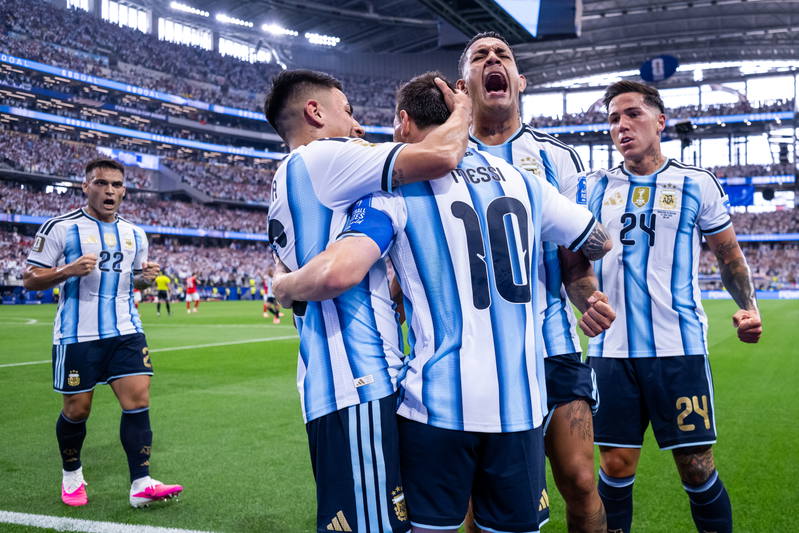
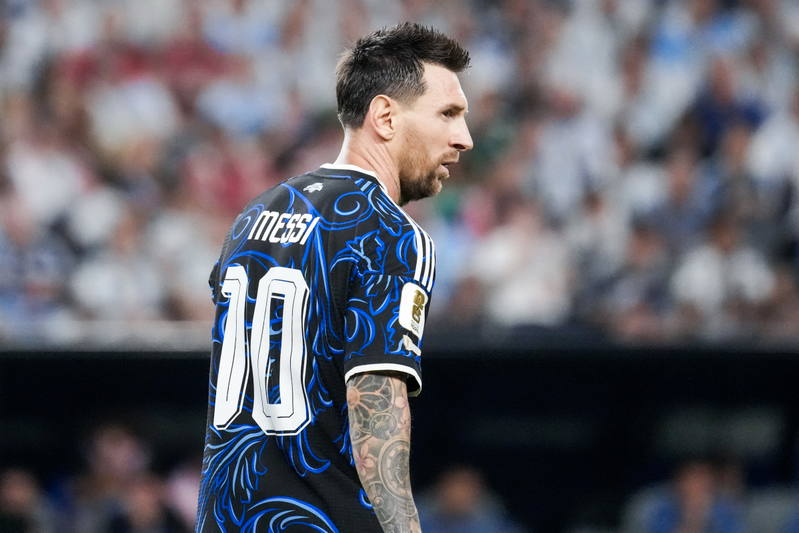
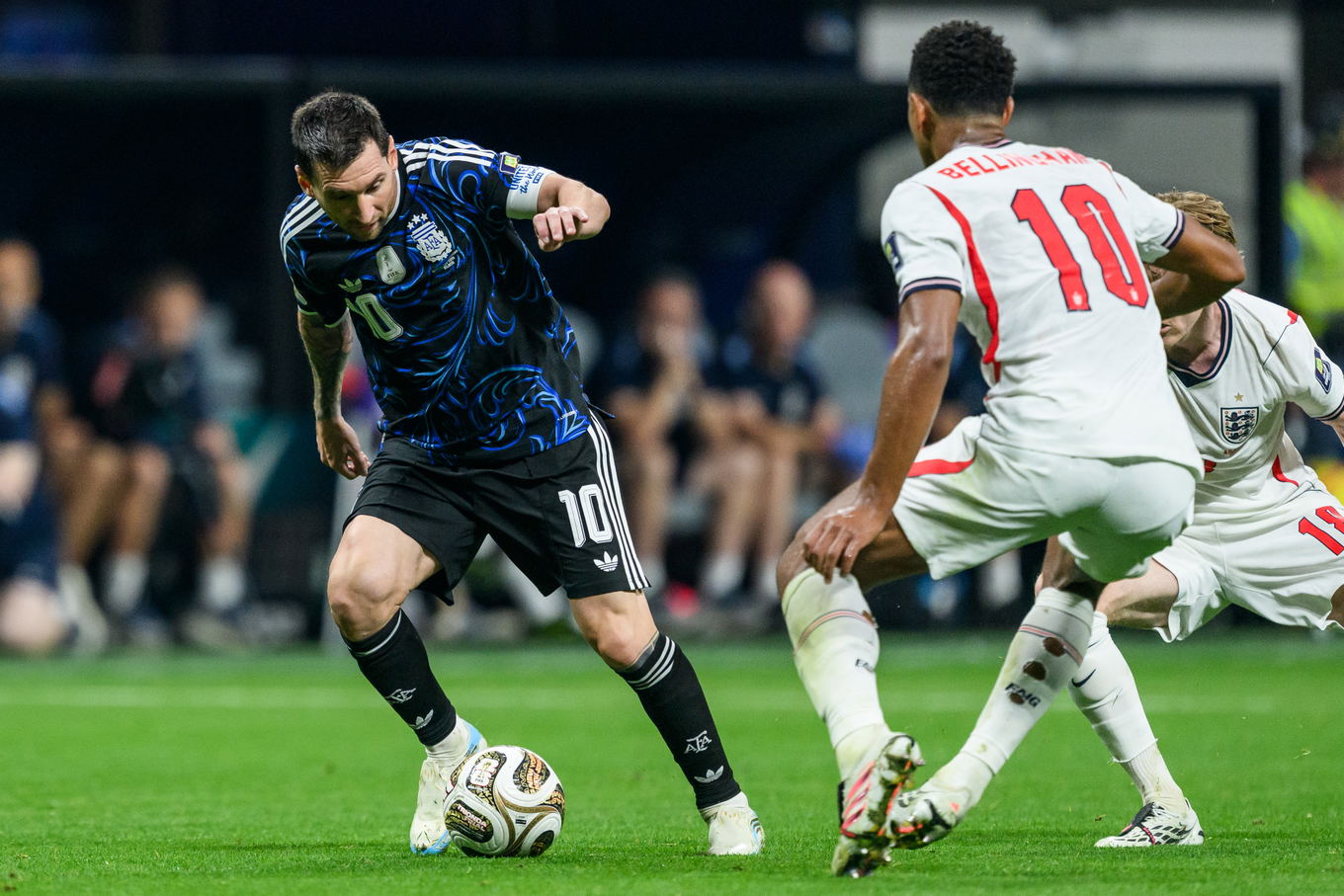
Lionel Messi's arrival at Inter Miami proved the point. His shirt sold out instantly. Match tickets commanded premium prices. But most people wearing that flamingo pink have never been to Florida. They're not Miami supporters - they're Messi supporters.
This reflects a structural shift in football fandom. According to the "Rise of the Second Club Fan" study by Engage and MTM, 80% of global supporters now follow a second team. Most choose based on a player, not geography or badge.
Players who control their own narratives
The turning point often cited is summer 2018, when Griezmann released a half-hour documentary called "The Decision," filmed with two different endings kept secret until a live Spanish TV reveal. The concept was borrowed from LeBron James' televised 2010 announcement. Gerard Pique's production company produced the film - evidence that elite players now command enough authority to greenlight documentaries about themselves.
That marked a shift. Today, Haaland and Bellingham run their own YouTube channels. Messi posts directly to his followers. The infrastructure of control belongs to the player.
Matthew Kyle, head of insights at Engage and MTM, noted: "Players are becoming their own distribution levers, with some in particular taking a driving seat in terms of 'how I project myself onto the world' and building their own channels and audience."
Messi's 8.77 World Cup rating across 8 appearances (8 goals, 4 assists) reflects the output that justifies his independent global fandom. Haaland's 7.94 rating across 5 appearances (7 goals, 0 assists) built similar elite production. Bellingham's 7.77 rating across 8 World Cup appearances (7 goals, 1 assist) at a young age shows this is not a Messi anomaly. Even Cristiano Ronaldo, whose 6.9 World Cup rating across 5 appearances (3 goals, 0 assists) represents a shift from his peak, remained culturally dominant - proof that star power transcends any single tournament's performance.
The second-team revolution
80% of global supporters now follow a second team. James Kirkham, the brand strategist, explained the blurring between virtual and real fandom: "Fans play as these players in games. So there is a really thin line between virtual and real life. Following a player and buying them as part of your Ultimate Team and then wearing that player's name on the back of your shirt, be that Atletico Madrid or Chelsea or Dortmund, kind of makes no difference."
Gaming collapses the boundary between playing as a star and supporting them. EA Sports FC and Football Manager create a generation that builds Ultimate Teams around elite players before picking a club to support in real life.
Modern players also wield influence far beyond football. Marcus Rashford changed actual legislation during the Covid pandemic, exemplifying how elite players shape culture and policy. Young fans gravitate toward players who stand for something - values alignment, activism, a sense of purpose beyond goals and assists.
As Matthew Kyle put it: "They are often looking for 'who else can I support?' It's more natural."
Individual star power has reshaped the sport. Clubs remain the venue, but players are the draw. That flamingo pink shirt on the streets of London isn't a fashion statement about Miami - it's a declaration about choosing the player first and the club second.
FAQ
Are young football fans following players instead of clubs?
Increasingly, yes. 80% of global supporters follow a second team, and most choose based on the player wearing the shirt. Messi at Inter Miami exemplifies this - fans in London and Barcelona wear the flamingo pink, yet have never been to Florida.
How have gaming and social media changed football fandom?
The boundary between virtual and real fandom has dissolved. Fans play as Messi or Haaland in EA Sports FC and Football Manager before choosing a club to support. YouTube channels and direct player broadcasts mean star power extends far beyond the pitch.
Why does Messi's Inter Miami merchandise sell out globally?
Because fans are buying the player, not the place. Elite players have become autonomous brands that transcend club loyalty. They control their own narratives through social media, YouTube, and personal channels, attracting followers based on values and personality.
When did players start staging their own transfer announcements?
A turning point came in summer 2018 when Antoine Griezmann released a half-hour documentary called 'The Decision' to announce his transfer, borrowing the format from LeBron James' 2010 announcement. Today's elite players have normalized this level of self-commercialization.
Written by Sam Whitfield with AI-assisted research, cross-checked against 3 outlets. How we work →