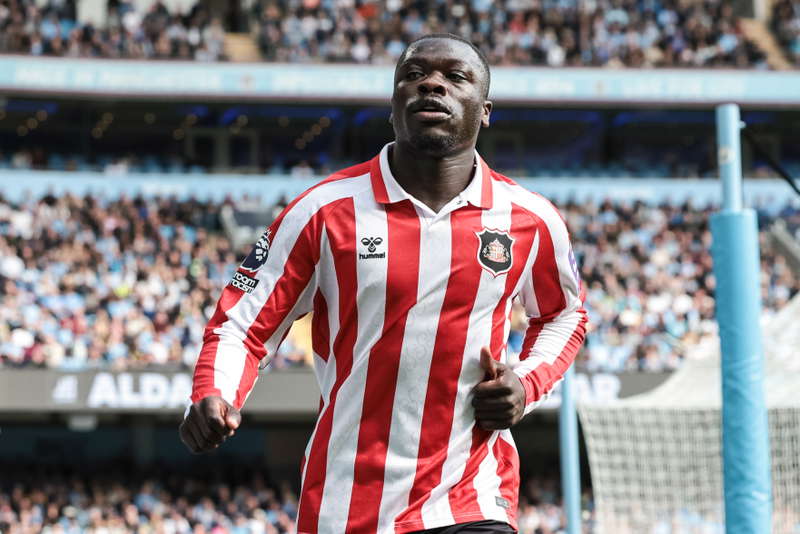


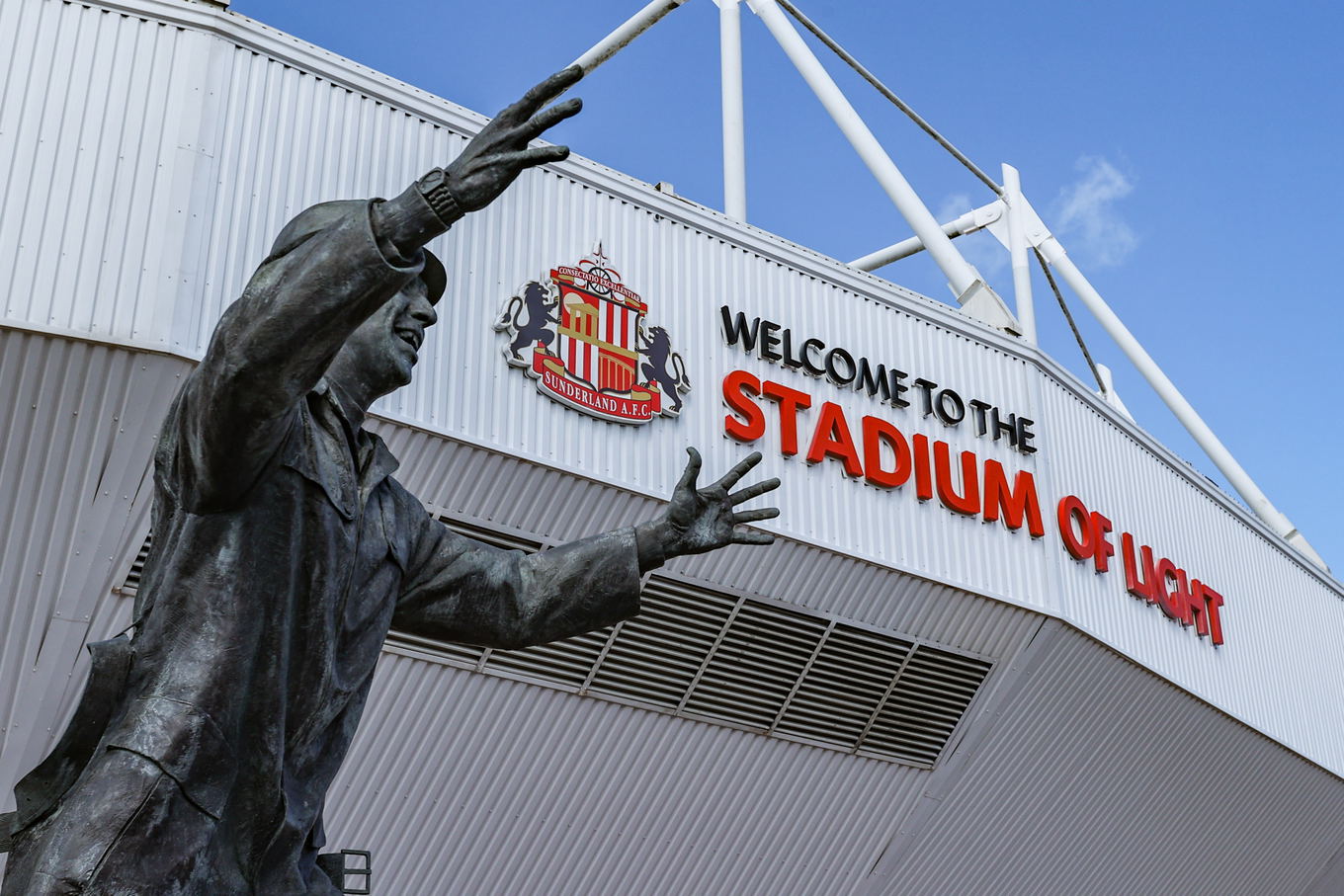
Sunderland finished seventh with 54 points last season, a remarkable return for a club promoted from the Championship through the play-offs in May 2025 after eight years away from the top flight. The question now is not whether they stayed up once. It is whether they can do it again while carrying Europa League football for the first time in 53 years.
The numbers behind the seventh-place finish
The points total and the table finish were real, and so was the reward: Europe for the first time since 1973. But the performance profile was less shiny than the league position. Sunderland's xG numbers suggested overachievement, with the BBC noting that only relegated Burnley and Wolves had a lower xG difference than Regis Le Bris' side last season.
The same report says Sunderland scored three more goals and conceded six fewer than expected by xG over the season. That does not mean last year was a fluke, and it does not mean they are set to fail now. It does suggest that repeating seventh place will demand more than simply matching the same points total in a tougher year.
Europe is the extra layer that makes this difficult. Sunderland will be playing in Europe this season for the first time in 53 years, with at least eight games in the Europa League on top of their usual domestic commitments.
Europe and the second-season problem
Second-season syndrome is a real enough concept in Premier League conversation, but it is not automatic. Of the previous 52 promoted sides that survived in the top flight, only 11 were relegated the following season, a 21% rate. Most promoted clubs that stay up do not crash back down immediately.
The issue for Sunderland is the size of the jump. George Burley's Ipswich finished fifth with 66 points in 2000-01, the best promoted side in the 38-game Premier League era. Hull City then showed how quickly a European run can become a problem, finishing 16th with 37 points in 2013-14, going out in Europa League qualifying and then being relegated the next season with 35 points.
Sunderland are not Hull, and no one should pretend they are. They are also not a side built on completely airtight numbers. A seventh-place finish with a -6 goal difference leaves room for doubt, especially once the fixture list gets heavier.
The final run last season was encouraging, with a strong five-game finish, but the workload is different now. Sunderland have a European campaign, domestic expectations, and a squad that will be asked to handle both at once. That is the real test in 2026-27, and it starts with the first Europa League nights and the Premier League opener that follows.
Written by Jack Mercer with AI-assisted research, cross-checked against 2 outlets. How we work →