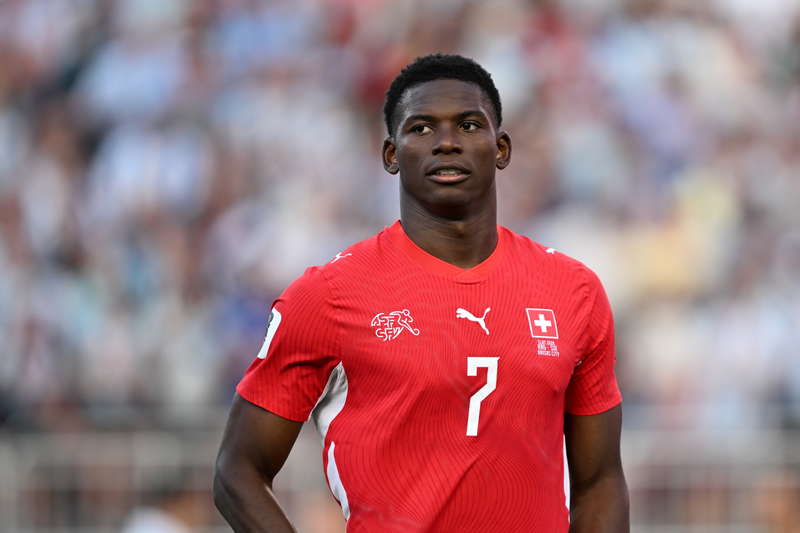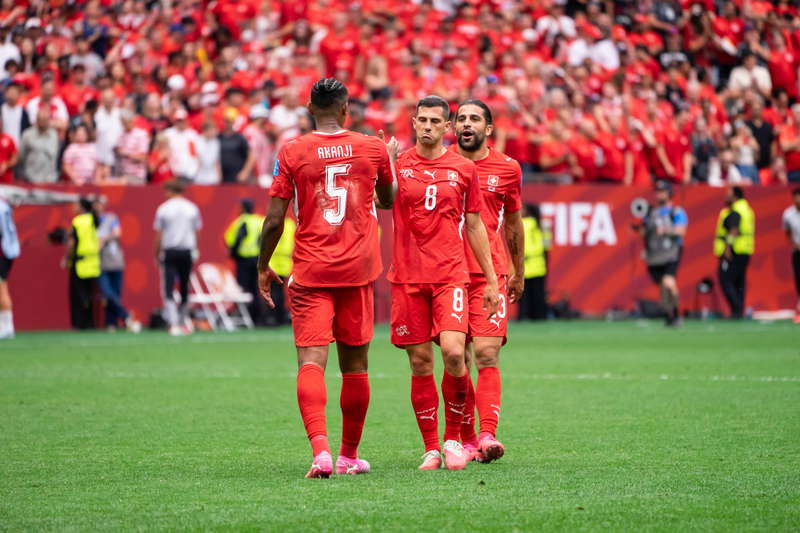


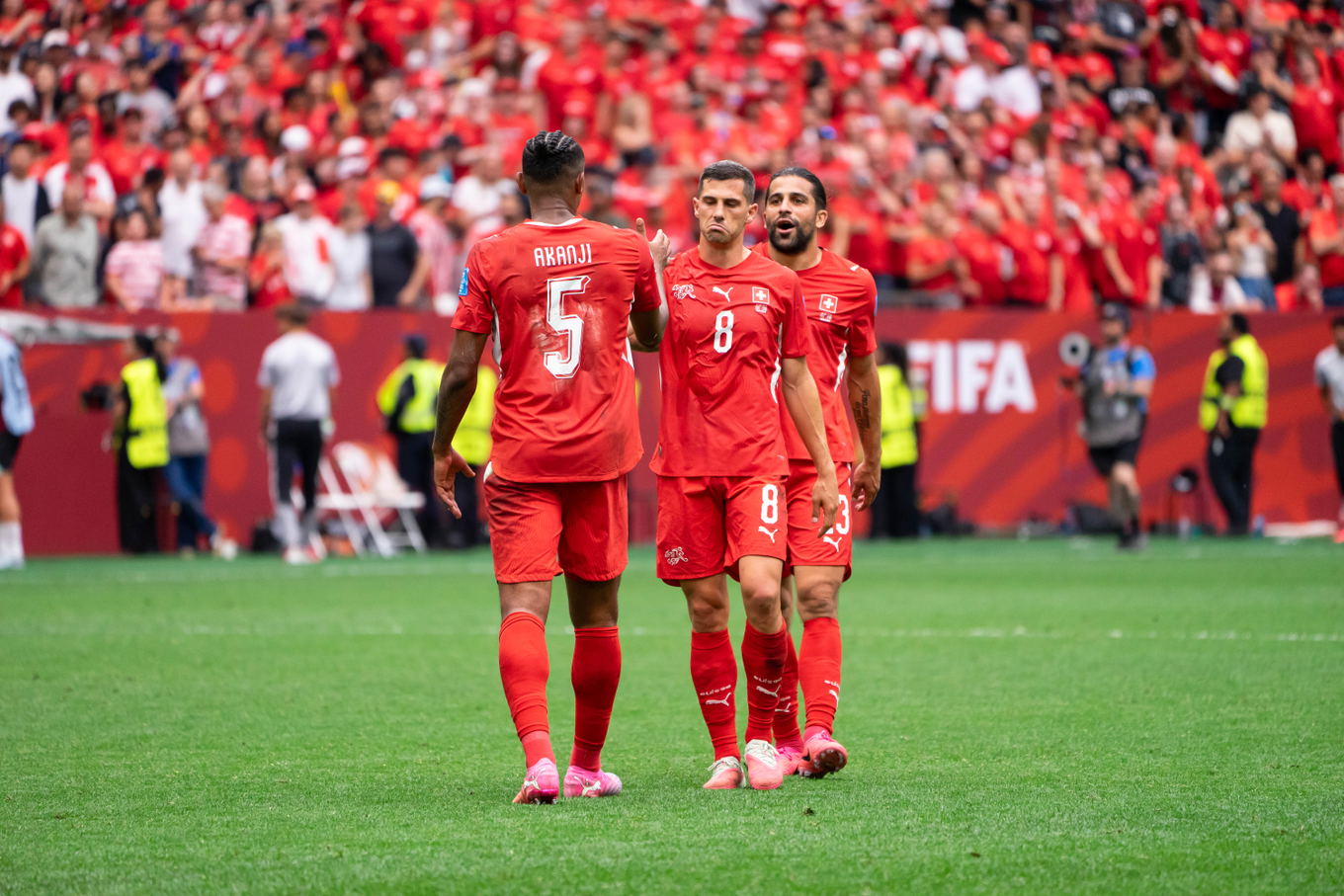
Gregor Kobel finished as Switzerland's top-rated player with 7.2, and that fits a match that was decided in tiny moments rather than open play. Switzerland and Colombia were locked at 0-0 after 120 minutes before Switzerland won 0-0 on penalties, a result that sends them into their first World Cup quarter-final in 72 years, since 1954 when they hosted the tournament.
Kobel, Quintero and the ratings sheet
Kobel's influence was small in volume and big in weight. He made one save in the official match stats, then added the decisive stop in the shootout, which is about as clean a summary of a goalkeeper's night as you will get.
The other standout was J. Quintero, who came off the bench for Colombia and immediately looked the most dangerous player on the pitch. He finished with an 8 rating, the highest mark in the match, and the notes around his performance highlighted his quick eye for incisive passes and the openings he created from set pieces.
Granit Xhaka also posted a solid 7.0, while Jhon Arias matched that mark for Colombia. Arias later said, "Obviously, traveling to three countries affected my physical condition, but that's not an excuse," and also argued that Colombia were not competing on equal terms. That view has to be read as his view, not as the reason the tie was lost.
A tense match that was all about margins
The numbers tell you how stop-start it was. The game produced 43 fouls, the second-most foul-laden match of the tournament behind Haiti vs Scotland's 44. That kind of game rarely rewards fluency, and it never really did here.
Colombia still had a route through the shootout, but Cucho Hernández missed the penalty that ended their run, while Rubén Vargas converted Switzerland's winner. The exact penalty sequence is less important than the fact that Switzerland held their nerve and Colombia did not.
Switzerland vs Colombia was short on chances and heavy on tension, but the quarter-final place is real enough. Switzerland move on to face Argentina on Saturday.
Written by Sam Whitfield with AI-assisted research, cross-checked against 3 outlets. How we work →