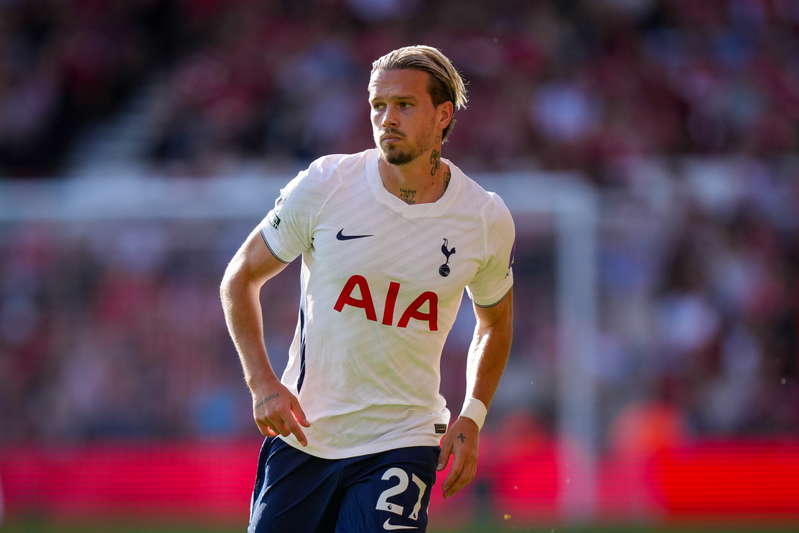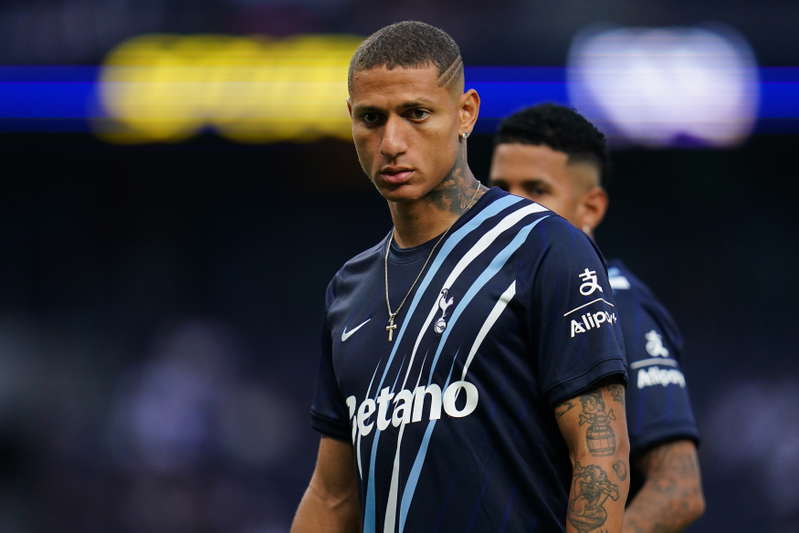


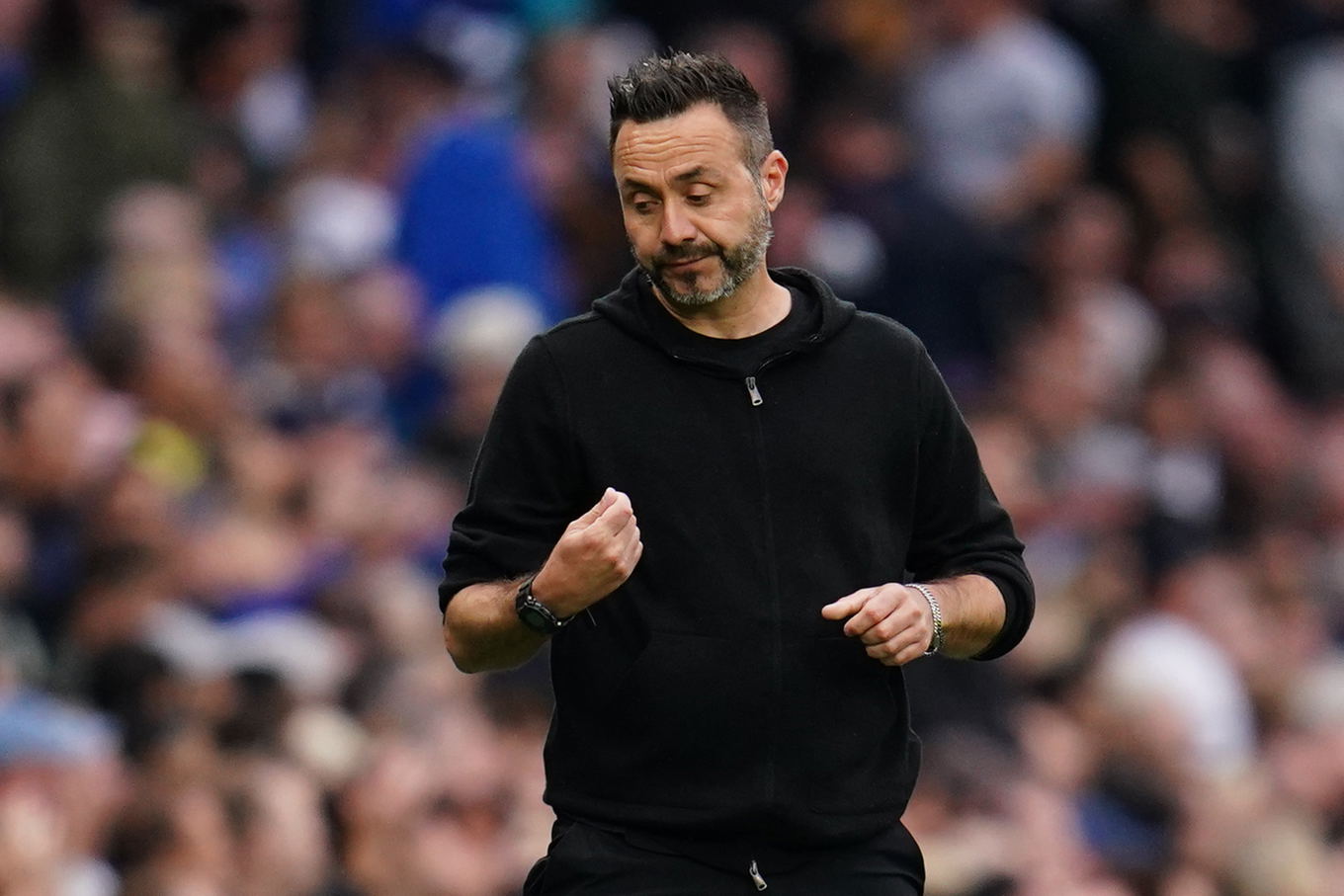
On May 24, Roberto De Zerbi said Tottenham had to start building a new team after keeping the club in the Premier League. The summer that followed was far bigger than a tidy reset. Tottenham made 10 new signings and recorded 54 ins and outs across De Zerbi's first-team squad and Wayne Burnett's U21s.
Tottenham's transfer volume
The scale of the turnover is hard to miss. Tottenham committed £394million to new recruits before any optional add-ons are counted, and that figure could rise to £469million if the £75million option on Mykhailo Mudryk is activated next summer.
That kind of spending points to a club willing to change several parts of the squad at once, not just patch over a weak spot. De Zerbi's own line at the time was simple: "From tonight we have to start to build a new team. I don't think we have to change too many players". The eventual window looked more aggressive than that sounded in May.
The money concentrated in midfield
The biggest outlay went through the middle of the pitch. Tottenham spent £85million on Mateus Fernandes from West Ham, then paid £92.5million plus £7.5million in add-ons for Sandro Tonali from Newcastle.
Those deals explain why the rebuild feels so concentrated in midfield rather than spread evenly across the squad. De Zerbi's other public line, that Tottenham had "10, 11, 12 players good enough to stay and then we have to complete the squad with the top level of players", fits the way the club moved. The core stayed in place, but the club still pushed hard for elite-level additions in key areas.
Tottenham's summer was not just about what came in. The club could also recoup a potential £264million from outgoing deals agreed, which helps show how the business was put together. Spending at this level usually invites talk about risk, but the structure here also had a sales side built into it.
The only firm number that should matter next is the one that can still move. If the add-ons hit and the Mudryk option is taken up, Tottenham's rebuild will stand at £469million and the window will look even more extreme in hindsight.
Watch the short
Written by Jack Mercer with AI-assisted research, cross-checked against 1 outlet. How we work →