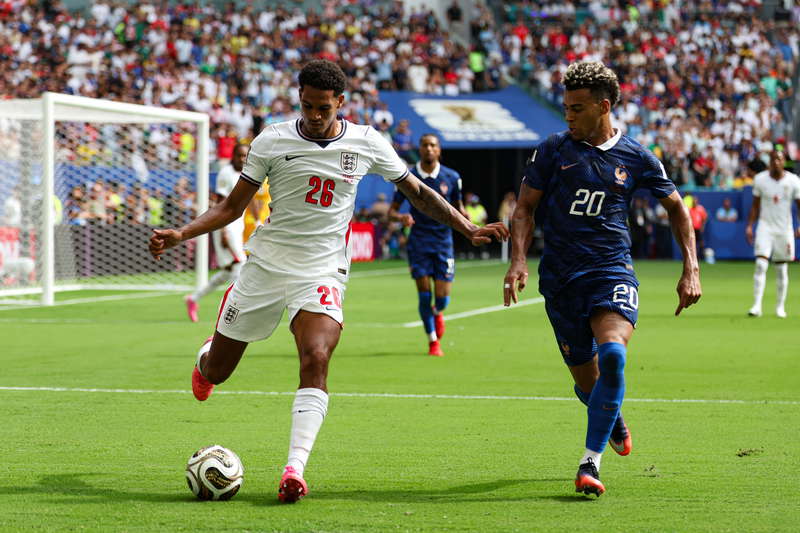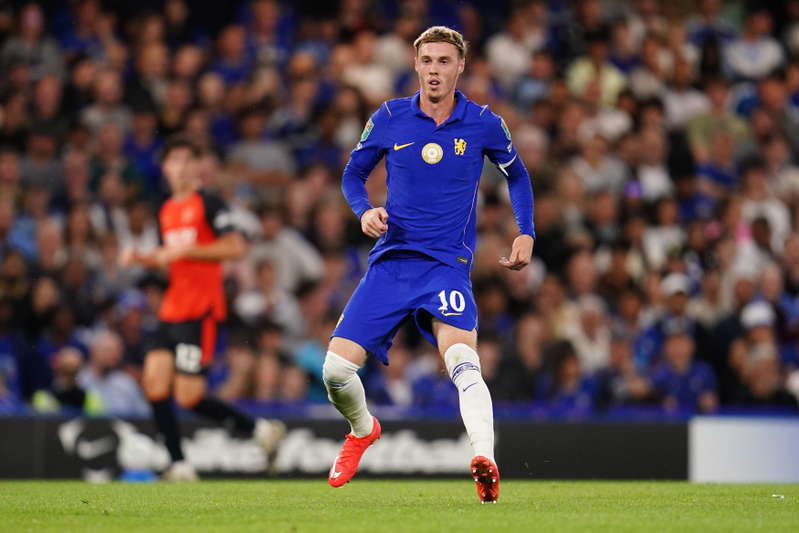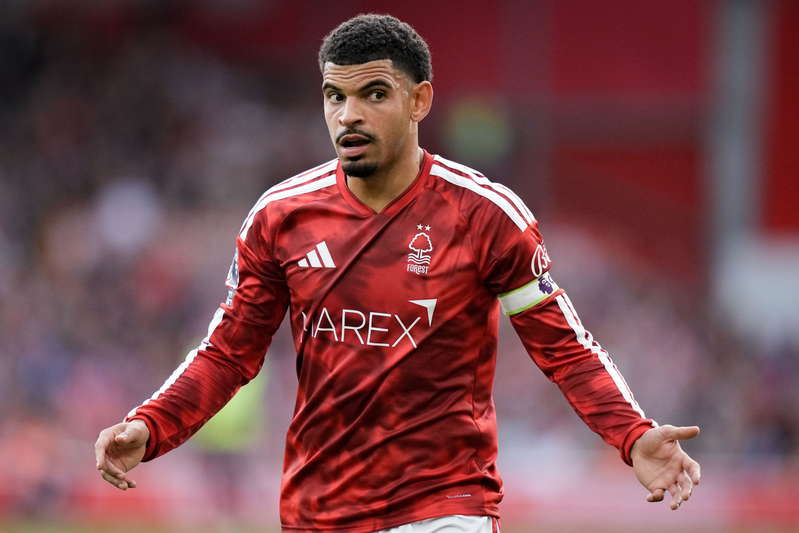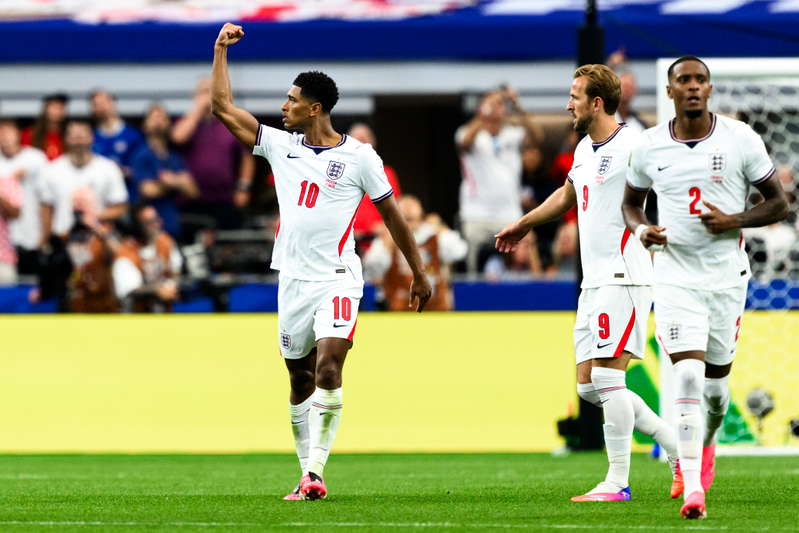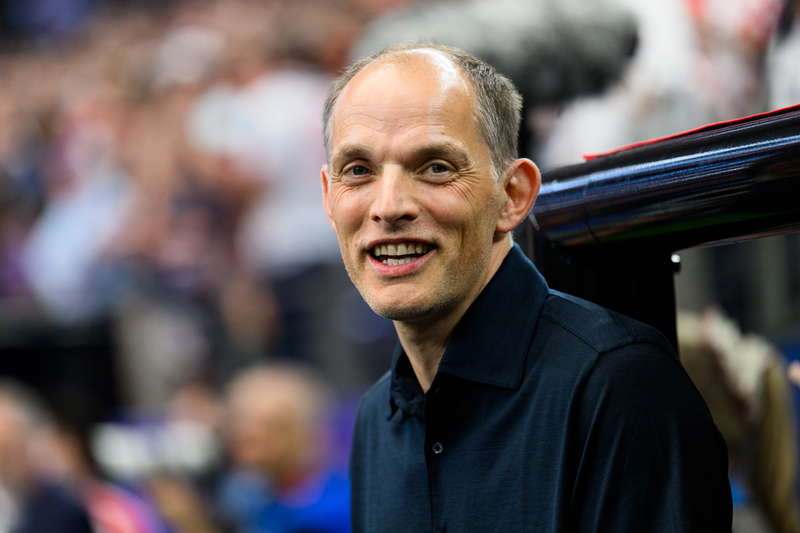


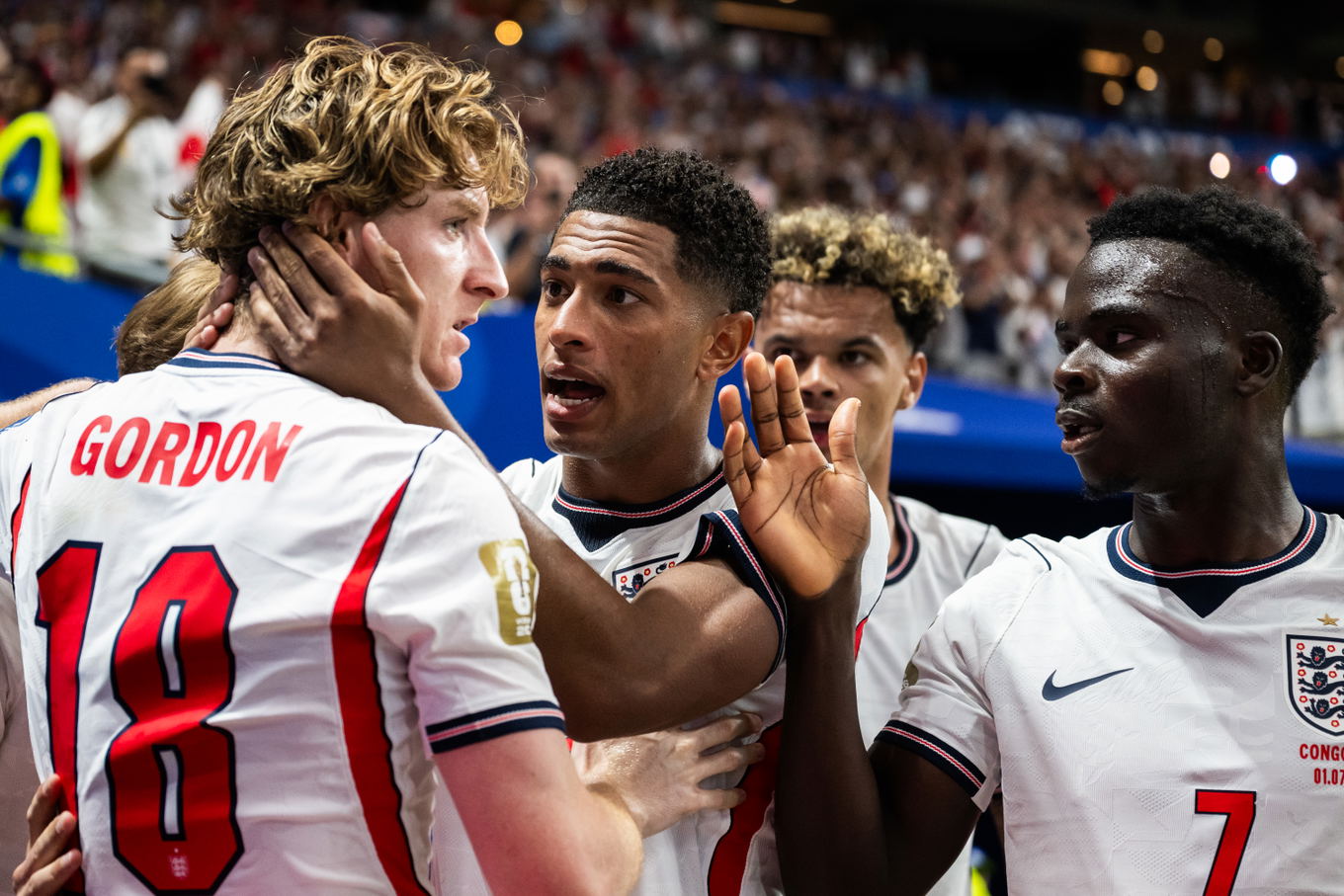
"It made zero sense to me. I think tactically it was astonishing, to be perfectly honest." Gary Lineker did not hold back when dissecting Thomas Tuchel's decision to shift England to a five-man defence in the World Cup semi-final against Argentina. With Anthony Gordon giving England a 55th-minute lead, Tuchel brought on Ezri Konsa and retreated deeper. What followed was 37 minutes that unraveled everything.
In just 37 minutes, England went from controlling the game to watching it slip away. The possession figures tell the story: England managed just 12% possession from the moment Gordon opened the scoring to the moment Lautaro Martínez headed in the winner in injury time. Enzo Fernández equalized at 85 minutes from 20 yards out with excessive space around him. Then came Martínez's header from a Lionel Messi cross. Two goals, one tactical shift that transformed the semi-final.
Lineker was not alone in his criticism. Patrick Vieira, who won the World Cup and knows what defending looks like, diagnosed a deeper problem. "The biggest question is, do you really think it's the tactical side of the games?" Vieira said. "Yes it can impact the result, but there is as well the lack of identity of the England team. They don't have that." He pointed out that England are built to press high, to play with intensity, to dominate the first and second ball. The moment Tuchel pushed them back, they became passengers in their own match.
"It was inexplicable to me that they didn't try and get tight to the one player that can destroy you," Lineker added, referring to Messi. By sitting deep, England ceded exactly what Messi needed: time on the ball, space to dictate play. Messi completed 9 dribbles, won 12 of 19 duels, and set up both goals. His rating of 8.6 reflected the kind of dominance that only emerges when a team invites pressure.
The shift that changed everything
When Ezri Konsa replaced Anthony Gordon at 72 minutes, Tuchel's message was clear: retreat, consolidate, protect the lead. On paper, five at the back should offer more defensive solidity. But against Argentina's shape - two wingers, two strikers, Messi pulling strings - it left the gaps Argentina needed. Fernández found space to strike from distance. Messi's cross from the flank found Martínez's head. Not a collapse of execution, but a collapse of logic.
Tuchel himself acknowledged the shift. "We got too passive and got punished for that," he said. But he also pointed to Argentina's width as justification for the back five. That's not a lie. Argentina's attacking setup was designed for space on the flanks. The counter-argument is fiercer: if you know that's how Argentina attack, why invite the precise conditions under which they thrive?
England's identity crisis
Vieira's point about identity cuts deeper than a single substitution. Spain and Argentina will play in the final, both managed by coaches steeped in their national football cultures. They know how to play their way, and they stick to it. England, by contrast, shift their approach depending on the scoreline, the opponent, the moment. The result is a team that looks reactive rather than purposeful.
The tactical criticism from Lineker and Vieira points to this recurring weakness. When England went ahead, they didn't know whether to press the advantage or consolidate. They chose consolidation, and in doing so, handed the game to Argentina.
The FA stands firm
While social media called for Tuchel's removal and pundits like Jamie O'Hara said he "bottled it," the FA's position is unmoved. Fabrizio Romano reported that the federation intends to retain Tuchel through Euro 2028. "The message coming from the FA is that they want to continue with Tuchel," Romano said. "They want him to stay and be part of the long-term project with the English national team."
That decision may infuriate supporters, but it also reflects a pragmatic view: one semi-final loss, however painful, does not undo two years of progress. Tuchel confirmed his commitment, saying he has a contract until the home Euros and is looking forward to it. Whether that faith proves justified depends on what he learns from how Messi undid his defensive setup. If England go to Euro 2028 still searching for an identity, the tactical criticism will only deepen.
FAQ
Why did Tuchel switch to five at the back in the semi-final?
After Anthony Gordon's 55th-minute opener, Tuchel brought on Ezri Konsa and shifted to five defenders. Tuchel justified the move by citing Argentina's attacking width - two wingers and two strikers - but critics including Lineker and Vieira called it inexplicable when facing Messi's creative genius.
How did England lose their 1-0 lead to Argentina?
England's possession collapsed to just 12% in the 37 minutes after going ahead. The deeper defensive shape gave Messi time and space to operate. Enzo Fernández equalized at 85 minutes from distance, then Lautaro Martínez headed the winner from a Messi cross in stoppage time.
Will Tuchel be sacked after England's semi-final loss?
No. Fabrizio Romano reported that the FA intends to retain Tuchel through Euro 2028, despite widespread social media backlash and calls from former players for his removal. The federation views the loss as a setback rather than grounds for termination.
What is England's recurring tournament weakness?
Patrick Vieira identified a lack of playing identity. Unlike Spain and Argentina - managed by coaches steeped in their national football cultures - England shift their approach depending on the scoreline and opponent. This reactivity proved costly once they went ahead against Argentina.
- bavarianfootballworks.com
- bbc.co.uk
- dailyrecord.co.uk
- dailystar.co.uk
- express.co.uk
- football365.com
- goal.com
- independent.co.uk
- liverpoolecho.co.uk
- manchestereveningnews.co.uk
- metro.co.uk
- mirror.co.uk
- skysports.com
- sportsmole.co.uk
- standard.co.uk
- thehardtackle.com
Written by Jack Mercer with AI-assisted research, cross-checked against 16 outlets. How we work →