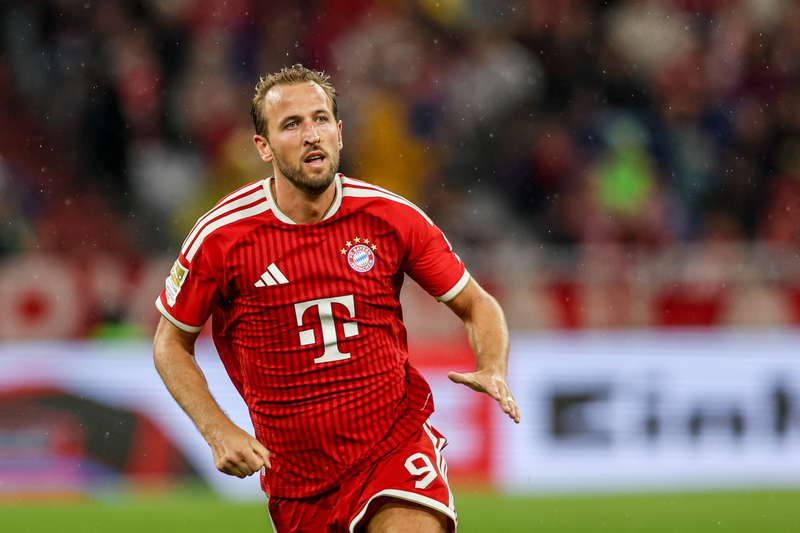


"My biggest mistake," R. Hoenes later said of sacking N. Jupp. In the autumn of 1991, Bayern München were already in a major sporting crisis and sat 12th after a disastrous start. The club then backed a rushed Sören Lerby experiment that only deepened the mess.
Hoeneß's verdict on the Heynckes decision
Hoeneß did not try to soften the judgement. He sacked Jupp Heynckes, his friend and companion, and later described it as his biggest mistake. Bayern later brought Heynckes back three more times, and that decision was eventually vindicated by history.
The scale of the fall matters here. Bayern were 12th in autumn 1991, and the club had slipped into a spell that looked nothing like the side people expect now.
Lerby's rushed rescue job
Lerby took office on 9 October 1991 after arriving with no coaching experience. He had negotiated a DM100,000 championship bonus on top of a DM35,000 salary, and he did not even have a coaching licence. Ottmar Hitzfeld mocked that openly at the time: "A coach without a licence. If this keeps going, soon there'll be a taxi driver on the bench."
Hoeneß still argued the gamble could work. "Now we need luck. Lerby has no experience. But I am convinced that he can inspire the team again," he said. He also wanted "system and order" rather than "a beauty prize". The results never matched the ambition, and Lerby's spell lasted 15 matches at an average of 0.86 points per match.
That first game made the situation worse in public. Borussia Dortmund won at the Olympiastadion in front of 27,000 spectators, with the match decided by goals in the 25th and 47th minutes. To this day, Bayern have never lost by a bigger margin at home to Dortmund, with the 2014 0-3 only matching the record.
Hitzfeld had joked that München was the obvious place to win. Bayern's response in 1991 showed how exposed they were, and the club's modern strength looks a long way from that autumn.
Written by Jack Mercer with AI-assisted research, cross-checked against 1 outlet. How we work →