

Donald Trump is talking up football, Premier League audiences are climbing and FIFA is about to take over Times Square. The World Cup’s American push already feels bigger than a single tournament, with the sport finding more room in the US media market and more noise around it in public life.
Why the US market now matters
Premier League audiences in the US are up 13 per cent over the past three years compared with the three years before that, and 12 matches in 2024/25 topped one million viewers. That is the sort of growth clubs and broadcasters notice quickly, because it suggests football is moving deeper into mainstream American viewing rather than staying a niche export.
The live appetite is there too. The Premier League Summer Series drew 82,566 for Manchester United vs West Ham, a figure that underlines how strong the in-person pull can be when the right clubs are on show.
Gregg Broughton put it plainly: "What America can do is put on a show". He also said the World Cup will "really engage the spectators here in the United States" and "really help drive a new generation of spectators here within America".
That is why MLS is watching this closely. Broughton said the Premier League already has "a big hold", but the key is making sure the World Cup buzz "carries over to MLS now and that we get spectators through on the back of it".
How football is changing its American image
Trump’s backing matters because it gives football a very visible stamp in a country where the sport has long fought for attention against other codes. He said football in the United States should really be called football, not soccer, and tied that point to America’s wider sporting identity.
There is also a bigger staging point here. This summer’s World Cup is the third major tournament in a row hosted in the United States after the 2024 Copa America and 2025 Club World Cup, and FIFA will take over Times Square for the third-place play-off and the final.
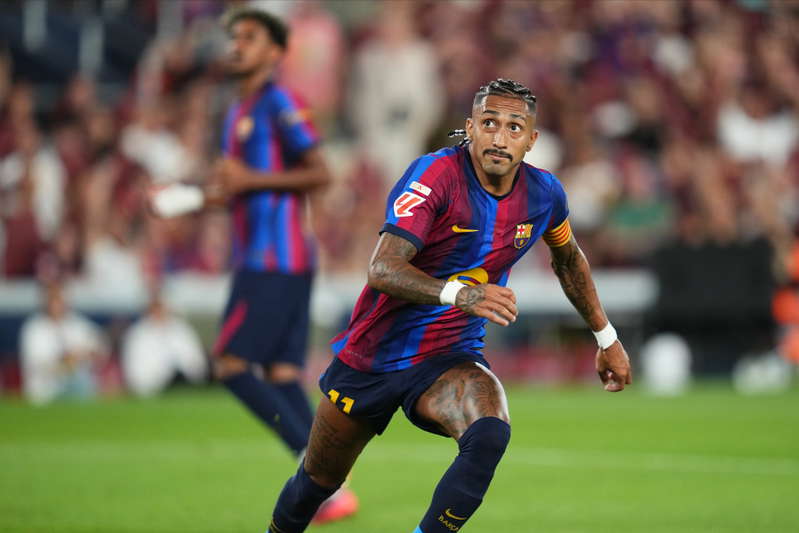
Barcelona were scheduled to face Villarreal in Miami in December 2025 in what would have been the first authentic major league game abroad, though the source material does not confirm that game actually went ahead. The point still stands: football is now being marketed, discussed and staged in the US with more intent than before.
The evidence does not say America has already transformed the sport. It does show the direction of travel. The World Cup arrives with stronger TV numbers, bigger live crowds and a clearer sense that MLS, broadcasters and FIFA all want a slice of the same market.
If those numbers keep climbing through the tournament, the next argument will not be whether football belongs in America. It will be how much of the American audience sticks around when the World Cup leaves town.
FAQ
Is the United States becoming football’s next big growth market?
The signs are strong. Premier League audiences in the US are up 13 per cent over the past three years, and 12 matches in 2024/25 topped one million viewers. Sky Sports also points to big live events, including the Premier League Summer Series crowd of 82,566 for Manchester United vs West Ham.
Why does the World Cup matter for football in America?
The World Cup is being framed as a chance to turn curiosity into lasting support. Gregg Broughton said it will engage spectators in the United States and help drive a new generation of fans, while also hoping the buzz carries over to MLS.
How are Premier League clubs helping football grow in the US?
Premier League clubs are already drawing bigger American audiences. Sky Sports points to 13 per cent growth in US viewing over the past three years and 12 games above one million viewers in 2024/25, with the Summer Series crowd of 82,566 for Manchester United vs West Ham showing the live demand too.
Written by Jack Mercer with AI-assisted research, cross-checked against 1 outlet. How we work →