

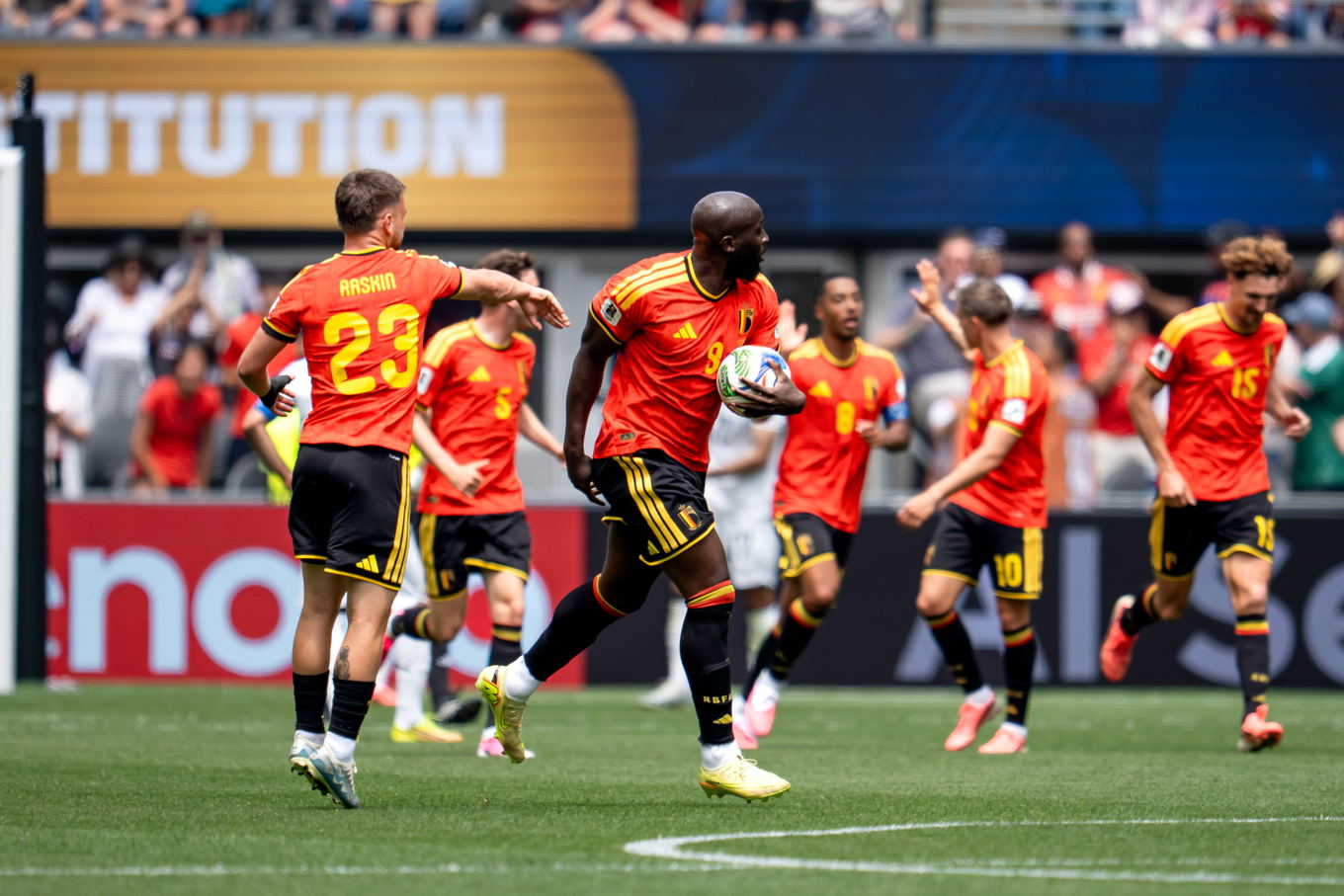
Belgium finished top of Group G with a 1-5 win over New Zealand, and the sharpest number from the night was 35 shots. That volume told the story better than anything else. Leandro Trossard scored twice, Kevin De Bruyne posted an 8.9 rating, and Romelu Lukaku came off the bench to score 64 seconds after entering the match.
Sky Sports summed it up neatly: "Belgium reached the World Cup knockout stages as group winners thanks to Leandro Trossard’s double in their 5-1 thrashing of New Zealand in Vancouver."
After two draws to open the tournament, Belgium badly needed a performance that looked convincing as well as effective. They got both in New Zealand vs Belgium. The scoreline is clear at 5-1, even if one Sports Mole subhead incorrectly listed it as 3-0. The title of that report and the verified result both reflect the actual 5-1 finish.
Trossard leads the finishers
Trossard was the clearest symbol of Belgium’s improvement. His first goal came in the 28th minute, a poacher's finish from a corner kick, the kind of scrappy close-range chance that rewards good movement more than flair. Five minutes into the second half, he scored again and gave Belgium the control their earlier pressure deserved.
He finished with an 8.3 rating, while De Bruyne recorded the highest mark in Belgium’s side at 8.9. Using one rating in isolation can be a bit thin, but in this case it fits the eye test. De Bruyne looked central to everything good Belgium did, and Trossard gave that control a decisive edge in front of goal.
There was a bit more context around Trossard coming into this game as well. He had created three chances against Egypt and six against Iran before finally getting the goals against New Zealand. That suggests Belgium’s attack was not broken in the first two matches, just short on end product.
Sports Mole put it this way: "The third time was the charm for Belgium at the 2026 World Cup, where the Red Devils qualified for the last 32 in emphatic fashion with a 5-1 triumph over New Zealand in their Group G finale." That feels about right. Belgium had enough attacking talent in the earlier draws, but this was the first time it all landed in the same game.
De Bruyne and Lukaku make the depth obvious
The biggest reason this result felt heavier than a routine group-stage win was the range of contributors. De Bruyne was the game’s main organiser, Trossard was the finisher, and Lukaku arrived late and still changed the scoreboard almost immediately.
Lukaku’s goal came just 64 seconds after he was introduced. In the stats, that still counts as a goal in eight minutes on the pitch, and it reinforced the point that Belgium’s bench can punish tired teams quickly. When a side has already created 35 shots and can still send on Lukaku, opponents in the knockout stage have a problem.
Belgium also had support from players around the main names. Alexis Saelemaekers and C. Hazard were part of a side that lined up in the verified 4-2-1-5, the same shape New Zealand used. The system itself was not unusual. Belgium’s difference was the quality inside it, especially once De Bruyne started dictating the game higher up the pitch and Trossard began finishing moves.
Rudi Garcia will probably care as much about the spread of threat as the scoreline. Belgium had spent the first two group matches looking a little too reliant on moments. This time they looked layered. They could attack from set plays, through De Bruyne’s passing, and through changes off the bench.
The late wobble did not change the bigger picture
For all the dominance, the match was not perfectly smooth. Elijah Just’s 84th-minute goal briefly dropped Belgium into second place on goal difference, which was a reminder that group standings can swing quickly even in games that seem settled.
Still, the broader read is positive and fairly simple. Belgium opened the group with two draws and closed it with a 5-1 win as group winners. Trossard supplied the goals, De Bruyne supplied the control, and Lukaku supplied the instant punch from the bench.
That is the version of Belgium the knockout stage demands. They head into the last 32 after their first win of the tournament, and they do it with evidence that the attack has finally started to stretch teams properly.
FAQ
How did Belgium qualify as group winners against New Zealand?
Belgium beat New Zealand 5-1 in their Group G finale and finished top of the group. Leandro Trossard scored twice, Kevin De Bruyne produced Belgium’s highest rating at 8.9, and Romelu Lukaku added a goal 64 seconds after coming on.
Why was Leandro Trossard so important in Belgium vs New Zealand?
Trossard gave Belgium their breakthrough with a poacher’s finish from a corner in the 28th minute and scored again five minutes into the second half. He finished with two goals and an 8.3 rating as Belgium finally turned their attacking control into a convincing win.
Did Romelu Lukaku change the game after coming on for Belgium?
Yes. Lukaku scored just 64 seconds after coming on as a substitute and did it within eight minutes on the pitch. His quick impact added to the sense that Belgium’s attacking depth clicked at the right time in the 5-1 win.
How dominant were Belgium against New Zealand?
Belgium had 35 shots in the match, which gives a fair idea of how much pressure they created. The 5-1 scoreline reflected a game they largely controlled, even if Elijah Just’s late goal briefly pushed them into second place on goal difference.
Written by Sam Whitfield with AI-assisted research, cross-checked against 2 outlets. How we work →