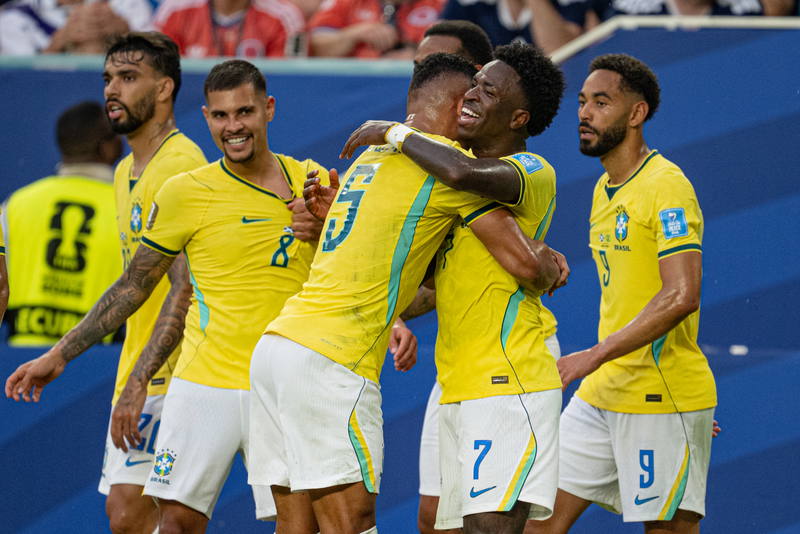


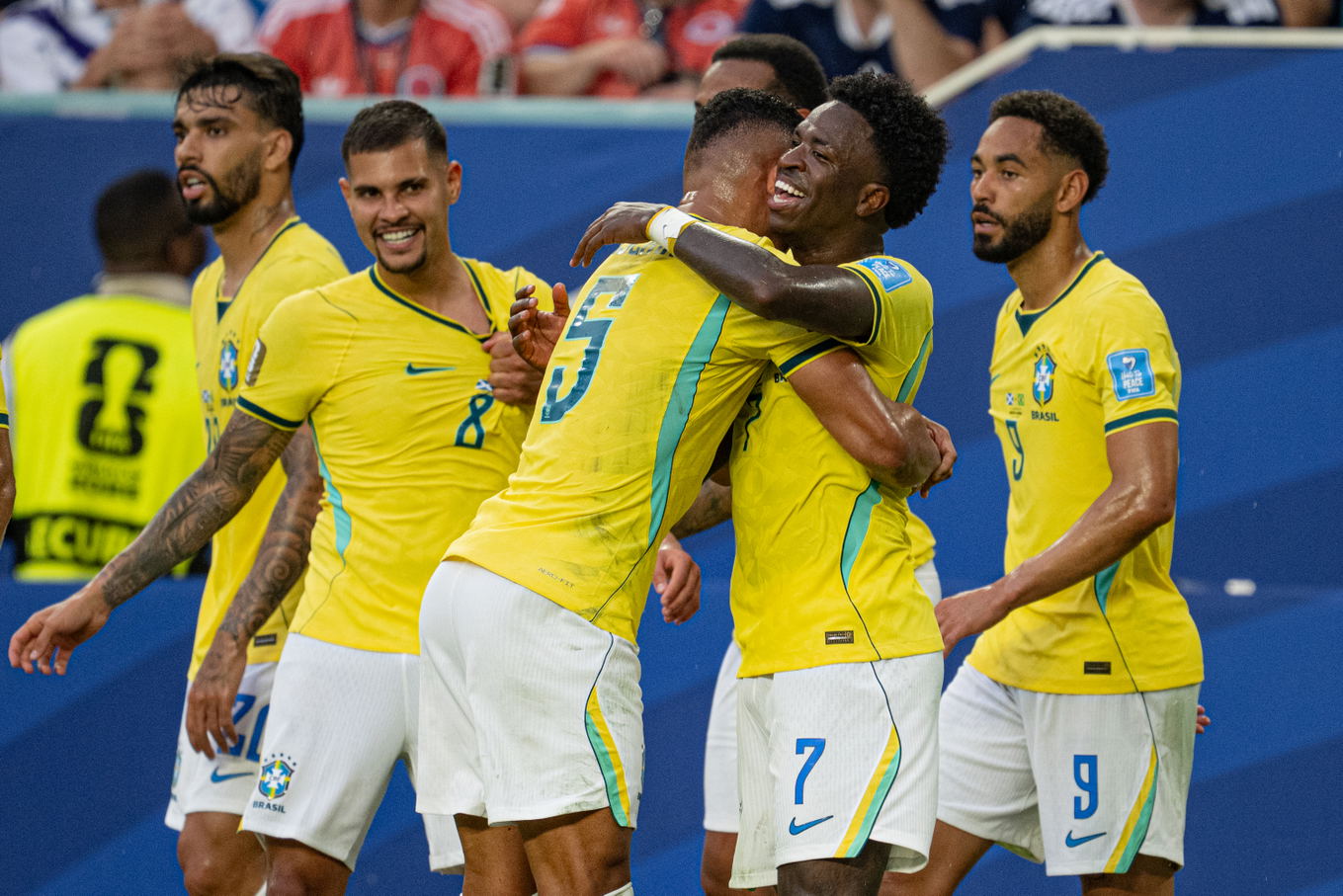
Brazil are into the round of 16 after a 2-1 win over Japan, but the late winner did not erase an awkward performance. Gabriel Martinelli settled Brazil vs Japan in the fifth minute of stoppage time, capping a comeback that owed as much to recovery and persistence as control. Japan had led through Kaishu Sano, and for long stretches Brazil looked far less comfortable than the final score suggests.
Brazil's poor start and late escape
The finish will dominate the highlights because Martinelli scored the goal that sent Brazil through in Houston. He came off the bench in the 66th minute, played 33 minutes and still managed two shots, which tells you plenty about how involved he became once the game opened up.
He told goal.com: "I don't even have words to describe the joy that is in my heart right now, to see all the Brazilian people happy with the qualification, all my family, I don't even have a way to explain what I'm feeling right now".
Brazil were not passive from the opening whistle. They attempted four shots in the first 14 minutes, so there was early intent. But Japan's compact block slowed them down after that, and the game drifted away from Brazil rather than towards them.
That was the core of the problem. Brazil had the reputation edge, but Japan made them work in smaller spaces and then punished them in the 29th minute when Sano scored the opener.
Japan had every reason to think they could finish the job from there. Ko Itakura later told goal.com: "I never thought this team would end here". That reaction made sense because Brazil had not built the kind of first-half pressure that normally pins a side back for 90 minutes.
There is a small timing dispute around Martinelli's goal. Some reports described it as a 96th-minute winner, but the verified event log supports the fifth minute of stoppage time. The bigger point is simpler: Brazil were seconds away from a much uglier conversation.
Casemiro's response changed the mood
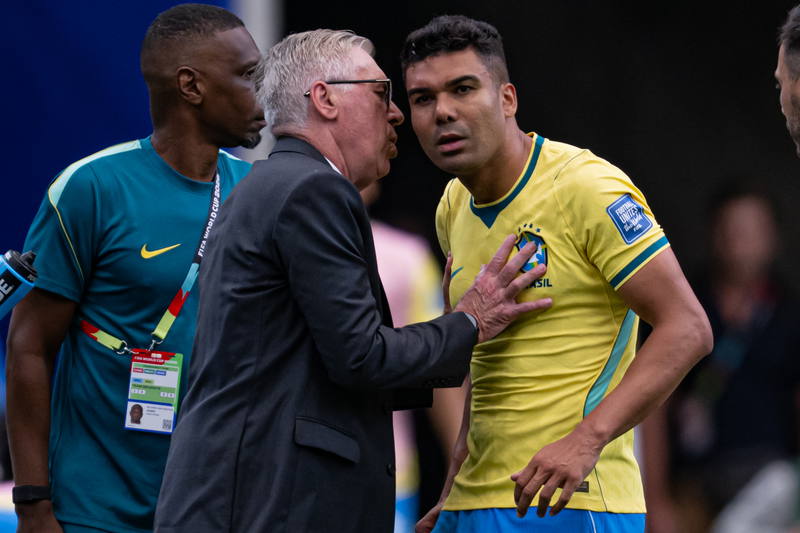
Casemiro was central to that shift, and not in a simple hero's-role way. He was caught out earlier in the move that led to Japan's opener, so his night had already turned difficult before the equaliser arrived.
He responded in the 56th minute with the goal that brought Brazil level. Brazil still needed one more breakthrough, but the equaliser reset the match and gave them a route back that had looked uncertain before half-time.
Casemiro also finished with 76 passes and an 8.0 rating. The rating is only one piece of the story, yet it fits what the game became after the break: more involvement in midfield, more authority on the ball, and less of the scrambling that marked parts of the first half.
That recovery matters more than any neat redemption narrative. Brazil did not suddenly dominate everything after his goal, but they did start to push the tie in the right direction.
Ancelotti's changes helped, but Japan fading helped too
Carlo Ancelotti's substitutions were a major part of the turnaround. Endrick came on at half-time, and Martinelli was later introduced for Matheus Cunha. Those changes increased Brazil's threat late on, especially once the game became more stretched.
It would still be too tidy to say the bench alone fixed it. Japan also dropped in intensity, and that gave Brazil more room to attack than they had in the first half. Both things can be true, but the visible difference was that Brazil finally had more runners and more direct pressure in the final third.
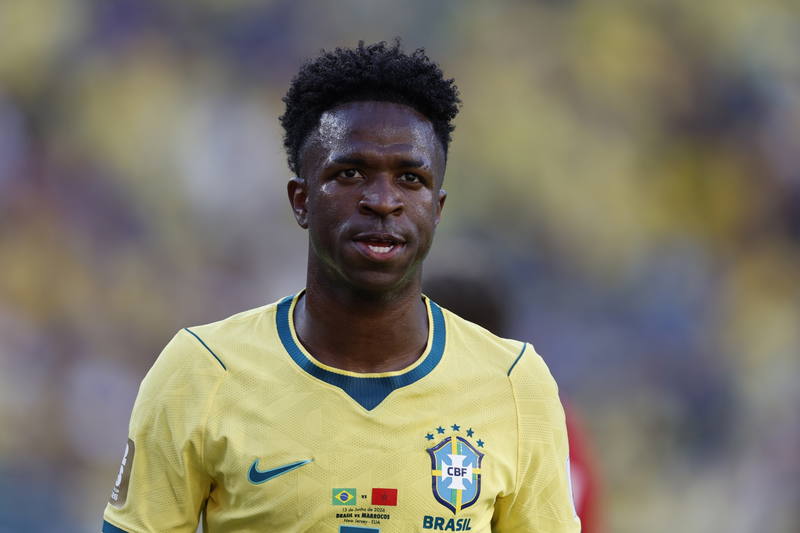
Vinícius Júnior kept driving the team forward, while Bruno Guimarães supplied four key passes and the final-ball quality that had been missing earlier. Brazil's late pressure was real; it just arrived later than a team of this level would have wanted.
Martinelli's own words after the game captured that feeling of persistence. He told goal.com: "I was talking to my family. The other day I hit a ball against the post, I knew I would have another opportunity. Thank God today I managed to score the winning goal".
So Brazil move on, and that is the part that counts most in tournament football. The concern for Ancelotti is that the night was rescued rather than managed. Beating Japan 1-2 sends Brazil into the round of 16, but the next opponent will have seen enough here to believe this side can be disrupted for long periods.
FAQ
Why did Brazil struggle before beating Japan in the round of 16?
Brazil started with four shots in the first 14 minutes, but Japan's compact block slowed the game down and Brazil lost control of it. Japan then took the lead through Kaishu Sano in the 29th minute, forcing Brazil into a recovery job rather than the kind of performance expected from the start.
How important was Gabriel Martinelli in Brazil's win over Japan?
Martinelli was decisive. He came on in the 66th minute, played 33 minutes, had two shots and scored the winner in the fifth minute of stoppage time. His impact changed the tie late on, even if Brazil's overall display had been unconvincing for long spells.
Did Carlo Ancelotti's substitutions change Brazil vs Japan?
The changes clearly helped, even if they were not the only reason the game turned. Ancelotti introduced Endrick at half-time and later sent on Martinelli for Matheus Cunha. Brazil then found more late pressure, with Martinelli scoring the winner after 33 minutes on the pitch.
How did Casemiro respond after Brazil fell behind to Japan?
Casemiro recovered well. He was caught out earlier in the move that led to Japan's opener, but equalised in the 56th minute and finished with 76 passes and an 8.0 rating. Brazil still needed a stoppage-time winner, but his goal was the point where the comeback became possible.
- football-italia.net
- goal.com
- independent.co.uk
- managingmadrid.com
- si.com
- skysports.com
- sportsmole.co.uk
- standard.co.uk
Written by Sam Whitfield with AI-assisted research, cross-checked against 8 outlets. How we work →