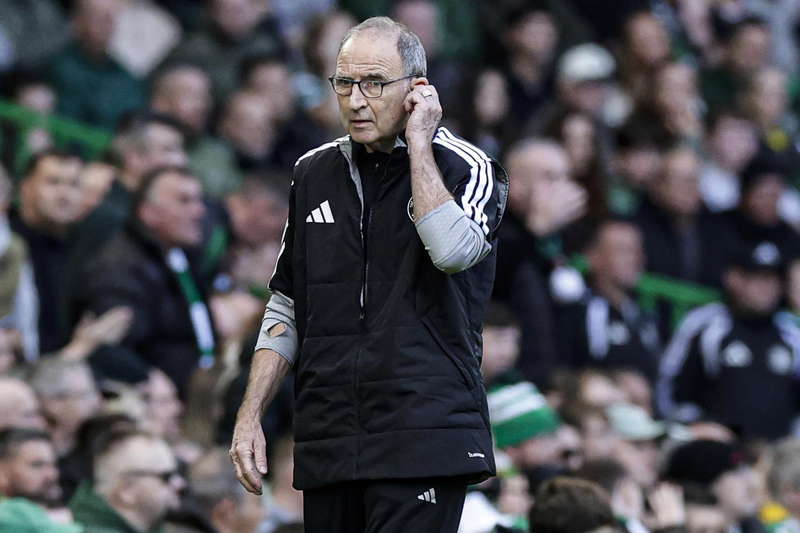


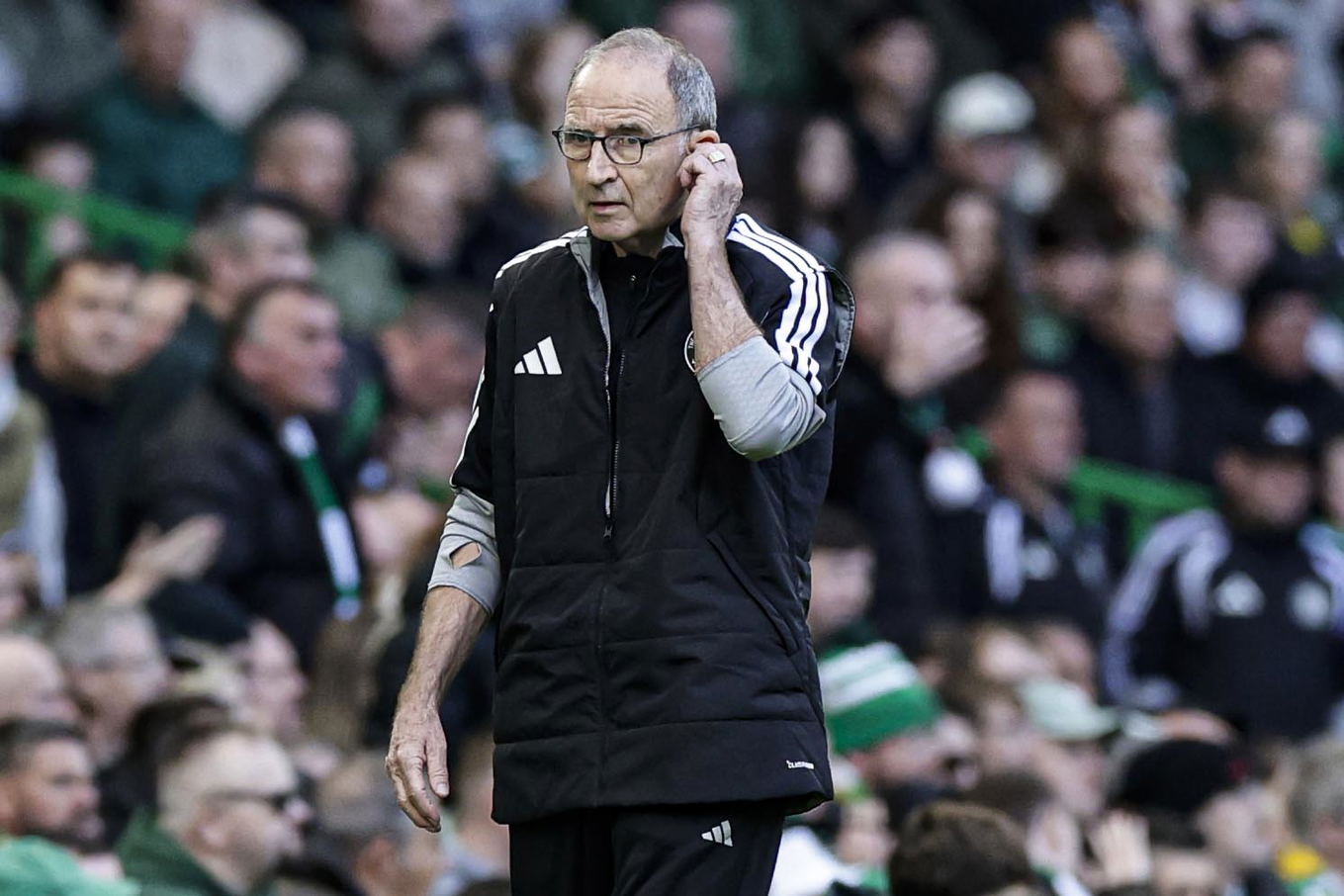
"I'm responsible for this one," Martin O'Neill told bbc.co.uk after Celtic turned a commanding position into one of their worst European exits. They were four goals up on aggregate against Lask Linz after 21 minutes and still finished the tie beaten 5-4 after extra time. The manager's admission gave the night a clear theme: accountability first, then the damage that follows from missing the Champions League.
O'Neill did not try to soften it. Speaking to bbc.co.uk, he said: "We know that we are a million miles from the finished article. That's absolutely true. I think we thought that anyway."
That line fits the result. Celtic were not coming into this as a side in obvious domestic trouble. They finished top of the Premiership table in 2025, had won five straight league games and had just beaten Kilmarnock 5-1. What happened in Austria looked less like a team in long-term decline and more like a side that lost control of a European tie in the worst possible way.
O'Neill's responsibility and the Champions League cost
The bigger issue for O'Neill is not only the collapse itself, but what it removes from the rest of the month. He told bbc.co.uk: "The qualification for the Champions League is major, it's major in every aspect."
He then tied that directly to what comes next: "Financially, for prestige, but we have to pick ourselves up. That's my responsibility again to do that." Celtic also have to finish the transfer window without the Champions League windfall, which gives the defeat a practical cost as well as an emotional one.
That is why O'Neill's post-match comments matter more than the usual apology after a bad European night. He accepted the football failure and the consequences around it. He did not pin it on one player, and the evidence does not support doing that anyway. This was a collective collapse, from game management to duels to the team's response once the tie started turning.
McGregor's verdict on a passive Celtic side
Celtic captain Callum McGregor backed his manager's line with an assessment that was every bit as damaging. Speaking to bbc.co.uk, he said: "We got what we deserved. We were passive all night."
McGregor added: "We looked scared to go and win the game." That is a harsher criticism than simply saying the team made defensive mistakes. It points to a side that stopped playing on the front foot even after building such a huge aggregate lead.
His comments also carry some weight because they are not coming from a player struggling badly at the start of the campaign. McGregor has made 2 league appearances this season and carries a 7.4 average rating domestically. The captain was not hiding behind form or fitness when he spoke.
Others had reasons to feel exposed too. Yang Hyun-Jun and Robert Ljubičić were part of a team that could not hold the tie together, while M. Usor was among the names involved as LASK kept dragging the game back toward them. McGregor's final line probably summed it up best: "You can't lose by that margin then look for excuses elsewhere."
The mental collapse and the physical one
There is a fair debate over whether this should be read mainly as a tactical failure or a mental and physical one. The answer is probably both, but the post-match reaction leans heavily toward the second view.
Neil Lennon, quoted by bbc.co.uk, said: "It looked to me as if Celtic were exhausted" and then added: "Fragile in duels. It only looked like there would be one winner." Scott Brown's read was similar, saying Lask Linz "outran Celtic in a couple of areas, the two up front were strong, solid and willing runners."
Those descriptions line up with the decisive moments of the tie. Florian Flecker equalised in the fourth added minute to force extra time, and Viljami Sinisalo then denied Adeniran a hat-trick from the spot before Celtic were punished again. Tactical errors were part of it, but teams that are physically secure and mentally calm usually find a way out once they are four goals clear on aggregate after 21 minutes.
Celtic now go into the final days of the window without the Champions League money O'Neill wanted, and with a result that neither he nor his captain tried to explain away. The damage is already fixed: four goals ahead early, 5-4 down on aggregate by the end of extra time.
FAQ
Why did Martin O'Neill take responsibility after Celtic's collapse in Austria?
O'Neill said, "I'm responsible for this one" after Celtic blew a four-goal aggregate lead and lost the tie 5-4 after extra time. He also admitted the team are "a million miles from the finished article" and accepted responsibility for lifting the squad after missing Champions League qualification.
What did Callum McGregor say about Celtic's performance against LASK?
McGregor was as direct as his manager. He said Celtic "got what we deserved" and were "passive all night," adding that the team "looked scared to go and win the game." His reaction backed up the sense that the collapse was not just tactical, but also mental.
How big is the financial impact of Celtic missing the Champions League?
O'Neill described Champions League qualification as "major, it's major in every aspect" and said Celtic now have to finish the transfer window without that windfall. He linked the damage to both finances and prestige, while stopping short of making any firm claims about transfer outcomes.
Was Celtic's defeat to LASK more tactical or mental and physical?
The evidence points to both, but the mental and physical side stands out more in the reaction after the game. McGregor spoke about passivity and fear, while Neil Lennon said Celtic looked exhausted and fragile in duels. Defensive errors mattered, but Celtic's own senior voices described a team that folded under pressure.
Written by Sam Whitfield with AI-assisted research, cross-checked against 2 outlets. How we work →