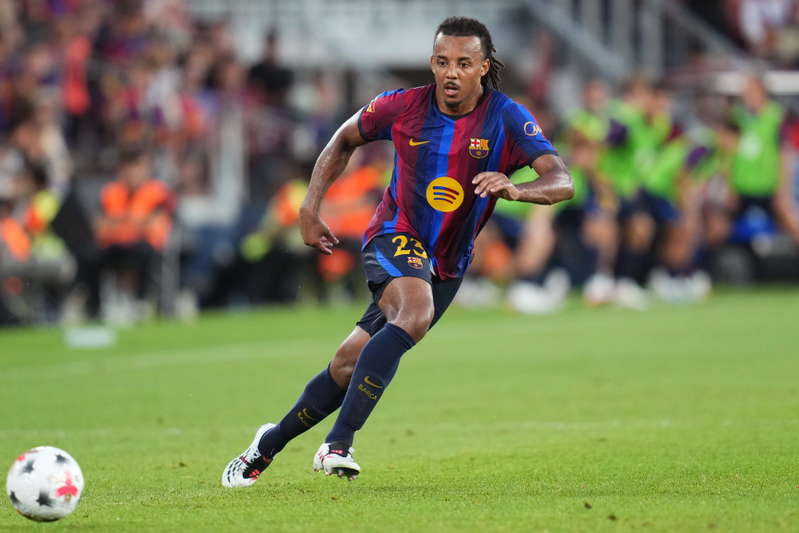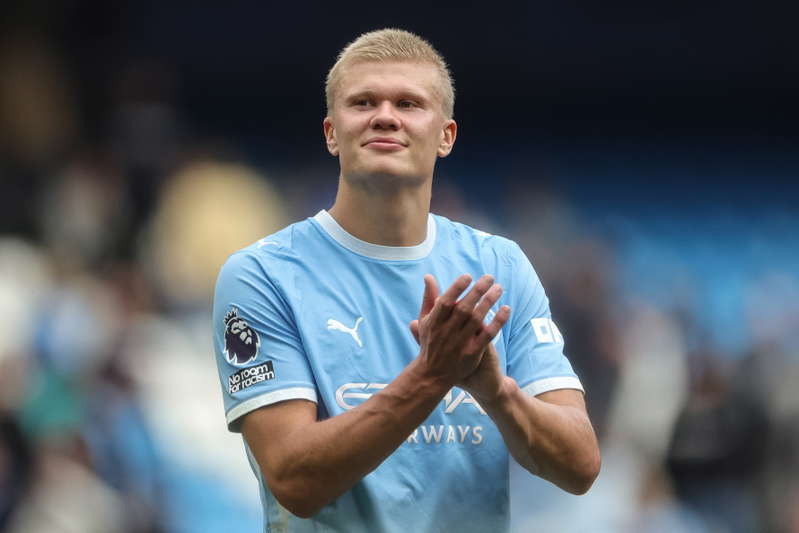


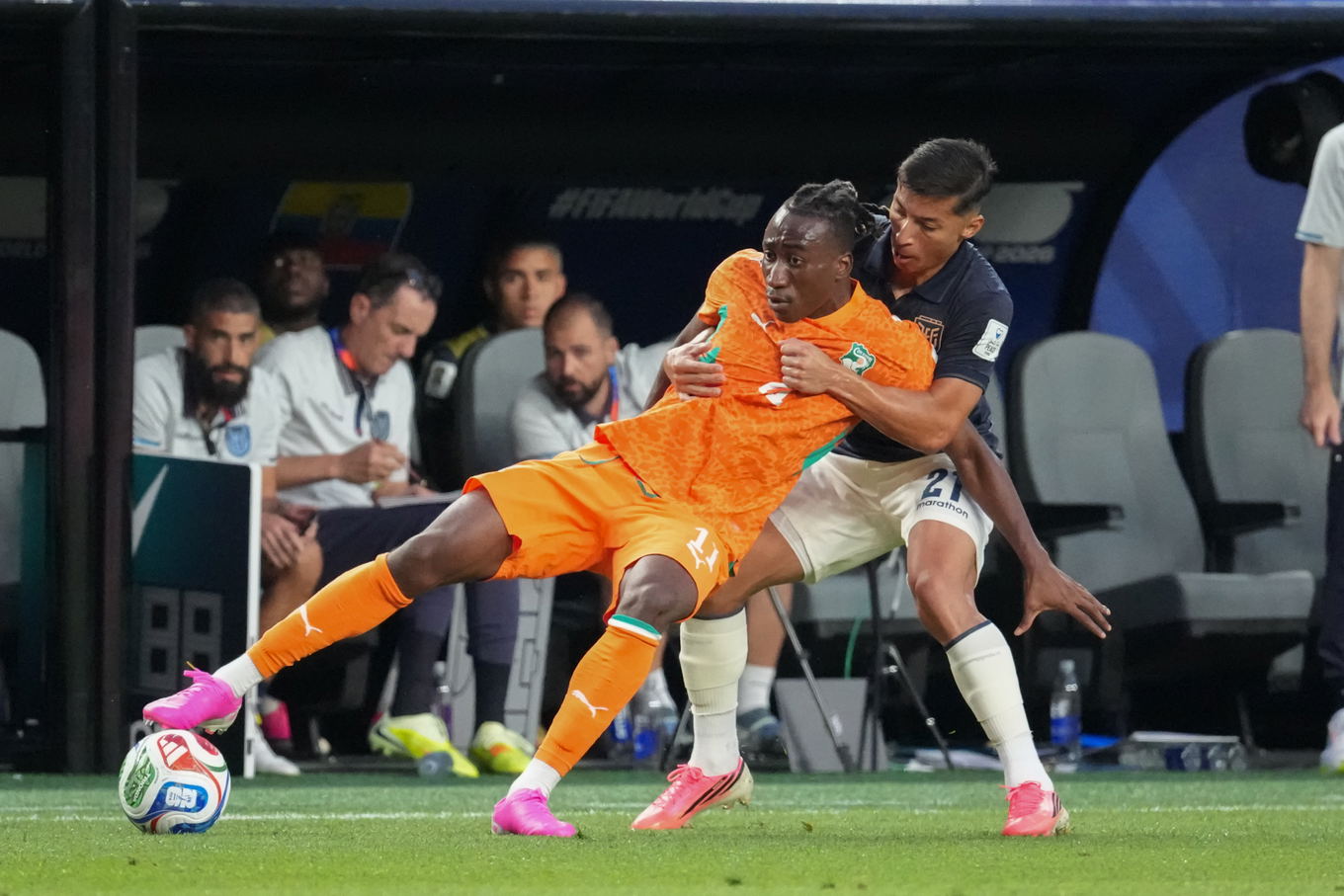
Two teenagers are entering the final stage of European football's highest youth honor with contrasting credentials. Yan Diomande produced 23 goal contributions in 36 appearances during his debut season with RB Leipzig, earning the Bundesliga's Rookie of the Season award. Lennart Karl accumulated 17 across 40 games for Bayern Munich while helping secure the Bundesliga title. Same league, same generation - but opposite development philosophies, both now competing for Golden Boy 2026.
Karl's domestic dominance path
Lennart Karl represents a specific model of youth development: the established German factory. According to Bundesliga official records, he "contributed nine goals and eight assists in 40 competitive appearances while also winning his first three senior Germany caps." That output arrived during Bayern's dominant campaign, one that delivered the Bundesliga with 89 points (28 wins, 5 draws, 1 loss) and a goal differential of +86.
Winning titles at 20 is not incidental to development. Bayern's domestic control provides a specific kind of education: elite routines, consistent training depth, exposure to pressing standards that European football demands. Three Germany caps before age 21 signals that national scouts see a player ready for senior responsibility. Karl's path has been safe, structured, and reinforced by institutional excellence.
A thigh injury ruled him out of the World Cup 2026, which meant no international tournament minutes to add to his resume in the months before the Golden Boy award is decided. For a teenager competing alongside peers who played on a world stage, that gap is real. It does not diminish his candidacy - his domestic honors remain substantial - but it does mean his platform is narrower than it might have been. International tournaments accelerate scouting conversations. Karl's injury removed that accelerant.
Diomande's rapid-integration model
Yan Diomande followed a different trajectory entirely. Rather than waiting for minutes within an established structure, he was thrust into RB Leipzig's lineup and responded with immediate output. Bundesliga officials reported that Diomande "recorded 13 goals and 10 assists in 36 appearances across all competitions, earning the Bundesliga Rookie of the Season award."
His 0.64 goal contributions per game is a measurably higher rate than Karl's 0.425. More importantly, Diomande achieved that pace while Leipzig finished third, 24 points adrift of Bayern's title. Without the shelter of a title-winning campaign, he produced at an elite rate, suggesting his output was not contextual but intrinsic. Scouts notice that distinction.
Diomande also seized the international moment. He made 14 appearances for Côte d'Ivoire, including four at the World Cup 2026, logging 295 minutes at a tournament where senior eyes are watching. That experience, earned through performance rather than automatic selection, carries weight in a competitive Golden Boy race. It proves he does not just thrive in German football; he holds his level when stakes change.
The two paths could not be more different. Karl developed through titles and institutional depth. Diomande broke through via immediate, high-stakes competition. One model teaches consistency; the other teaches composure under pressure. Yet both have earned their place in the conversation, and both have the numbers to justify it.
Redefining what youth development means
The presence of Karl and Diomande in the Golden Boy race signals something larger: a generation of Bundesliga teenagers forcing Germany's elite clubs to take youth development seriously, and internationally. Bayern's willingness to promote Karl into a title-winning campaign and Leipzig's gamble on Diomande's immediate impact represent different bets on the same problem: how to build the next elite players. The Golden Boy voters will choose one model over the other. Before they do, both teenagers have shifted the benchmark for what Bundesliga clubs demand from their youth prospects.
FAQ
What is the difference between Karl and Diomande's development paths?
Diomande produced 13 goals and 10 assists in 36 appearances for RB Leipzig, averaging 0.64 contributions per game. Karl recorded 9 goals and 8 assists in 40 games for Bayern Munich. Diomande achieved his rate at a mid-table club; Karl did so while winning the Bundesliga title. Both paths represent valid approaches to youth development.
Did Karl play at World Cup 2026?
No. A thigh injury ruled Karl out of the World Cup 2026. While peers who played in that tournament have documented international performance, Karl's platform for the award relies primarily on his domestic honors with Bayern.
Why is Diomande's impact more immediate than Karl's?
Diomande was thrust into RB Leipzig's lineup immediately and responded with 13 goals and 10 assists in 36 appearances. Karl developed within Bayern's title-winning structure, accumulating 9 goals and 8 assists in 40 games. Leipzig's approach prioritizes immediate competition; Bayern's emphasizes domestic dominance. Both are valid development philosophies.
How many goals did Diomande score to earn Bundesliga Rookie of the Season?
Diomande scored 13 goals and added 10 assists in 36 appearances in his debut season, earning Bundesliga Rookie of the Season. His 0.64 goal contributions per game at mid-table RB Leipzig made him one of the league's most productive teenagers.
Written by Jack Mercer with AI-assisted research, cross-checked against 1 outlet. How we work →