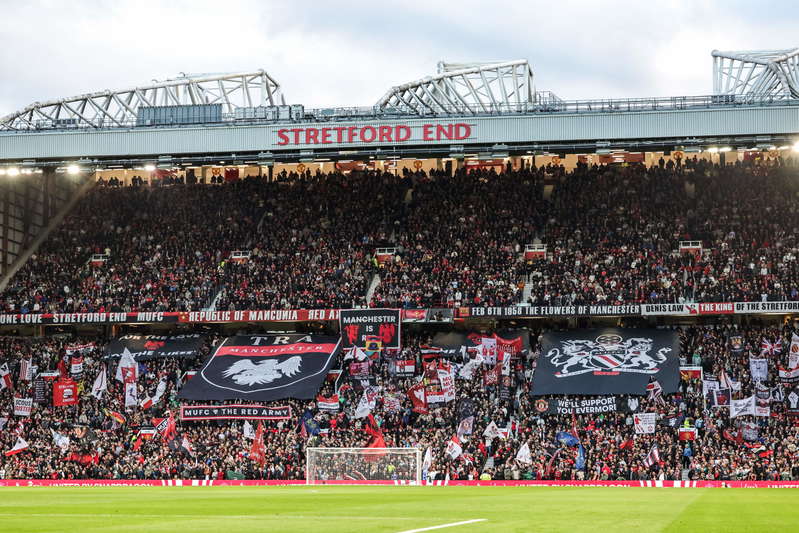


"The team was not consistent." That was Erik ten Hag's own summary of his time at Manchester United, and it sits at the centre of a reflective interview that moves from big wins to damaging collapses. He points to the home comeback against Barcelona, the Europa League quarter-final exit to Sevilla, and the point he believes United stopped looking like the same side.
Fernandes, Weghorst and the team around them
Ten Hag is especially strong on Bruno Fernandes, whom he says he gave freedom to in the game plan. He also says the captaincy was "good for the team" and "for him" as well, while describing Fernandes as a player with "great game understanding" who "always gives his best".
Wout Weghorst gets a similarly warm mention. Ten Hag said, "Wout did well for us; what he took out of his career is amazing" and linked him to the way Rashford performed in that spell. The point is not that United were built around one role player, but that the manager clearly valued the balance those players gave him.
That sits alongside his broader view of the team. "On our good day we could match the best teams in the league, in the world, I would even say. On the worst day, we sat below the bottom," he said, adding that the Liverpool defeat came immediately after the League Cup win and that United were "maybe... too confident".
Twente, the 2000 blast and the wider interview
The interview also wanders well beyond United. Ten Hag is back at Twente and the setting is relaxed, but he spends time on the 2000 fireworks depot explosion that killed 23 people, including four firefighters, injured 950 and destroyed 400 homes. He said, "The leadership of the club were mad at me, but they had made the decision to play," and added, "Everyone is agreeing now: you can't play football when your city is burning."
That history gives the conversation an edge that most football interviews do not have. It is also why his discussion of leadership feels more lived-in than rehearsed. On the United side, the most important part remains his insistence that the volatility was real, not imagined. United could beat the best, then fall apart in the next match.
The team from that period still had the sort of moments Ten Hag remembers clearly, including coming from behind to beat Barcelona at home. It also had the kind of night in Sevilla that showed how quickly things could go wrong. That is the version of his United tenure he wants remembered most, and it ends with the same basic truth he started with, inconsistency defined it.
Written by Jack Mercer with AI-assisted research, cross-checked against 1 outlet. How we work →