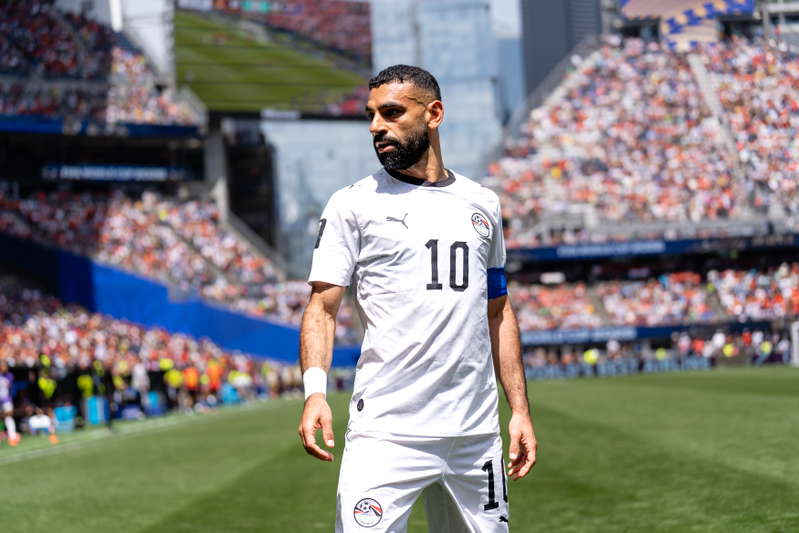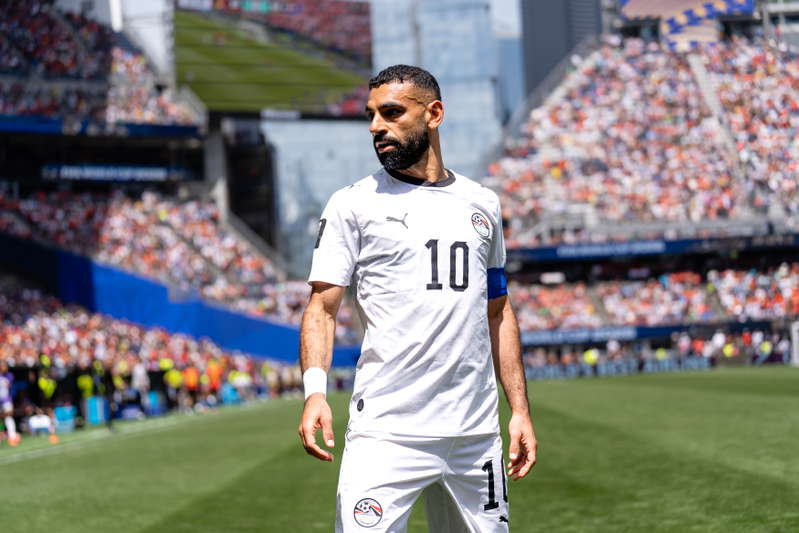


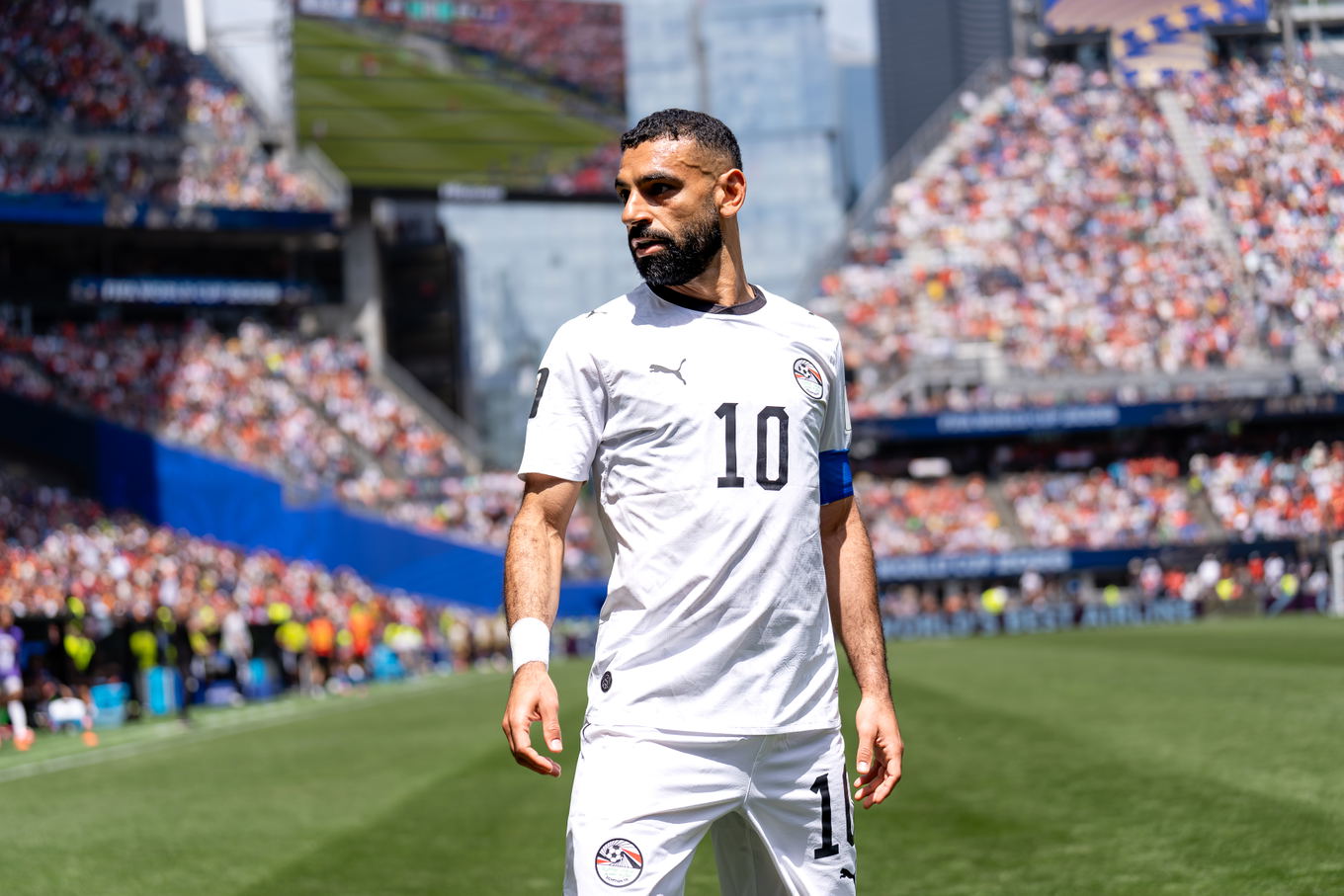
Hossam Hassan is no longer coach of Egypt's national team, according to reports from SPORT1 and A Bola, after a run of internal tension that spilled well beyond results. The pressure had already risen after a heated disagreement with captain Mohamed Salah during the October international break, and three days ago Egypt's Supreme Council for Media Regulation imposed a media ban on Hassan.
SPORT1 quoted the federation line, in comments translated from German: "The national coach is said to be responsible for 'negative effects on the team's positive image and stability'." That framing makes this look like a breakdown in trust and control more than a simple results call.
The fallout behind the change
The Salah dispute appears to have been the turning point. A Bola reported that criticism of Hassan intensified after the row with Egypt's captain during the October international break, and that is the kind of split a federation rarely rides out for long.
Salah's standing in this team makes that impossible to treat as background noise. He has 1 goal and 2 assists in 5 World Cup appearances for Egypt, and even in a turbulent spell around the national side he remains central to anything they do well.
The media ban only added to the sense that the situation had become unmanageable. SPORT1 placed that sanction three days before the reported dismissal, which pushed the story out of a football problem and into a broader public one.
The timing of Egypt's decision
There is still a slight gap between how the move has been described. SPORT1 presented Hassan as already out, while A Bola, quoting Ibrahim Fayek in comments translated from Portuguese, reported that "the coach's departure is already settled behind the scenes and that the official announcement should come tonight".
That difference is real, but it does not change the substance. Both reports point in the same direction: Egypt had decided the situation could not continue.
The timing is awkward because this is not the end of a cycle. Egypt are second in Group G with 5 points from 3 matches, so the federation is making this call during an active qualifying campaign. Their run has also been mixed rather than disastrous, with one win and two draws from those three group matches.
A Bola added that the federation had initially planned to keep the current coaching staff in place for the two qualifying matches against Malawi, which suggests the original preference was stability. Once the Salah clash and the public fallout escalated, that plan did not hold.
Hossam El-Badry and Ali Maher have been named as the main candidates to replace Hassan. Whoever takes over will inherit a team still in contention in Group G, but one that has spent too much of this stretch dealing with noise around the coach instead of the football.
FAQ
Why was Hossam Hassan dismissed as Egypt coach?
Reports on Hassan's exit point to a wider breakdown rather than one result. SPORT1 quoted the federation line that he was responsible for negative effects on Egypt's positive image and stability. The pressure had already grown after a heated disagreement with Mohamed Salah during the October international break and a media ban imposed three days before the reported dismissal.
Did Mohamed Salah's dispute with Hossam Hassan lead to the Egypt change?
The Salah fallout is presented as a major part of the crisis, not the only factor. Criticism intensified after their heated disagreement during the October international break, and Salah's influence makes that relationship especially important. He has 1 goal and 2 assists in 5 World Cup qualifying appearances, so any split with the captain carries obvious weight.
Are Egypt still in contention in World Cup qualifying after the coaching change?
Yes. Egypt are second in Group G with 5 points from 3 matches. Their recent qualifying run has been mixed, with one win, two draws and a defeat across the last five results mentioned in the reports, but they are still in the campaign rather than dealing with this after a completed cycle.
Written by Sam Whitfield with AI-assisted research, cross-checked against 2 outlets. How we work →