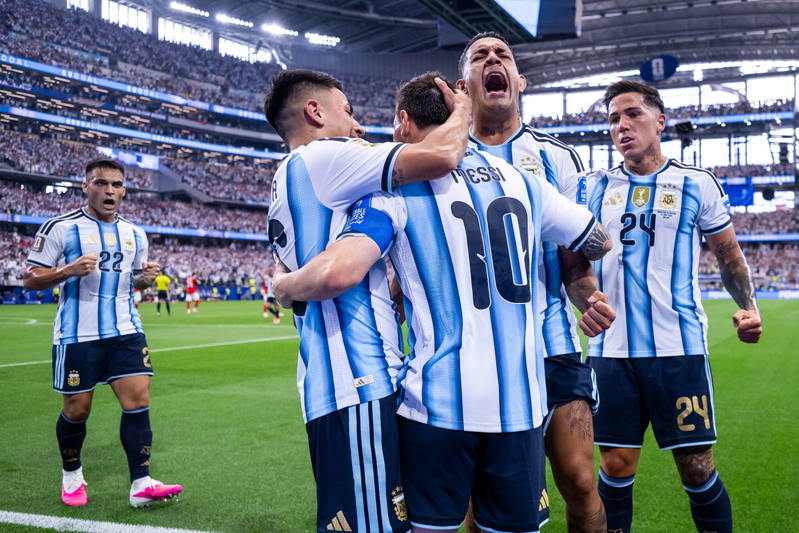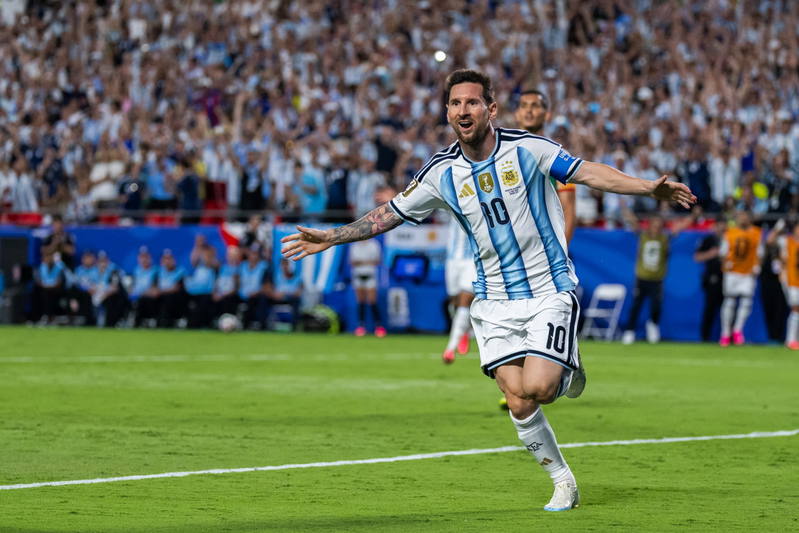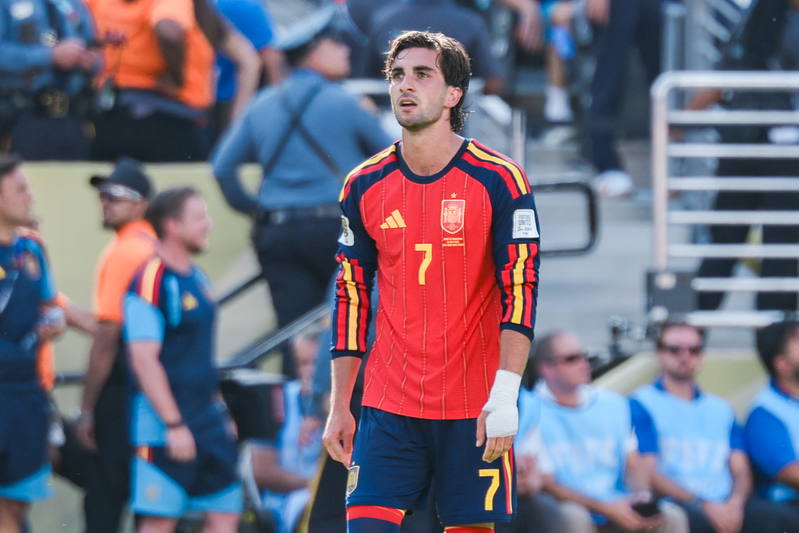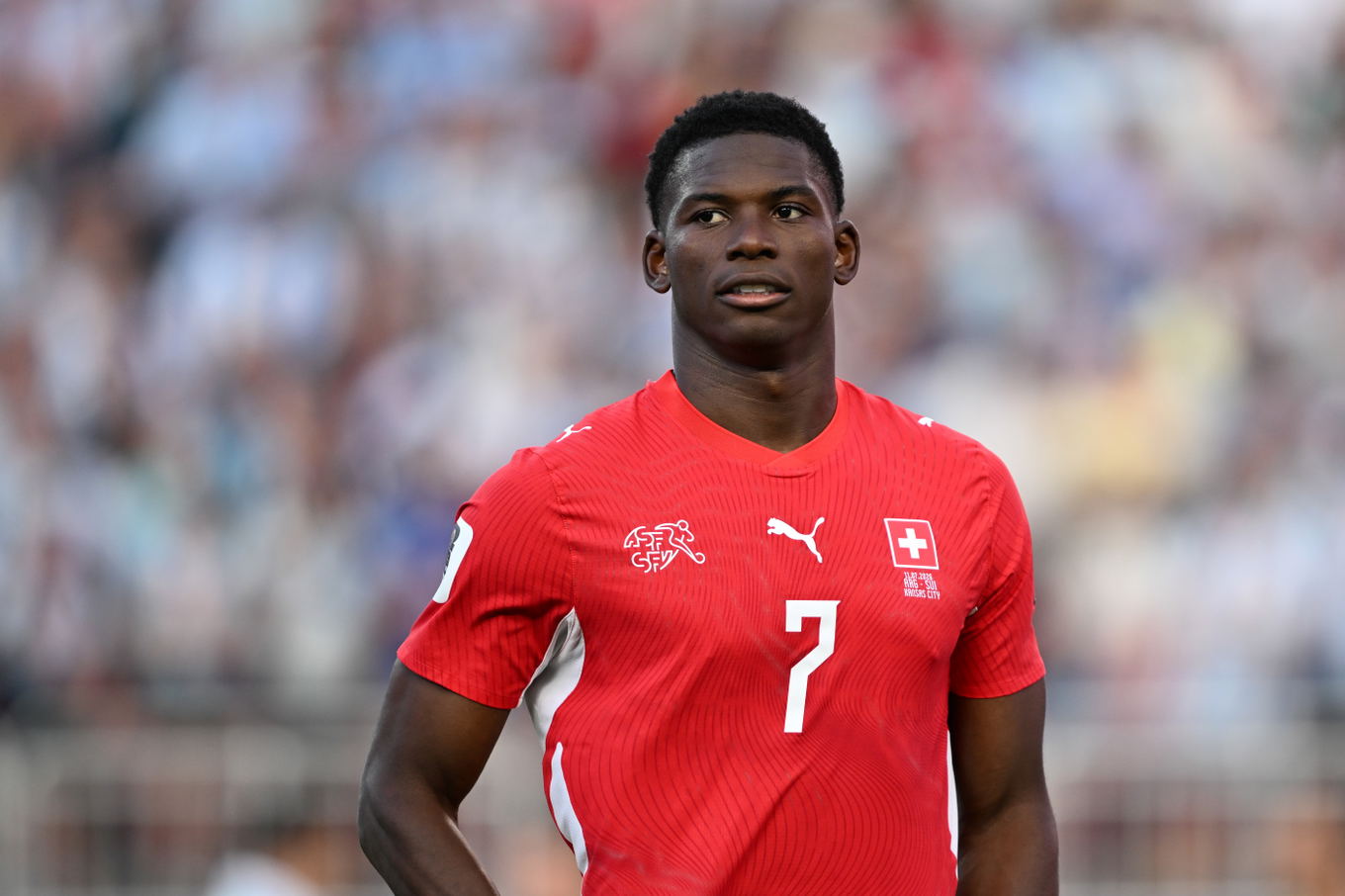
"We were punished for a rule that is completely unacceptable," Murat Yakin told express.co.uk after Switzerland's quarter-final against Argentina. IFAB's clarification has now given that anger some substance. The laws body says the mistaken-identity process was used incorrectly in the incident that ended with Breel Embolo being sent off, which leaves Switzerland with the stronger argument even if the result itself does not change.
IFAB's clarification on the law
The key line came from IFAB via express.co.uk: "A yellow card (caution) other than a second yellow card can only be reviewed to identify the player who committed the sanctioned offence; the offence itself cannot be reviewed or amended."
That is the heart of the row. Embolo received a red card after the second booking in the quarter-final, and he was already on a yellow when the second caution was issued. IFAB's position is that the offence itself could not be reviewed or amended under the mistaken-identity clause.
That does not support the way the decision was explained on the night. Speaking via si.com, referee João Pedro Silva Pinheiro said: "After review, there is no foul for Argentina's No. 5. And Switzerland's No. 7, there is a clear simulation. Final decision: Yellow card to No. 7."
The problem for the officials is obvious enough. Switzerland's complaint is not just that a harsh call went against them, but that the process used to reach it should not have been available for that kind of punishment. On the evidence available, Yakin is right on that point.
Switzerland's anger is not hard to understand
Yakin's frustration was emotional, but it was also rooted in the state of the game. Switzerland were level when the incident happened, and the manager believed his side were in control. He told si.com: "After the equalizer, we had the momentum on our side, and I wanted to make substitutions there as well, to bring on fresh attacking players. We were dominant. We controlled the game. But the red card..."
Switzerland had enough tournament form behind them for that complaint to carry some weight. They had won four of their last five World Cup matches, and they had already put together three straight World Cup wins before the quarter-final.
Yakin's view was even blunter with express.co.uk: "We were punished for a rule that is completely unacceptable. I don't understand. It is very painful we are eliminated that way. I don't think we deserved it and in my opinion our boys are the real heroes."
He is arguing two separate things there. One is emotional and will always be debated. The other is procedural, and IFAB has effectively backed him on that.
The bias claims go too far
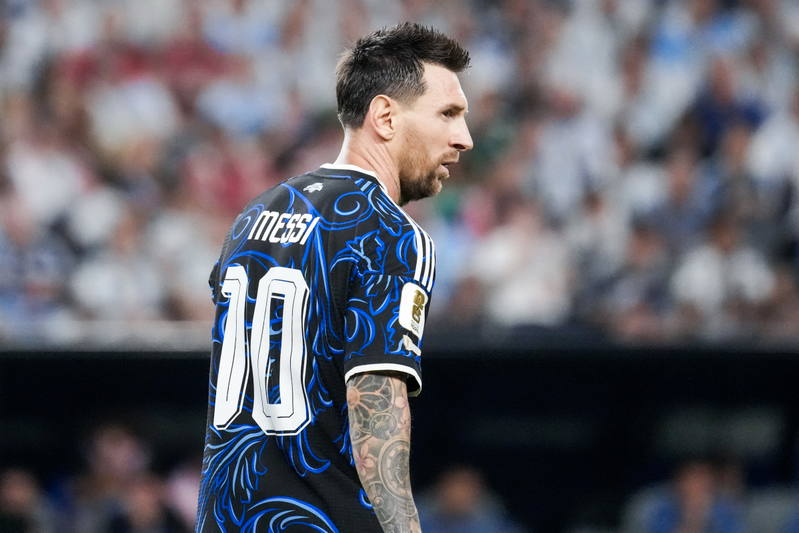
This story has also been dragged into wider World Cup conspiracy talk around Argentina and Lionel Messi. Hossam Hassan told si.com: "It's all about money. They want Messi to stay in the tournament. In football, many things happen off the pitch because of interests."
That accusation goes further than the evidence here allows. The stronger reading is officiating error, not proof of deliberate bias or corruption toward Argentina. IFAB's clarification points to a law being used wrongly, which is serious enough without turning it into something bigger than the facts support.
There is another reason to keep the argument narrow. Argentina still won their next two knockout matches, and they were on a five-game winning World Cup run across that stretch. Switzerland can reasonably say they were denied a fair shot at the semi-finals. The harder claim, that this proves a rigged path for Argentina, is not established by the material now on the record.
FAQ
What did IFAB say about the Breel Embolo red card against Argentina?
IFAB said the offence itself could not be reviewed or amended under the mistaken-identity clause. Its clarification backs Switzerland's complaint that the protocol was used incorrectly when Breel Embolo, who was already on a yellow card, received a second booking that led to his dismissal.
Was Murat Yakin right to complain about the VAR decision in Switzerland vs Argentina?
The evidence points strongly in Yakin's favour on the process. IFAB's wording says a yellow card can only be reviewed to identify the player involved, not to review or change the offence itself. That does not prove bias, but it does support Switzerland's argument that the law was applied wrongly.
Did the Switzerland vs Argentina incident prove a conspiracy in the World Cup?
No. The strongest evidence supports an officiating error, not proof of deliberate bias or corruption. Conspiracy claims have circulated around Argentina and Lionel Messi, but this case is better explained by a misused VAR process than by verified evidence of intent.
Were Switzerland playing well before the Embolo dismissal?
Yakin said Switzerland had the momentum after the equaliser and were controlling the game when the incident happened. Their tournament form also gave weight to that view: they had won four of their last five World Cup matches and had put together three straight wins before the quarter-final.
- dailystar.co.uk
- express.co.uk
- givemesport.com
- goal.com
- independent.co.uk
- metro.co.uk
- si.com
- skysports.com
- sportsmole.co.uk
Written by Sam Whitfield with AI-assisted research, cross-checked against 9 outlets. How we work →