

Iran's World Cup preparation is being overshadowed by a visa process that, by the federation's own account, is still unresolved. Medhi Taj says no visas have been issued yet and wants guarantees from FIFA before the tournament begins. That matters because Iran already have a group-stage schedule, a base in Tucson, Arizona, and very little room for administrative drift.
Taj told bbc.co.uk: "The visa issue has still not been resolved." He also said: "Tomorrow or the day after, we will have a decisive meeting with Fifa. They must give us guarantees."
That is the real story here. Not the draw, not squad planning, and not the usual World Cup build-up. If a qualified team is still waiting for clarity at this stage, the problem is serious enough on its own.
What Taj has actually said about the visa process
The strongest line from Taj was also the clearest. Speaking to bbc.co.uk, he said: "We have not received any account from the other side regarding who has been granted visas. No visas have been issued yet."
That wording matters. It does not support the claim that Iran have already been formally denied World Cup visas. It does show a process that is unresolved deep into the run-in to the tournament. There is a difference, and it is an important one.
FIFA, at least publicly, is giving a more confident message. Gianni Infantino told bbc.co.uk: "Of course, Iran will play in the United States of America."
So there are two positions in play at once. FIFA is offering assurance on participation. Taj is saying the visa issue is still open and that no visas have been issued yet. Based on the brief, the safer reading is Taj's: until the paperwork is sorted, assurances are only assurances.
The urgency has been sharpened by what happened in Canada. Iranian FA officials, including Taj, were turned away at the Canadian border ahead of FIFA's annual congress in Vancouver. That episode does not tell us the final outcome of the World Cup visa process, but it does explain why Iran are demanding guarantees instead of taking broad promises at face value.
There is another detail in the brief that adds to the tension. Canada's immigration minister told parliament that Taj's visa was cancelled while he was flying because of his links to the Islamic Revolutionary Guard Corps. That does not settle the separate US World Cup process, but it shows why the federation is treating this as more than a routine bit of bureaucracy.
Why the timeline makes this more than a paperwork issue
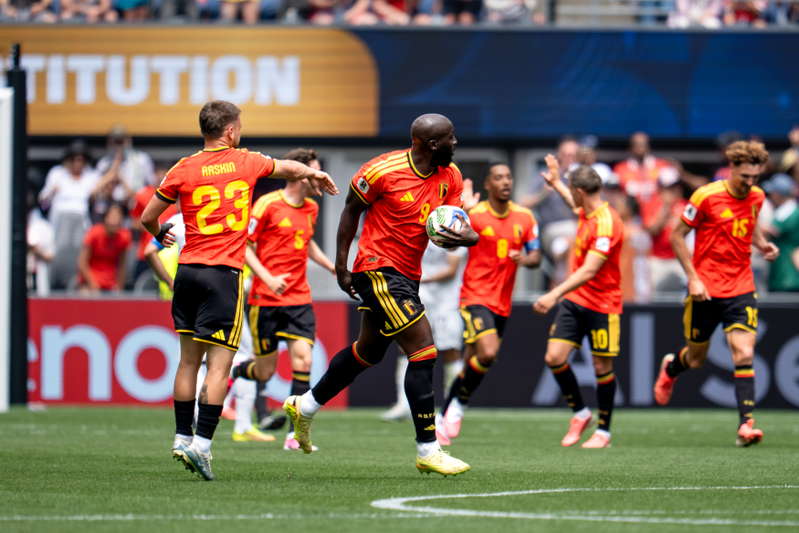
Iran are scheduled to play New Zealand on 16 June, Belgium on 21 June and Egypt on 27 June in the World Cup group stage. Those dates are not background detail. They are the reason the lack of clarity feels so damaging.
The first game, against New Zealand on 16 June, is the obvious deadline in football terms. After that come Belgium on 21 June and Egypt on 27 June. Once a tournament schedule is this close and this fixed, any unresolved access issue stops being an administrative footnote and starts affecting preparation.
The team will be based in Tucson, Arizona. That makes the uncertainty even harder to brush off. A settled base is supposed to simplify tournament logistics. It does not do much good if the central question around entry is still open.
There is also a wider governance point here. Taj is not just asking for updates. He is asking FIFA for guarantees. That suggests Iran do not believe informal confidence is enough after what happened in Vancouver.
The brief also states that the FFIRI has presented FIFA with 10 conditions for World Cup participation. Even without the full list, that number tells you the issue has moved well beyond one delayed document or one missed appointment.
What happens next for Iran and FIFA
The next step is the meeting Taj described as decisive. Until that happens, the story remains stuck between FIFA's public confidence and Iran's insistence that nothing has been resolved.
That leaves room for debate, but not much room for complacency. If FIFA is right, Iran will still be in the United States for the tournament. If Taj's warning reflects the real state of the process, then this is already cutting too close to the start of the group stage.
The sensible position is not to declare disaster or certainty. It is to treat the unresolved visa process as the main issue until Iran actually have the documents they need. For now, they are still due to open their World Cup against New Zealand on 16 June.
FAQ
Will Iran play at the 2026 World Cup despite the visa issue?
FIFA president Gianni Infantino has said, "Of course, Iran will play in the United States of America." But the visa process remains unresolved. Medhi Taj says no visas have been issued yet and [Iran](club:iran) want guarantees from FIFA in a decisive meeting before the tournament.
Why are Iran asking FIFA for guarantees over World Cup visas?
[Iran](club:iran) are asking FIFA for guarantees because Medhi Taj says the visa issue has still not been resolved and no visas have been issued yet. Pressure increased after Iranian FA officials, including Taj, were turned away at the Canadian border ahead of FIFA's annual congress in Vancouver.
When are Iran scheduled to play in the 2026 World Cup group stage?
[Iran](club:iran) are scheduled to face New Zealand on 16 June, Belgium on 21 June and Egypt on 27 June in the World Cup group stage. The team will be based in Tucson, Arizona, which makes the unresolved visa process a live issue close to the start of the tournament.
Written by Sam Whitfield with AI-assisted research, cross-checked against 1 outlet. How we work →