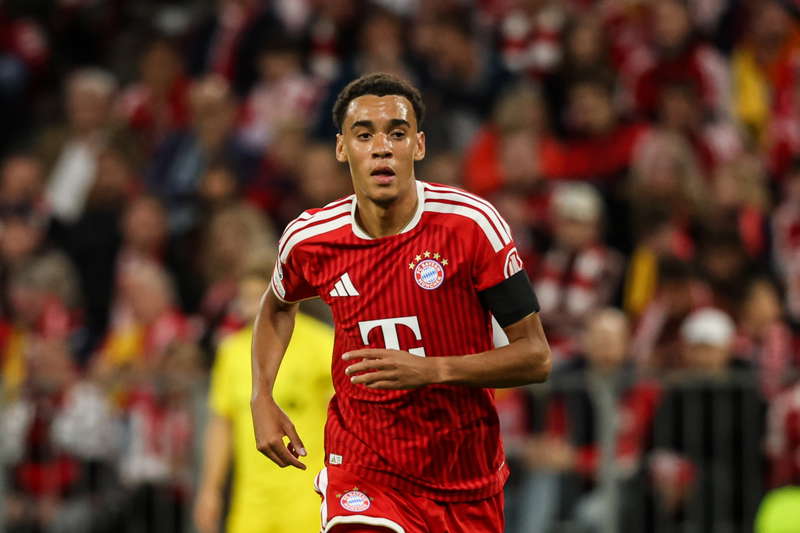










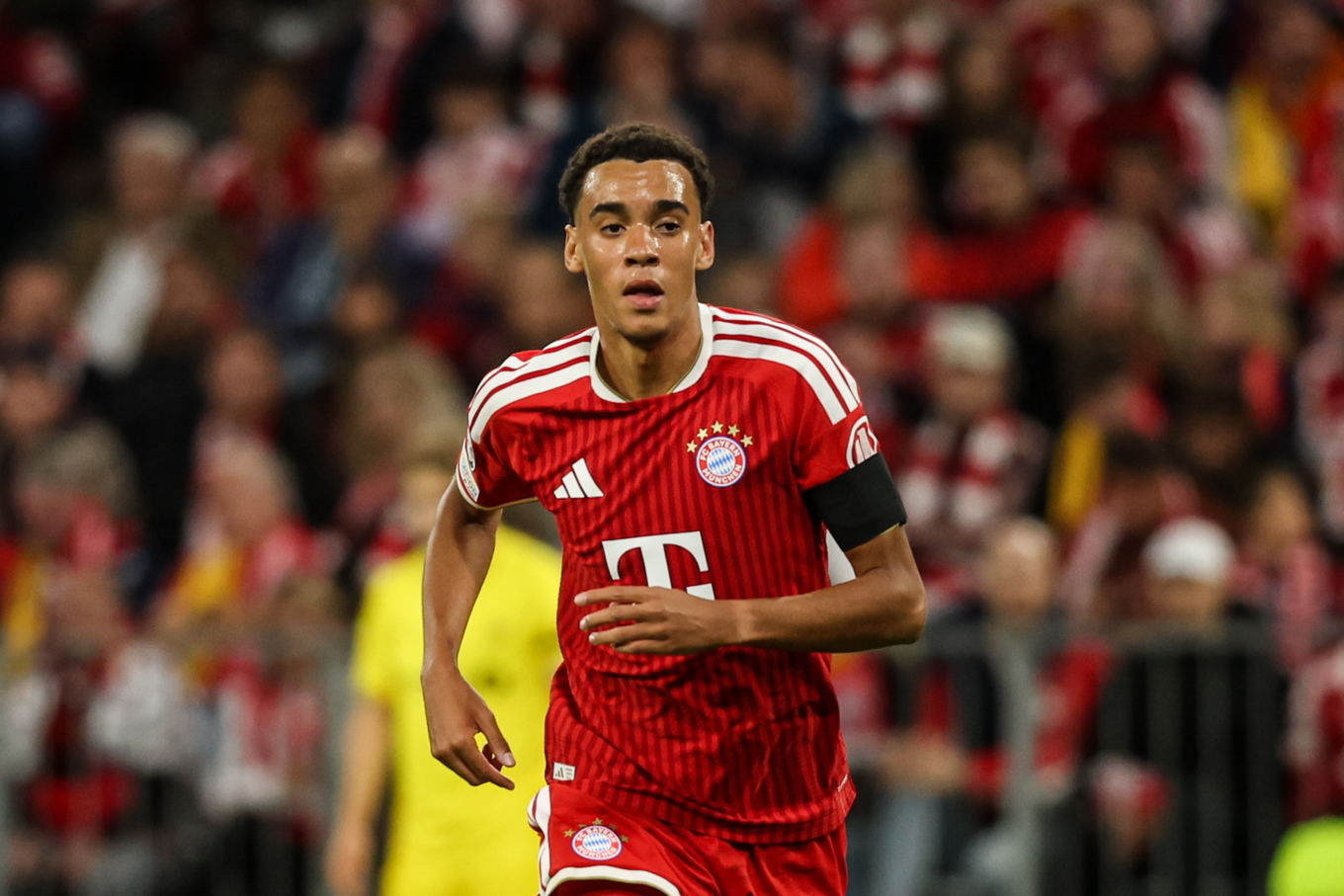
Uli Hoeneß has put Jamal Musiala at the centre of a public Bayern debate, saying Bayern München were in a dilemma over the midfielder's situation. Lothar Matthäus and Dietmar Hamann have both pushed back, arguing that the club accepted the risk when it signed the deal, not after the fact.
Bayern's contract logic
Musiala's contract was extended in spring 2025, and Hoeneß has now raised the question of what happens if Bayern start measuring the agreement against his current output. That is the line Matthäus and Hamann have challenged most directly.
Hamann was blunt on SPORT1: "The club paid him the salary. He did not make the contract himself. Back then, they decided that they absolutely wanted to keep him, paid him an astronomical salary and two people have to sign the contract. That is why the discussion about his salary is pointless."
Matthäus took a broader view of contract risk. Speaking to SPORT1, the former Bayern captain said: "It is the risk of a club, or also of a player, that when concluding a contract you do not know where the journey will go." He then pointed to Michael Olise as a benchmark for value, arguing that if Hoeneß was talking about price and performance, Bayern would also have to "at least double, if not even triple, the salary" of the winger.
Musiala's interrupted season
The debate has bite because Musiala has not had a normal season. He has only 8 appearances across competitions in 2026, with just 3 Bundesliga appearances, 1 goal and 1 assist in the league. His Champions League rating stands at 7.86, and he is already back in team training with the squad after a spell out.
The latest setback was a muscle fiber tear that kept him out for almost six weeks. He was also ruled out for almost three weeks at the start of this season because of a known nerve disorder.
That stop-start year is why Hoeneß's comments keep resurfacing, but the wider point still sits with Bayern. The contract was extended in spring 2025, the player is back in training, and the club now has to live with the deal it approved.
Written by Jack Mercer with AI-assisted research, cross-checked against 2 outlets. How we work →