

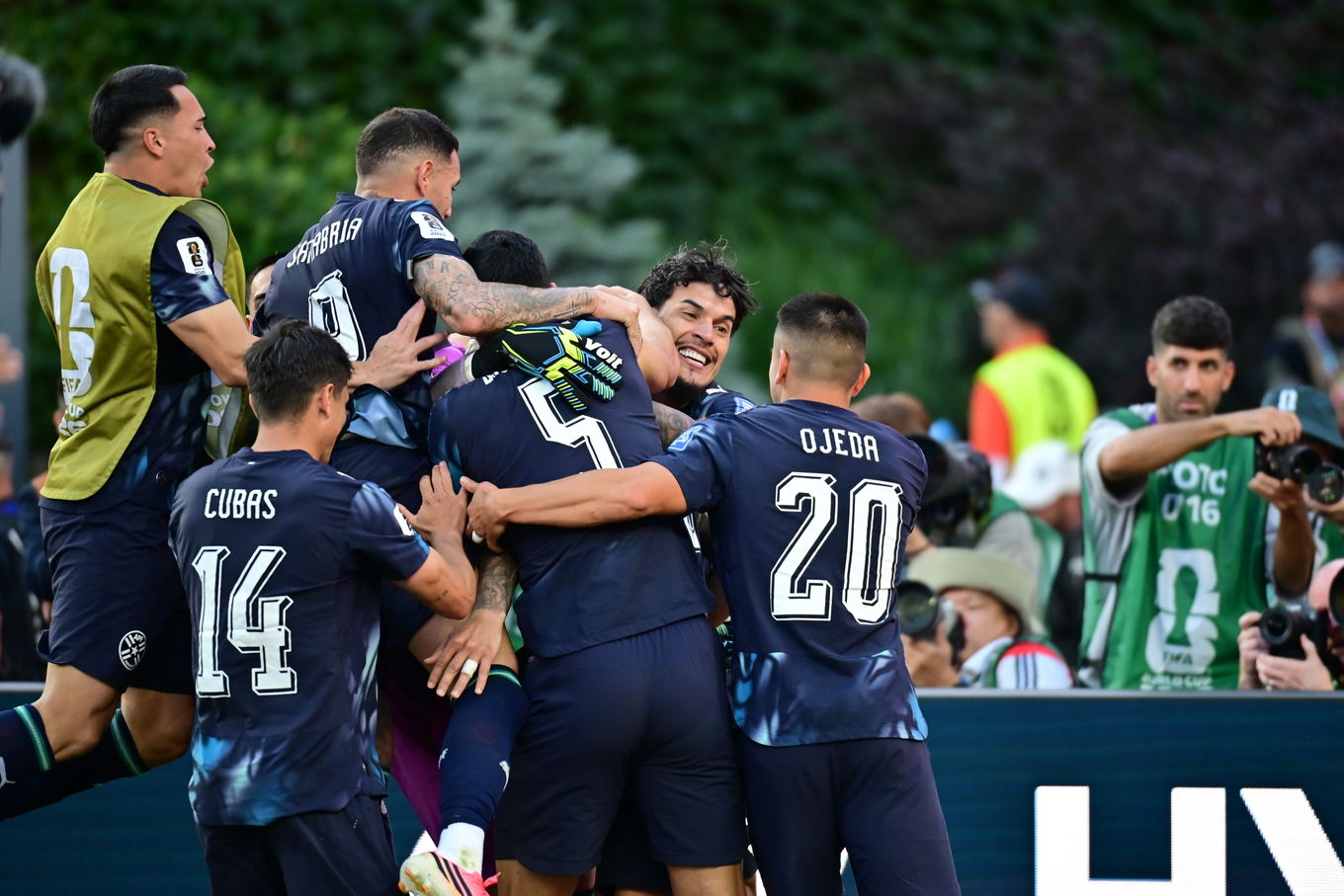
Paraguay are back at the World Cup for the first time since 2010, and the numbers say this was not a charge driven by attacking swagger. They scored just once in their opening six qualifiers, then recovered to finish sixth and book their place with an eight-point cushion over Bolivia. Gustavo Alfaro's real achievement was changing the mood and identity of a team that looked stuck.
Alfaro changed the feeling before he changed the table
This is the central point in Paraguay's return. Qualification mattered, obviously, but the route there tells you more than the final position. Alfaro inherited a side that had almost nothing going forward early in the campaign, and instead of chasing style points he gave them a clearer, harder edge.
He summed that up neatly in his own words. Speaking to BBC Sport, Alfaro said: "All I had to do was shake the tree a little so the spiders would fall off and we would realise the tree is full of fruit."
It sounds like a manager dressing up a recovery story, but the shift in results was real. After that dreadful opening stretch, Paraguay lost only one of their remaining 12 qualifiers. They did not surge by becoming expansive. They became reliable.
Alfaro also told BBC Sport: "These lads show me that football is not addition, it's multiplication." That line fits this team better than any tactical buzzword. Paraguay are not stacked with creators, and they are not a side that can simply overwhelm better opponents. What they built was collective discipline, the kind that can carry a team through qualifying even when the attack remains limited.
There is one point of uncertainty around the timeline. Sports Mole reported that Alfaro took charge in August 2024 after a poor Copa America, while BBC Sport described him as having taken charge two years ago. The precise dating is less clear than the effect. By the end of qualifying, Paraguay had turned a broken-looking start into a World Cup place.
The style is pragmatic, direct and awkward to play against
The team profile is blunt enough. Paraguay averaged 37% possession in qualifying, the lowest figure in South America. They also recorded the highest direct speed of any side in the section and the lowest average passes per possession sequence.
That is not an accident. Alfaro's side are comfortable without the ball, and they do not pretend otherwise. Their World Cup return is built far more on surviving matches well than controlling them.
The defensive numbers explain why the plan worked. Paraguay conceded only 10 goals in 18 qualifiers. For a team that averaged 0.78 goals per game, that defensive base was essential. If you score 14 times across a qualifying campaign, you cannot afford much looseness anywhere else.
That is also why this story should not be sold as a result-only triumph. The results came from a recognisable football identity: lower possession, quicker attacks, fewer risks and a lot of trust in the back line. Players such as Gustavo Gómez and Omar Alderete fit that profile naturally, and the structure around them did the rest.
The World Cup place is secure, but the attack is still the issue
Qualification with a game to spare is impressive. So is the fact that Paraguay finished sixth after that opening collapse. Still, there is no point pretending the attacking questions have disappeared.
They scored 14 goals in 18 qualifiers, with only nine coming from open play. They also failed to score in half of those matches. For all the credit Alfaro deserves, this is still a side that lives close to the edge in front of goal.
That puts extra weight on Miguel Almirón. He created 23 chances in qualifying, the most in the squad, and won possession 82 times, which says plenty about how much he has to do at both ends of the game. Almirón is still the player most likely to give Paraguay a moment, but he cannot be the whole attacking plan once the tournament starts.
The schedule is already set. Paraguay open against the USA on 13 June 2026, then face Türkiye on 20 June and Australia on 26 June. BBC Sport also listed the games as 2am BST, 4am and 3am kick-offs in the UK, while the fixture data confirms the opponents and dates rather than the broadcast times.
What looks clear already is the kind of team opponents will face. Paraguay are back at the World Cup as a stubborn, low-possession side that know exactly what they are. If they want more than a respectable return, the defending probably holds up. The attack still has to give them a bit more in June.
FAQ
Why did Paraguay qualify for the 2026 World Cup despite scoring so few goals?
Paraguay qualified because Gustavo Alfaro rebuilt the side around discipline, direct play and defensive control rather than volume in attack. They scored 14 goals in 18 qualifiers and averaged 0.78 goals per game, but they conceded only 10, lost only one of their final 12 qualifiers and recovered from scoring once in their first six matches.
How does Gustavo Alfaro's Paraguay actually play?
Paraguay play without much interest in dominating the ball. They averaged 37% possession in qualifying, the lowest figure in South America, and paired that with the highest direct speed and the lowest average passes per possession sequence. The profile is clear: defend, go forward quickly and stay hard to break down.
Is Paraguay's World Cup return about tactics or just results?
It is more than results. The turnaround matters because Paraguay looked stuck early in qualifying, scoring once in their opening six matches, and then became a disciplined, vertical team under Alfaro. The numbers back that up: only one defeat in the next 12 qualifiers, sixth place in the table and an eight-point gap to Bolivia.
Who is Paraguay relying on most going into the World Cup?
Miguel Almirón remains a key attacking reference point. He created 23 chances in qualifying, the most in the squad, and also won possession 82 times, which shows how much of Paraguay's work happens in transition and without the ball. They still need more end product around him.
Written by Sam Whitfield with AI-assisted research, cross-checked against 2 outlets. How we work →