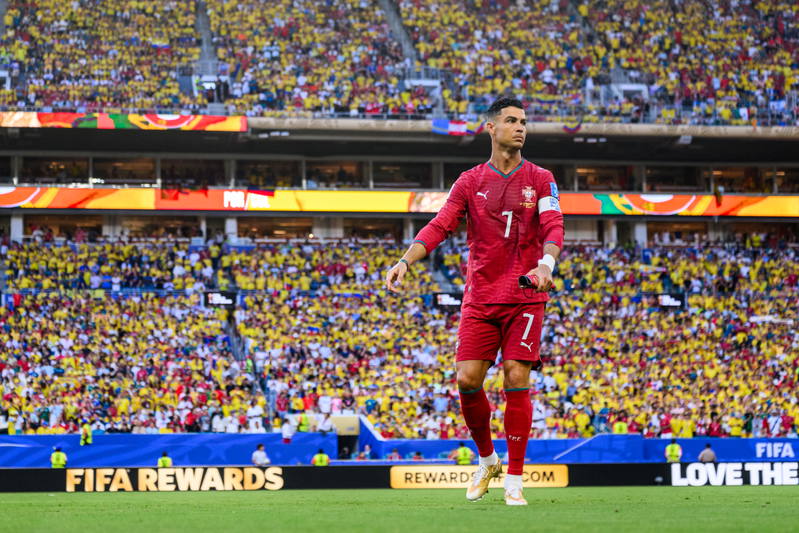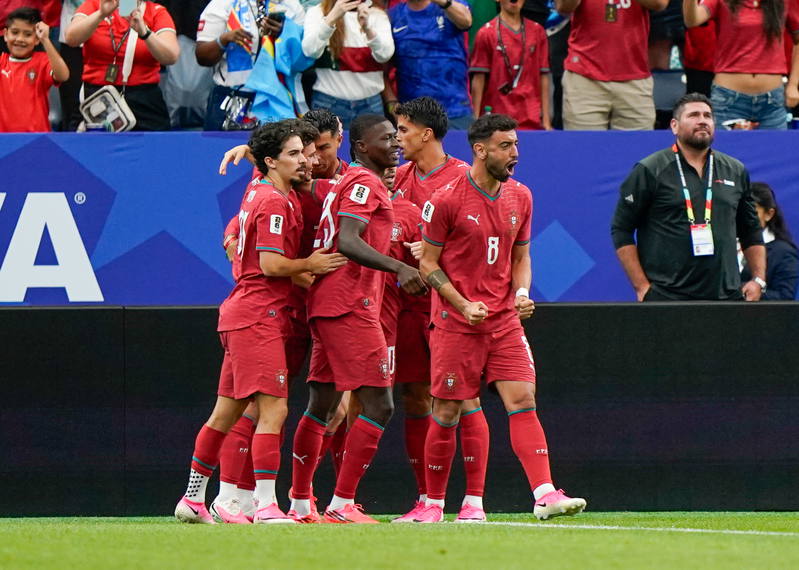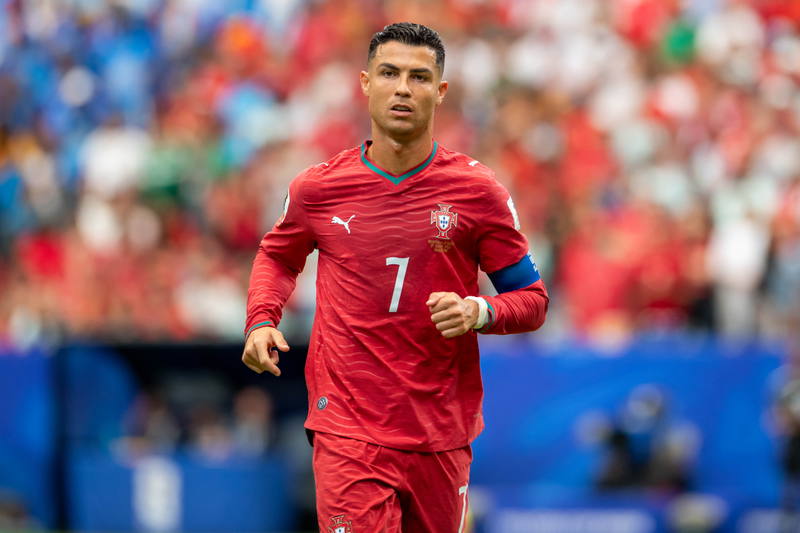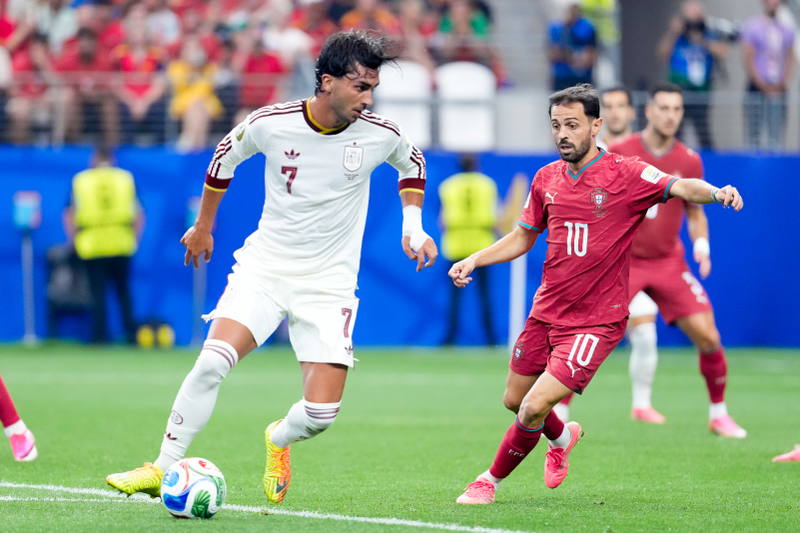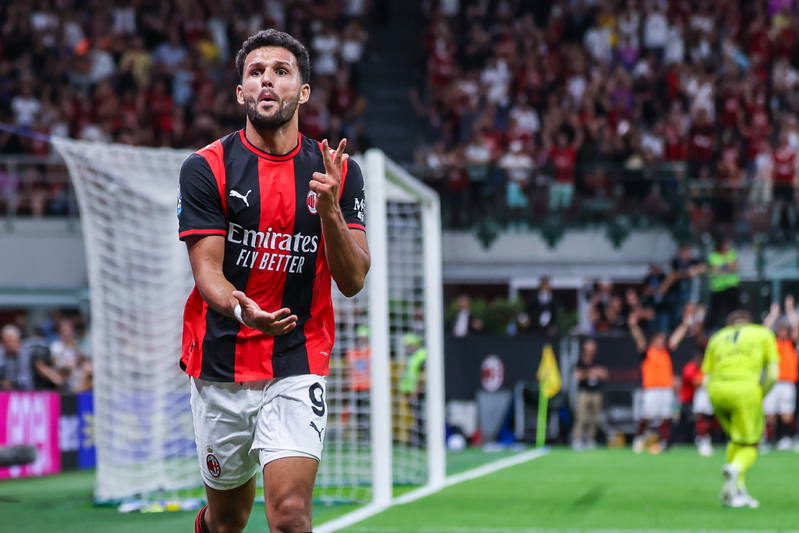


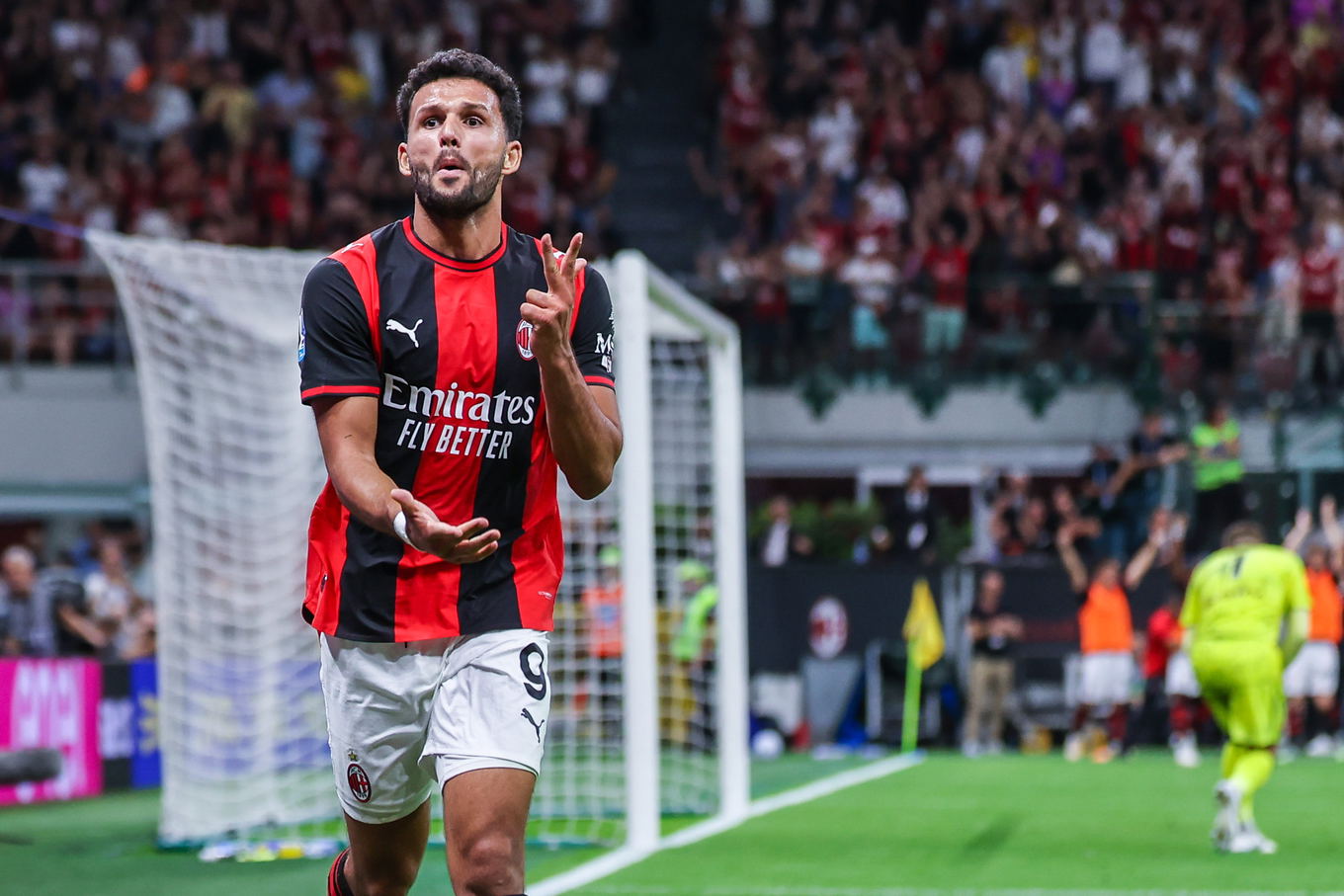
Gonçalo Ramos was Portugal's highest-rated player in the match and still came off the bench before deciding it in the 90+4 minute. Cristiano Ronaldo also started for Portugal, scored from the spot in the 68th minute and played 81 minutes in a 2-1 win over Croatia that sent Portugal into the last-16.
Ramos and Ronaldo both delivered
Ramos' 7.9 rating was the top mark on the pitch, which fits the way he changed the game in 44 minutes. He entered in the 44th minute, then finished the move that won it after Rafael Leão supplied the assist. The cleanest reading of this match is that Portugal got decisive moments from two forwards, not just one.
Ronaldo's role still matters because he was named in the starting XI at centre forward, and the selection question is not going away. Matt Law said Ronaldo not starting would have been "an absolute shock", while the line from Roberto Martínez was different in tone after the game, praising the spectacle, the fans and the conditions in Toronto. The match itself leaned closer to the first view, with Ronaldo starting and scoring, but Ramos ending up as the headline performer.
Portugal's depth showed through the numbers
Portugal did not need to ride one player through the whole evening. Diogo Costa and Nuno Mendes both earned 7.7 ratings, Rúben Dias was on 7.5, and the team had multiple high-rated performers around Ramos. That is a strong sign that the win came from a fuller attacking and defensive effort than a narrow match-winning cameo.
For Croatia, Luka Modrić played 107 minutes and Ivan Perišić scored the opener in the 53rd minute, with a 7.9 rating of his own. Croatia had quality in moments, but Portugal produced the cleaner final action and the better spread of standout performances.
The result gives Portugal the place they wanted and leaves the Ronaldo debate where it has been for a while, with evidence for both the start and the impact role. In this game, though, the most decisive attacker was Ramos, and Portugal's 2-1 win looked built on depth as much as star power.
Written by Sam Whitfield with AI-assisted research, cross-checked against 5 outlets. How we work →