

Spain arrive at this last-16 tie with the clearest control profile left in the tournament. They are unbeaten, they have not conceded across four matches, and Unai Simon's clean-sheet streak stands at 519 minutes. Against that, Portugal do not need an emotional answer so much as a tactical one: accept the ball will belong to Spain for long spells and use the spaces around Cristiano Ronaldo and Bruno Fernandes to break them.
Portugal's counter-trap against Spain's control
Spain average 67% possession, which tells you what this game is likely to look like before a ball is kicked. Luis de la Fuente's side want to pin opponents back, recover the ball quickly and keep matches in their rhythm. When a team is holding that much of the ball and has still not conceded, the usual temptation to talk about individual duels can miss the point.
Portugal's numbers from Group K suggest a side that got through efficiently rather than dominantly. They finished second behind Colombia with five points from three matches, scored six and conceded one. That is solid enough, but it also explains why this tie should be approached as a structure problem. Trying to out-pass Spain would play directly into Spain's strengths.
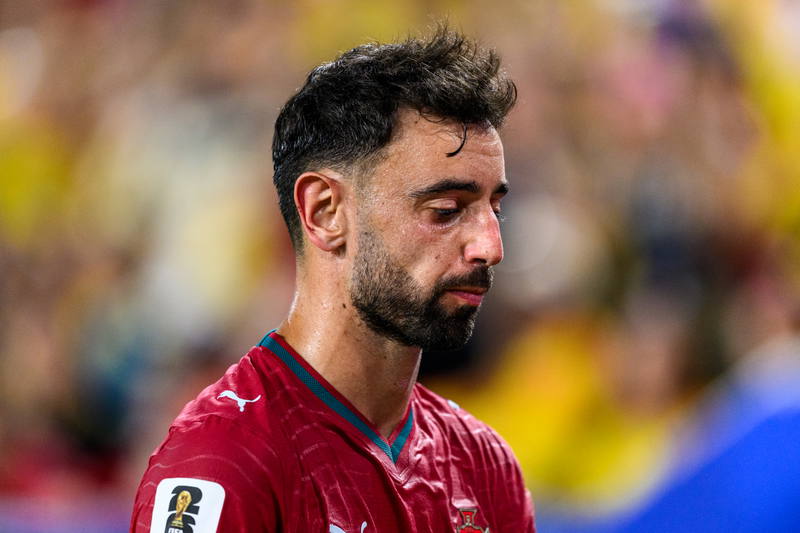
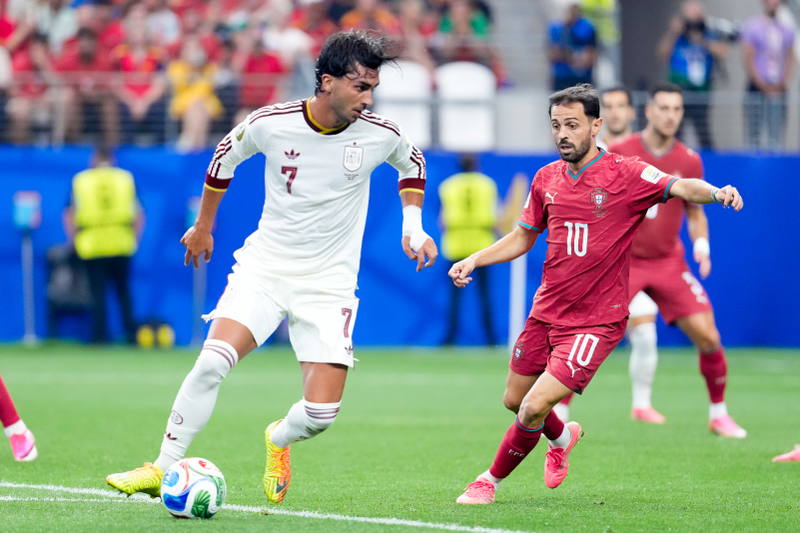
Portugal's better route is to bait pressure and then attack beyond it. That is where Fernandes' work between the lines and Ronaldo's movement ahead of him become more important than long spells of sterile possession. If Spain's midfield pushes high to support the front line, the spaces either side of the holding midfielders are the areas Portugal have to reach early.
There is a reason this tie feels different from a standard heavyweight meeting. Spain are the control team here, not just the more decorated name. Portugal can still hurt them, but probably not by making the game tidy.
Ronaldo's role and the runners around him
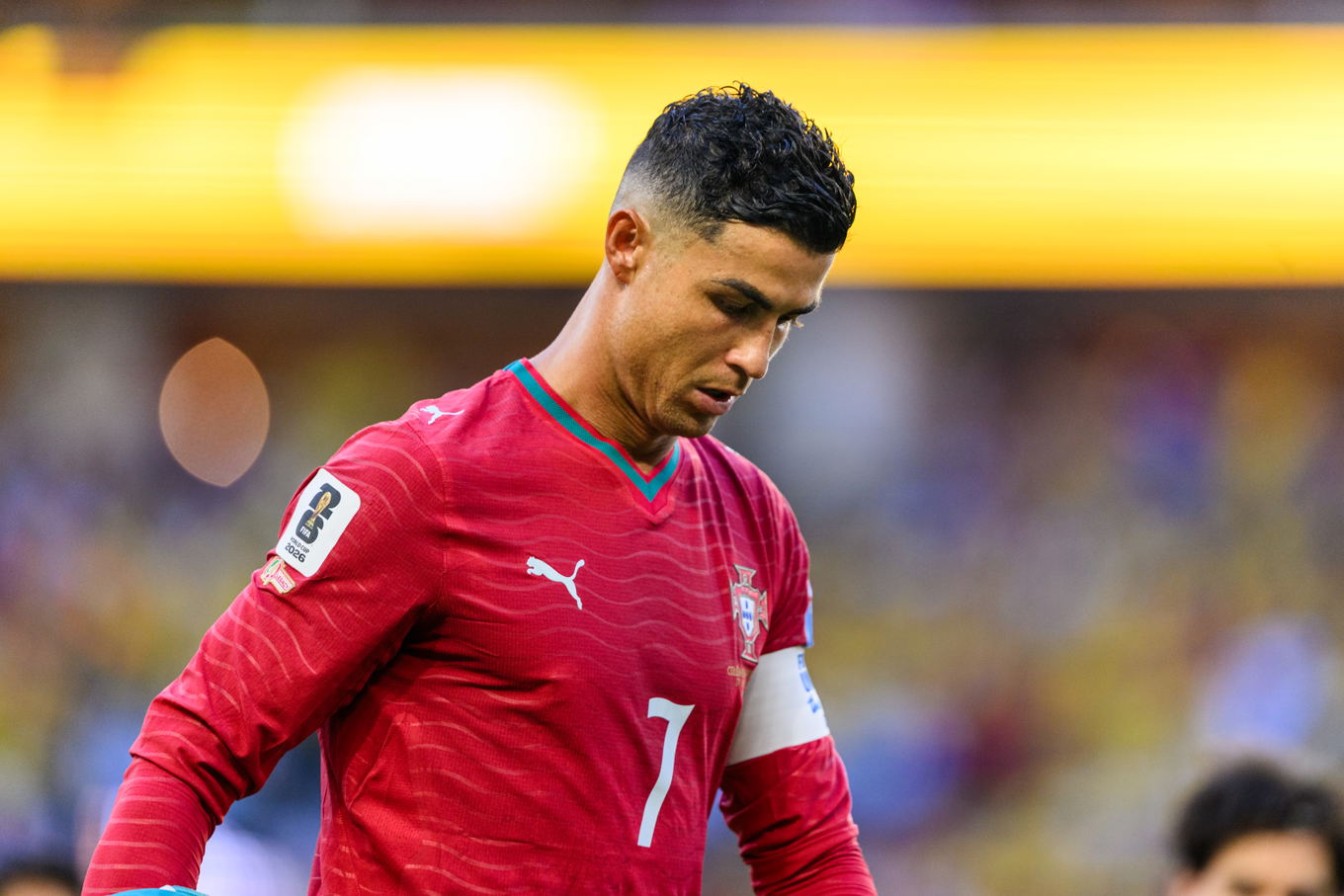
Roberto Martínez has Portugal set up in a 4-2-3-1, with Bruno Fernandes in the no. 10 role and Ronaldo leading the line. That shape matters because it frames the main selection debate properly. The question is not simply whether Ronaldo can still finish chances. It is whether he can still occupy centre-backs, pin the last line and create the gaps Portugal's runners need.
That makes the supporting cast just as important. Gonçalo Ramos remains a real option after scoring once in 44 minutes in Portugal's most recent World Cup match. His rate of a goal or assist every 37 minutes at the World Cup is a derived figure, but it still underlines why Martínez has an alternative if he wants more running power or a different reference point up front.
Ronaldo, though, is not entering this tie on sentiment alone. He played 81 minutes in the most recent outing and scored once against Croatia. The stronger case for starting him is tactical rather than nostalgic. Portugal need a forward who can keep Spain's centre-backs honest long enough for the second wave to arrive.
That is also why the wide threat matters. Lamine Yamal, Mikel Oyarzabal and Pedri give Spain control and incision in different zones, so Portugal need direct running of their own whenever the ball turns over. The game can get away from Portugal very quickly if every regain ends with a safe pass back into traffic.
Emotion will be part of the background after the recent tributes to Diogo Jota and his brother André Silva. Martínez told si.com: "Our players enjoyed it for Portugal, for Ricardo Carvalho's father, and for our Diogo Jota and André. It was a typical Diogo game. 2–1, which is number 21, against Croatia, which was the last team he scored against, at Jamor. Many signs. Diogo showed a lot of strength and energy. Now he's very happy and proud."
Ronaldo struck a similar note after that win, saying: "We know he is present with us and it only made sense to win today to honor him in the best way." Those emotions are real, but they should not distract from the football question that decides this tie.
The history and the noise around it
The easy reference point is the 3-3 draw in the 2018 World Cup, when Ronaldo scored a hat-trick against Spain. It is an obvious part of the build-up, and fair enough. It is also a risky game to lean too heavily on one night.
The broader record still favours Spain. Across 41 meetings since 1921, Spain have 18 wins and Portugal 7. That does not decide Friday's tie, but it does stop the 2018 draw being used as proof of a recurring edge.
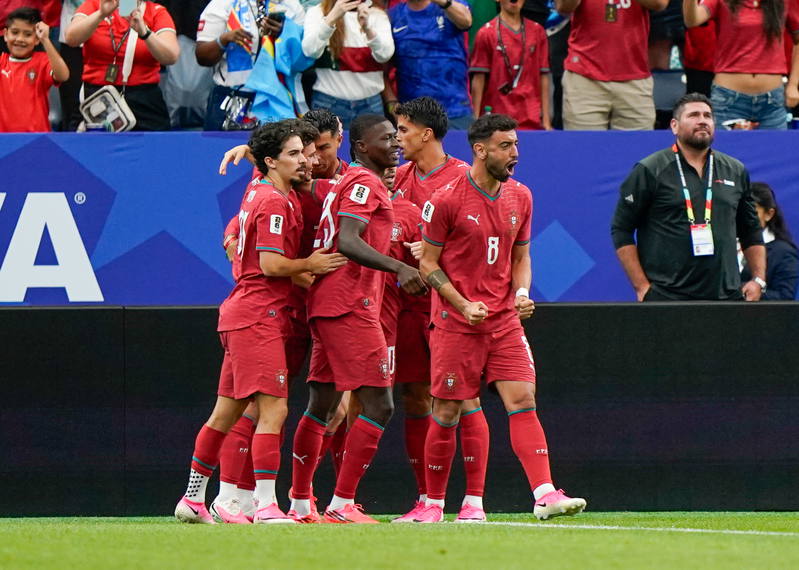
There is some noise from Portugal's last match too. Their win over Croatia was settled by a 94th-minute Ramos goal, before a late equaliser was ruled out by VAR. Zlatan Ibrahimovic called the decision "a robbery" on goal.com and argued that Renato Veiga touched the ball. The problem with turning that moment into certainty is that the technology-backed explanation and the broadcast angles have both been disputed, so the cleaner read is simply that the controversy exists and the final call stood.
For Portugal, that result was useful but not especially instructive for this tie. Spain will ask very different questions. They will monopolise the ball, force long defensive phases and test whether Ronaldo can still lead the line in a game built on waiting, then exploding into space.
That is why this last 16 is less about whether Portugal can match Spain for control and more about whether they can make Spain uncomfortable without it. Spain's 519-minute shutout streak and 67% possession average make them the safer pick, but Portugal have a clear route if Fernandes finds those half-spaces and Ronaldo keeps the centre-backs occupied on Friday.
FAQ
Will Cristiano Ronaldo start for Portugal against Spain?
The decision is still a real dilemma rather than a settled call. Portugal are set up in a 4-2-3-1 with Ronaldo leading the line and Bruno Fernandes as the no. 10, but the stronger tactical case is about Ronaldo's movement creating space rather than treating him as the whole attacking plan.
Why have Spain been so hard to break down at the World Cup?
Spain have not conceded across four matches and Unai Simon carries a 519-minute clean-sheet streak into the last 16. They also average 67% possession, which lets them control territory and deny opponents long attacking phases. That combination has made them the tournament's clearest control side so far.
How can Portugal hurt Spain in the last 16?
Portugal's best route is to accept that Spain will dominate the ball and try to attack the spaces Spain leave when they push high. Fernandes' work in the half-spaces, direct running from wide areas and Ronaldo's movement up front give Portugal a more realistic route than trying to out-possess Spain.
Does Portugal's 3-3 draw with Spain in 2018 mean they have the edge now?
It adds drama, not certainty. Portugal and Spain drew 3-3 in their most recent World Cup meeting, with Ronaldo scoring a hat-trick, but the wider head-to-head still leans Spain's way with 18 wins from 41 meetings, compared with Portugal's 7.
- bavarianfootballworks.com
- bbc.co.uk
- givemesport.com
- goal.com
- mirror.co.uk
- si.com
- sportsmole.co.uk
- standard.co.uk
- thehardtackle.com
Written by Daniel Hartley with AI-assisted research, cross-checked against 9 outlets. How we work →