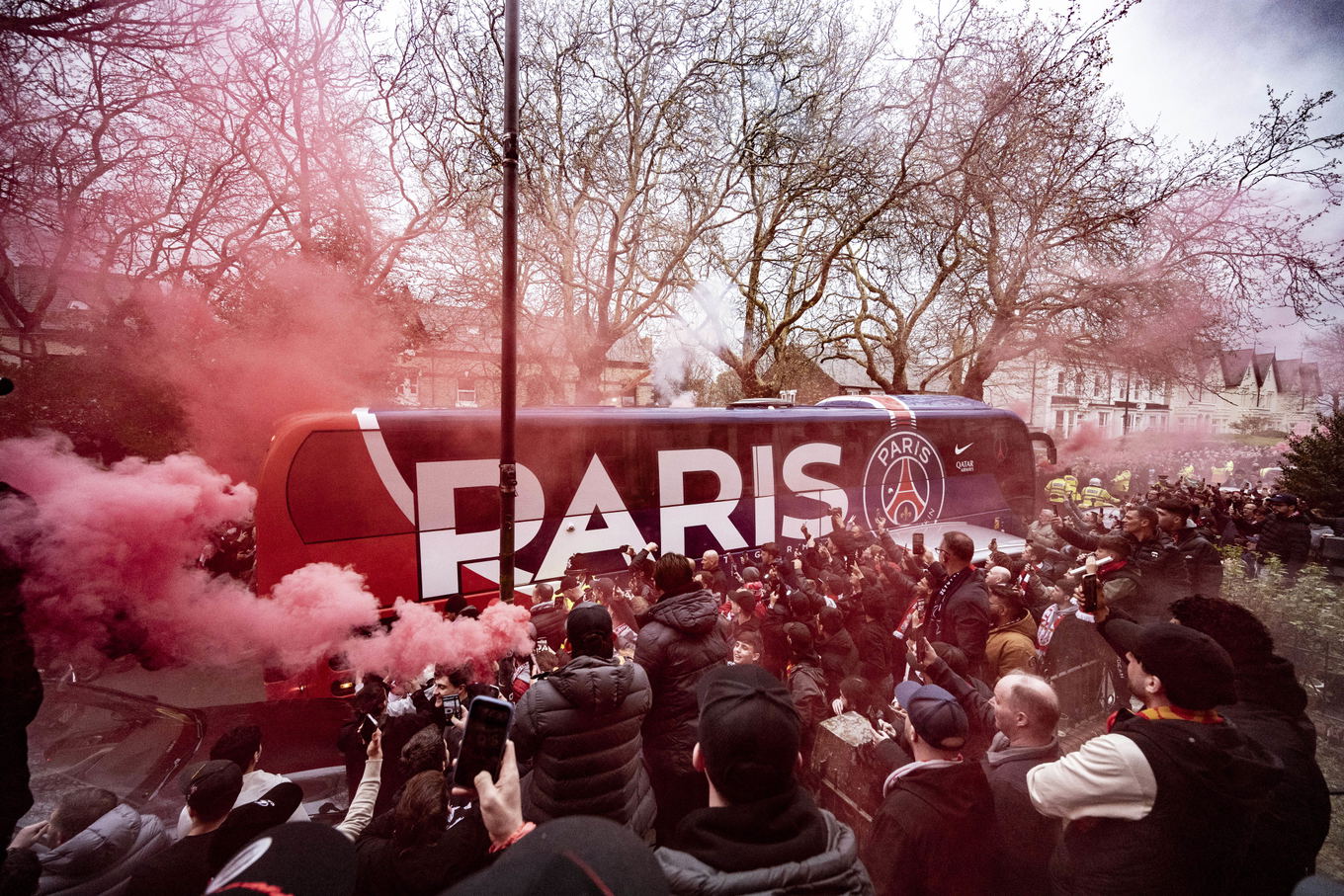
Paris Saint Germain are trying to become continental champions for a third straight season, but the oddest part of their run is how ordinary they have looked before the knockouts. They won the Champions League after finishing 15th and 11th in the league phase in those two title-winning campaigns. That is a hard fact to ignore when the competition keeps presenting the holders as the benchmark side in Europe.
PSG's league-phase problem
The numbers are awkward for anyone who wants to sell the league phase as the cleanest test of Europe's best side. PSG's 11th-place finish came in the season they won the trophy, and the previous triumph followed a 15th-place finish. Those are not the marks of a team that controlled the first stage from start to finish.
Their 2025 run was functional rather than dominant. PSG finished with 14 points from eight matches, scoring 21 goals and conceding 11. They also needed to go through the punishment play-off round in both title-winning campaigns, which only adds to the sense that they were not cruising when the format wanted them to.
Miguel Delaney has called the league phase "wallpaper football", and the complaint is not hard to understand when a side can sit in 15th or 11th and still go on to win the competition. Arsenal's first-place finish in the same competition shows the league phase can still reward a team that handles it properly, but PSG are the reminder that it is not a perfect filter.
Why the holders still fit the dynasty case
BBC's framing is more flattering to PSG, and it is not a weak one. The club are being discussed alongside Real Madrid, Inter, Benfica, Liverpool, Bayern Munich, Barcelona and AC Milan in the conversation about Europe’s great dynasties. That is where back-to-back titles put them now, even if the route to those titles was messier than the cleanest European powers usually manage.
Nasser Al-Khelaifi summed up the shift after the club moved away from its old spending model: "It's the end of the glitter". BBC's argument is that the transition into a more coherent team under Luis Enrique helped deliver the two Champions League triumphs. That does not settle the format debate, but it does explain why PSG can look like a team built for the sharp end of the tournament rather than the early table.
The stronger view is probably that both arguments hold some weight. The league phase has lost some of its authority when PSG can drift through it and still lift the trophy, yet the same runs also show that the competition now leaves enough room for elite teams to recover, reorganise and peak later. PSG are not asking to be judged as an all-time front-runner in the opening stage. They are asking to be judged by what they do after it, and the answer has already been two titles in a row.
Written by Sam Whitfield with AI-assisted research, cross-checked against 2 outlets. How we work →