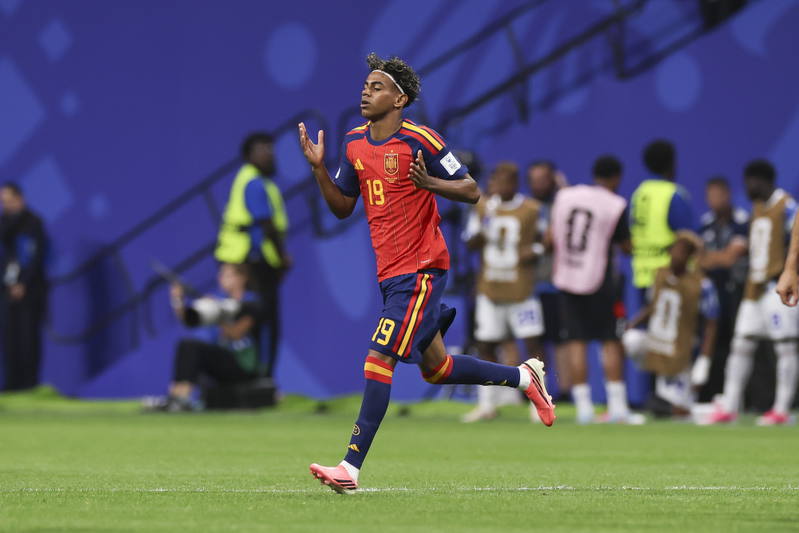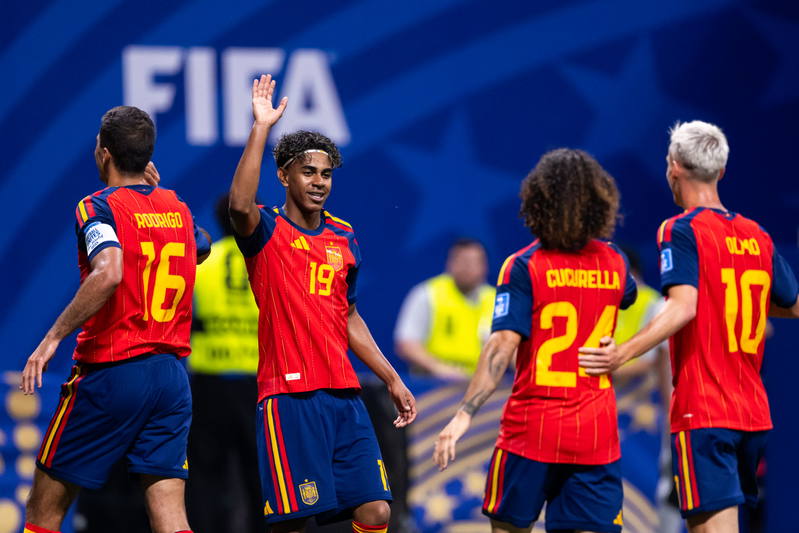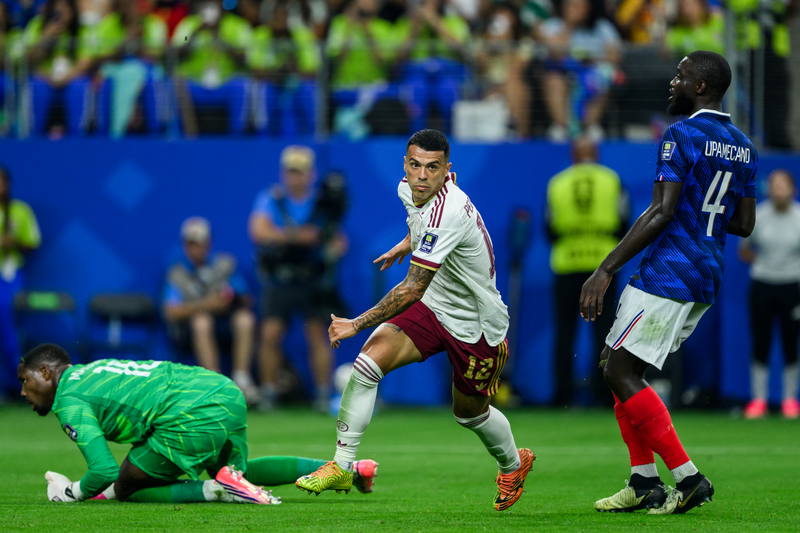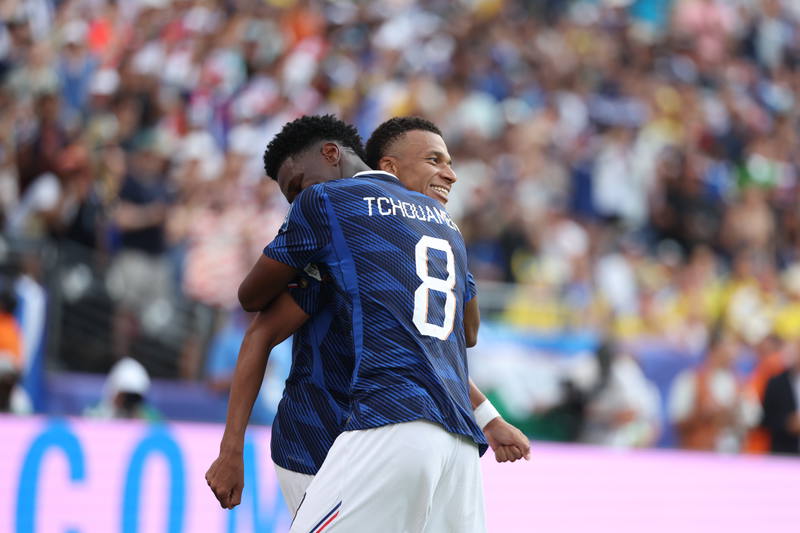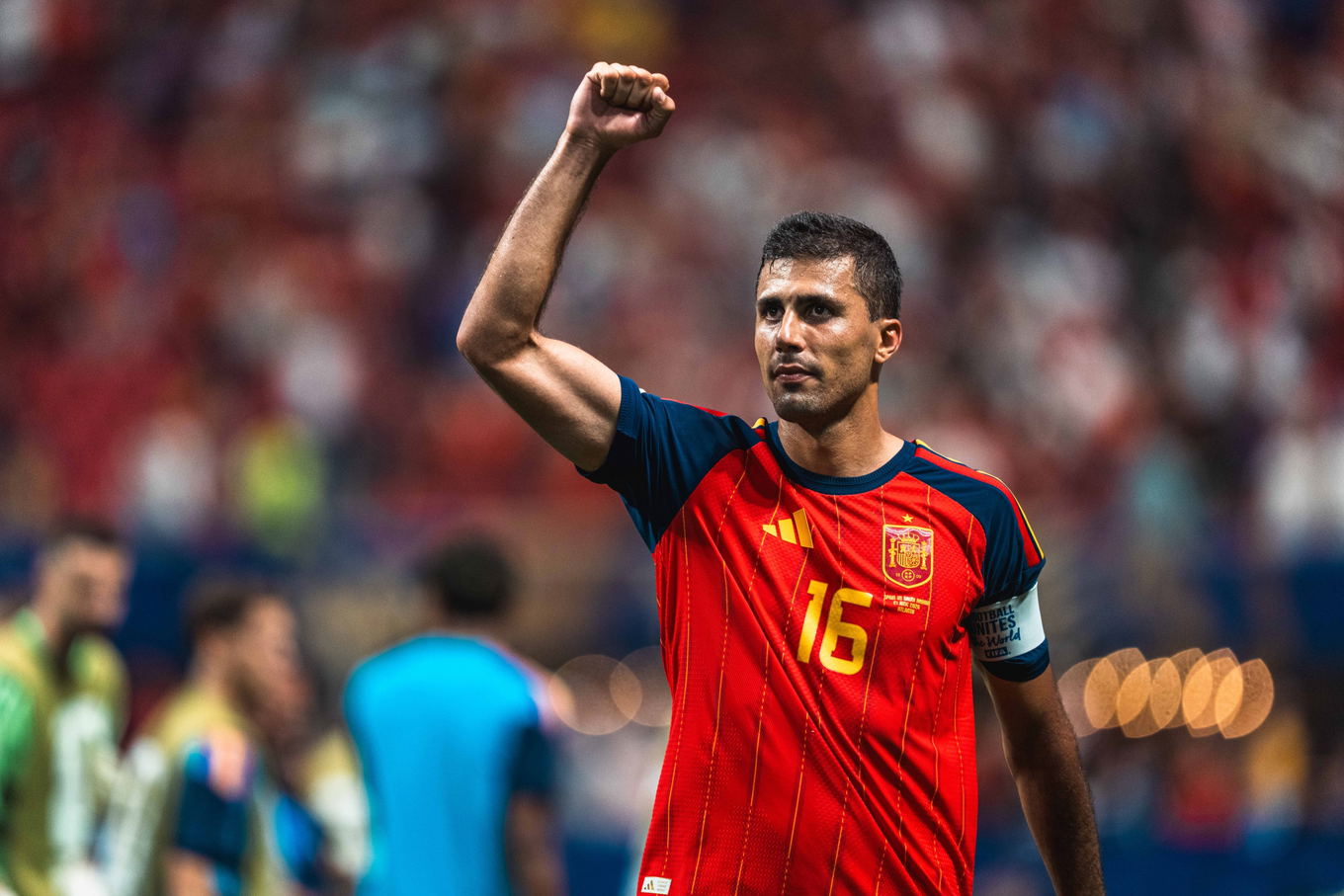
Rodri spent the Spain vs Argentina final doing what elite holding midfielders do at their best: deciding the speed of the game and who gets to play it. Spain beat Argentina 1-0, but the bigger point was how one-sided long stretches felt. Spain had 65% possession, 1.94 xG and 20 shots, with 11 on target, while Lionel Scaloni's side failed to register a shot in the opening 90 minutes.
Rodri's grip on the middle of the pitch
The final was shaped by Spain's control in central areas, and Rodri was the clearest expression of it. He completed 106 passes in 99 minutes and finished with an 8.2 rating, the standout figure among Spain's midfielders. Those numbers fit the eye test. Every time Argentina tried to make the game messy, Spain pulled it back into their own rhythm.
Spain completed 852 passes overall. Argentina managed 464. That gap matters less as a possession stat than as a description of territory and authority. Spain were deciding where the match was played, and Argentina were spending too much of it without the ball.
That is where Lionel Messi became a peripheral figure. Argentina did not have a shot in the opening 90 minutes, the first team in World Cup history to go through a final without one in normal time. When a side cannot progress the ball cleanly and cannot sustain attacks, even Messi becomes easier to isolate.
Alan Shearer put it plainly on BBC Sport: "There is no doubt that the right team won. From start to finish, Spain controlled possession. They were the ones looking to play football, create chances and get in behind. This is a result for football because of the way that they have played. Spain deserve it."
That verdict feels hard to argue with. Spain's 1.94 xG and 20 shots show this was not sterile possession. They had the ball and they turned it into pressure.
Spain's structure left Argentina chasing
Rodri was the hub, but he was not working alone. Unai Simón finished with a clean sheet behind a team that gave away almost nothing in normal time. At the back, Pau Cubarsí completed 126 passes, one of only two Spain players to go beyond 100 on the night. That is a huge number for a centre-back in a final and another sign of how comfortably Spain played through Argentina's press.
Further forward, Ferran Torres and the rest of Spain's attack kept Argentina pinned back often enough for midfield control to become territorial control. The game was not only about passing for passing's sake. Spain were the side creating the better chances and keeping the ball in areas that made Argentina defend for long spells.
There is a wider point here about this Spain side. The performance looked mature rather than reactive, which is why the unbeaten run now sits at 38 matches in all competitions, according to BBC Sport. That kind of streak always needs careful handling across eras, but it still underlines how stable this team has become.
Lamine Yamal also added another marker for Spain's next generation. He was 19 years and six days old, becoming the third-youngest player to appear in a World Cup final and the third-youngest winner. Spain won the biggest match in the sport with young players playing like established internationals.
Argentina's collapse after the football had gone
The football story was already clear before the final became bad-tempered. Argentina's frustration spilled over late. Leandro Paredes was first booked for dissent and later sent off at 120 minutes for violent conduct. Enzo Fernández was first booked for dissent and then shown a second yellow for a late challenge that sent Pau Cubarsí Paredes somersaulting.
After the final whistle, Paredes was involved in scraps with Rodri, Gavi and Borja Iglesias, while Nahuel Molina was seen throwing a punch at a Spain player. Wayne Rooney's reaction on BBC Sport was blunt: "Embarrassing, seeing that sort of stuff after the game has been played. Someone has been crowned World Cup champions. It is not good enough. Paredes is better than that. It doesn't stop there. He keeps going and going."
The mess at the end did not change the substance of the final. Spain were the better side before tempers went. Scaloni admitted as much on BBC Sport: "They deserved the victory, that is the reality."
That is the right conclusion. Spain won 1-0, but the scoreline was narrower than the performance. Rodri's 106 passes, Spain's 852 as a team, and Argentina's zero shots in 90 minutes explain why this final felt settled long before the final whistle.
FAQ
Why did Spain control the World Cup final against Argentina?
Spain controlled the ball and the game. They had 65% possession, completed 852 passes and produced 1.94 xG from 20 shots, 11 of them on target. Rodri set the rhythm with 106 completed passes, while Argentina managed 464 passes and failed to register a shot in the opening 90 minutes.
How well did Rodri play in the Spain vs Argentina final?
Rodri was central to Spain’s win. He completed 106 passes in 99 minutes and posted an 8.2 rating, the best among Spain midfielders. More than the raw numbers, he kept Spain’s tempo steady and helped keep Argentina pinned back for long stretches of the final.
Did Lionel Messi have any shots in the World Cup final against Spain?
Argentina had no shots at all in the opening 90 minutes of the final, so Messi was largely isolated during the main part of the match. Spain’s control of possession and territory kept Argentina chasing the ball rather than building attacks through him.
What happened with Argentina’s discipline late in the World Cup final?
The closing stages turned ugly. Leandro Paredes was first booked for dissent and later sent off at 120 minutes for violent conduct. Enzo Fernández was also booked twice, and after the whistle Paredes was involved in scraps with Rodri, Gavi and Borja Iglesias, while Nahuel Molina was seen throwing a punch at a Spain player.
Written by Daniel Hartley with AI-assisted research, cross-checked against 2 outlets. How we work →