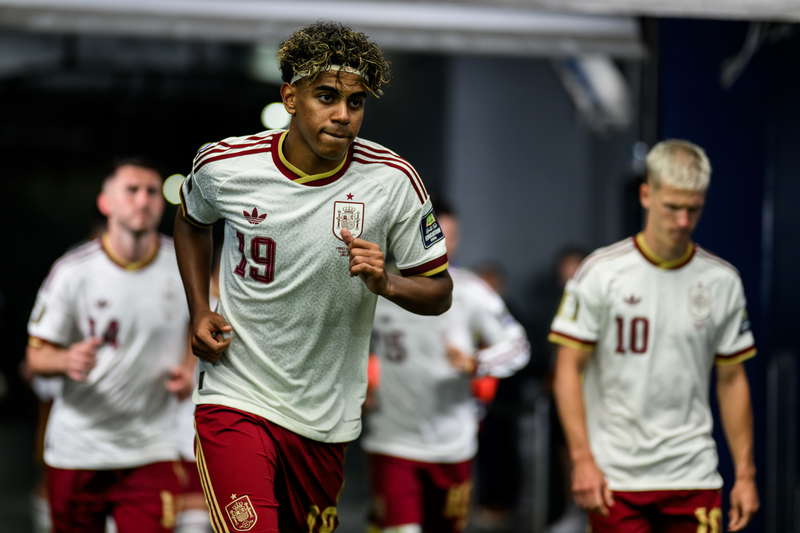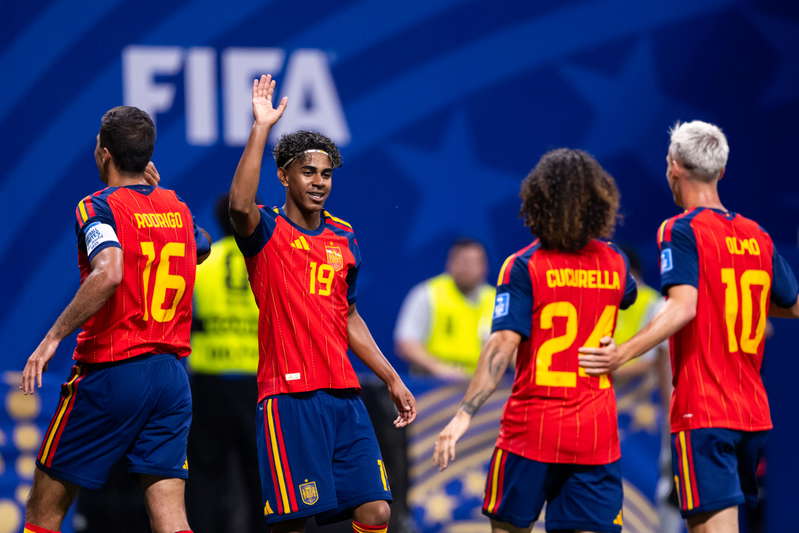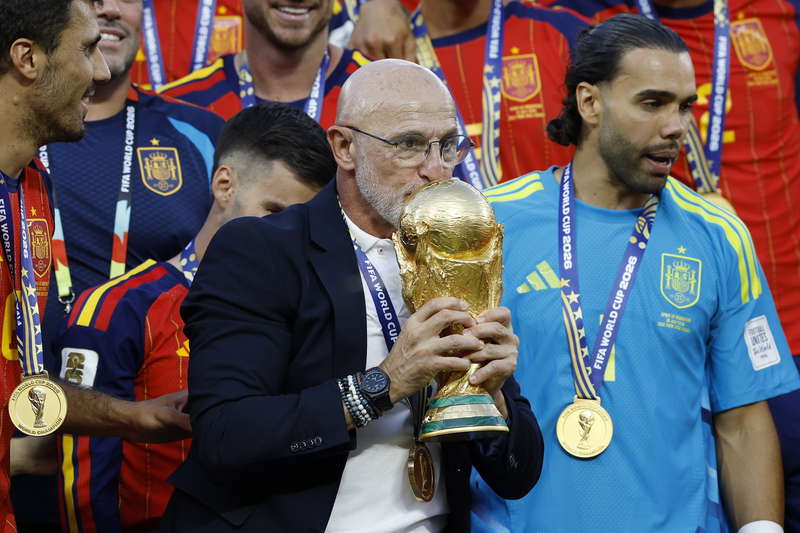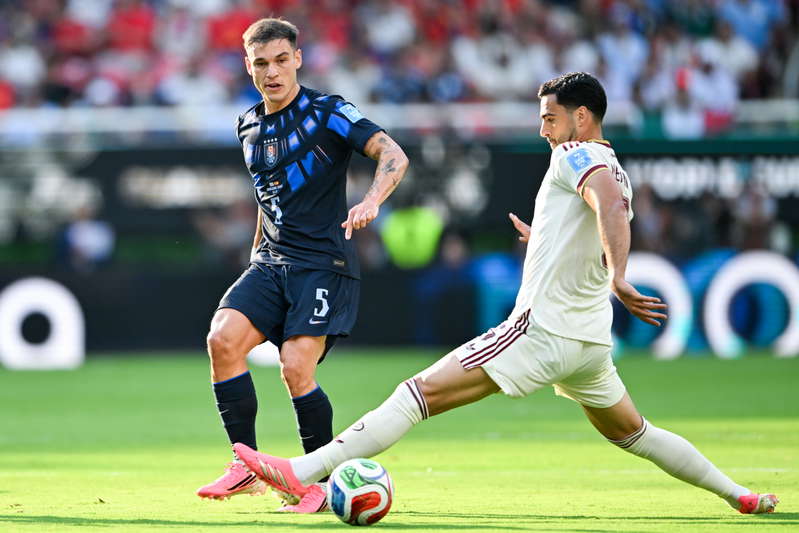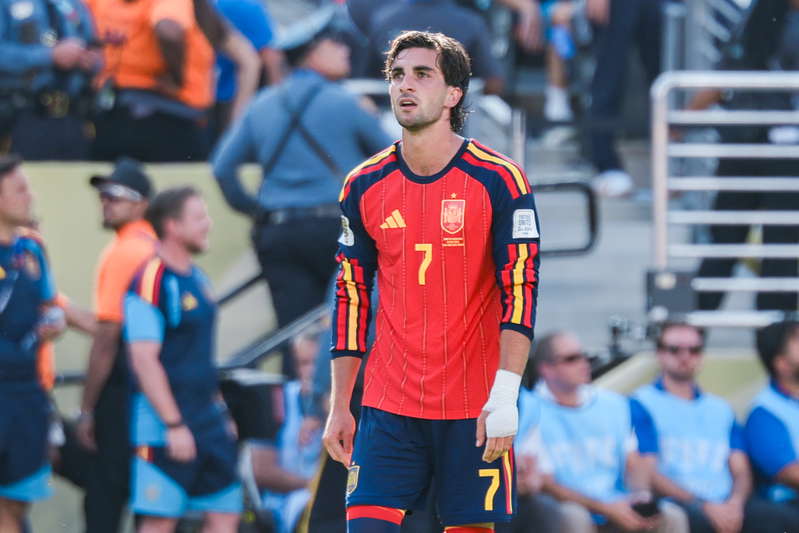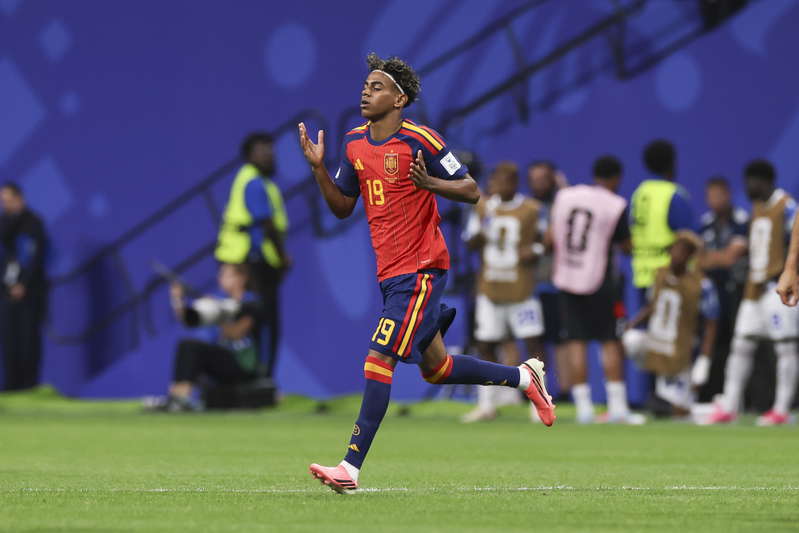


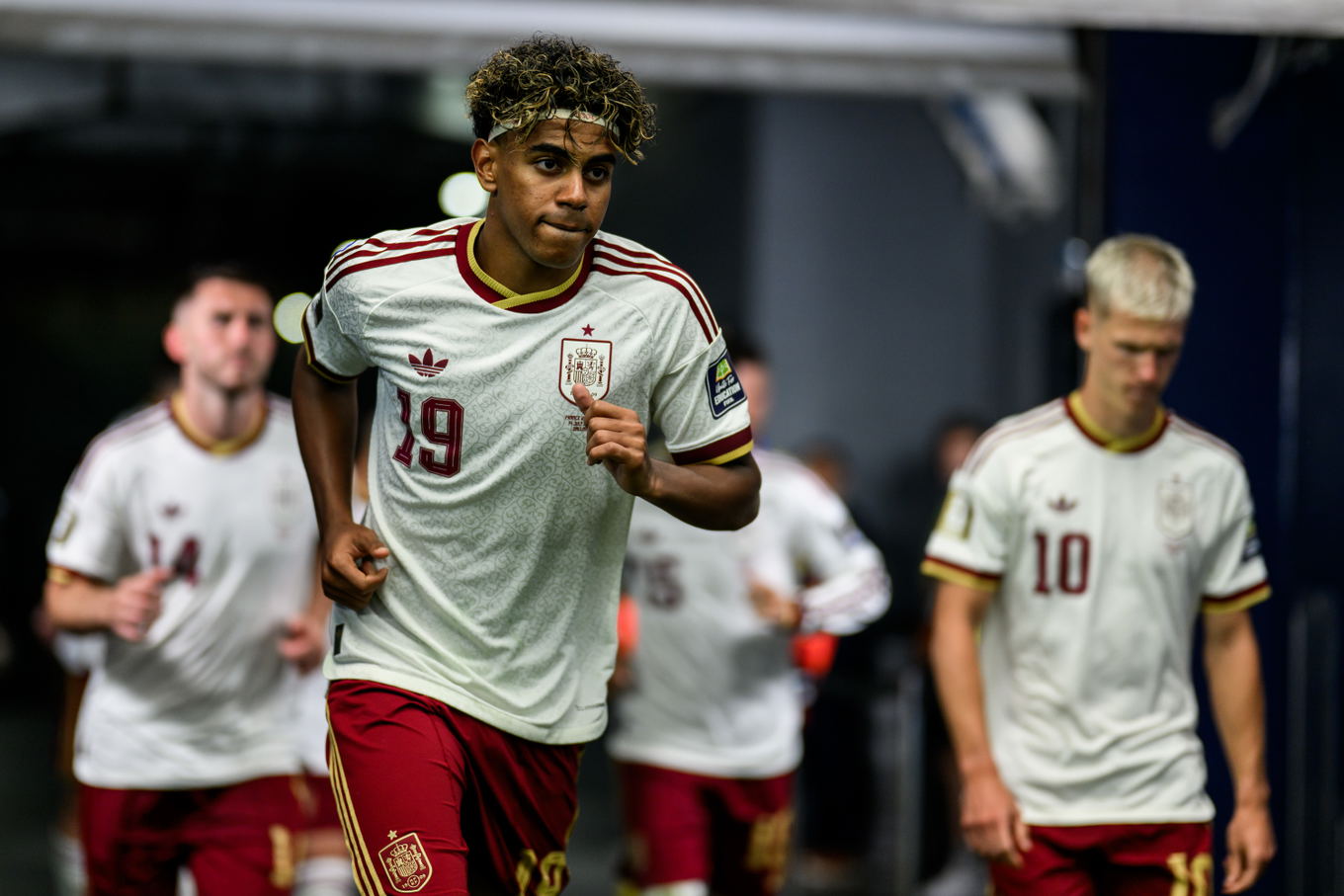
"If all of the gloves were able to speak that I have used throughout the entire tournament, what they would tell you is that, at the end of the day, they didn't have to really work as hard as other keepers." Unai Simón said it at the post-match press conference, and the numbers behind that statement are staggering. Spain won the 2026 World Cup with a defensive record so complete that their goalkeeper won the tournament's top individual honour while barely lifting a finger.
Simón collected the Golden Glove despite recording just 14 saves across the entire tournament. That is not an aberration or a generosity from the voting panel. It is proof that the award went to the goalkeeper of the best defense, not the goalkeeper with the best individual display. Argentina's Emiliano Martínez, by comparison, made 11 saves in the final match alone - more than three-quarters of Simón's entire tally across seven games.
The contrast is instructive. In that final, Spain outshooting Argentina 20-2 revealed the true story of this World Cup run. Argentina did not launch their first shot until deep into extra time. The issue was not Simón's brilliance but the defensive pressure Spain exerted so relentlessly that chances barely materialised. This was not goalkeeping excellence; it was a defensive system so elite it rendered the goalkeeper almost irrelevant.
The architecture of Spain's defensive dominance
Simón's 14 saves reflect a specific defensive philosophy built by Luis de la Fuente. Look at the clean sheets: Spain conceded just one goal across the entire tournament, breaking the previous joint record of two goals set by 2010 Spain, 2006 Italy, and 1998 France. Belgium scored that single goal in a 2-1 quarter-final win - the only occasion Spain's backline faltered under pressure.
Everyone else left empty-handed. France, one of the tournament's leading scorers, could not find the net. Argentina, a side built around Messi's creativity and clinical finishing, faced clean sheet after clean sheet. Spain did not have to weather onslaught. They prevented the onslaught entirely through positioning, transition speed, and collective discipline.
That is not luck. It is the product of systematic organisation. De la Fuente inherited a template from his predecessors but has refined it into something almost unbeatable. He has now won the Nations League in 2023, Euro 2024, and the World Cup in 2026, all within less than four years. Three trophies in 46 months reflects consistency of structure rather than individual brilliance or tactical novelty. The same defensive principles that locked down opponents in Germany during Euro 2024 proved equally effective on the World Cup stage.
Spain's unbeaten run stretches to 38 consecutive matches from March 2024 through the final in July 2026. Neither a draw nor a loss in that span. That longevity suggests something deeper than the form of one goalkeeper or the health of one striker. It points to a team-wide commitment to defensive shape, positioning, and transition speed that is rare at the highest level.
The humility behind the award
Simón's post-match deflection of praise toward his backline was not false modesty. It was accurate reporting. The goalkeeper who won the Golden Glove recognised immediately that the honour belonged to the eleven players in front of him. His gloves did not have to work hard because the defense made the attackers' jobs nearly impossible. Fewer shots create fewer saves. Fewer saves mean the goalkeeper's contribution, while still elite, becomes a sideshow to the real story.
This is the measure of De la Fuente's achievement: a goalkeeper wins the tournament's best individual award by being almost unnecessary. Simón could claim brilliance, could cite the reflexes and positioning that won him the honour. Instead, he chose to acknowledge that his job was made simple. That choice reveals the collective-over-individual culture this Spanish team has built, and it is that culture - not any single player - that will define this World Cup victory.
FAQ
How many saves did Unai Simon make at the World Cup?
Simon made 14 saves across all seven matches - a record low for a Golden Glove winner. His minimal tally reflects Spain's elite defense, which conceded just one goal in the entire tournament. Belgium scored in the quarter-final; France, Argentina, and every other team left empty-handed.
Why was Spain's defense so dominant in the 2026 World Cup?
Luis de la Fuente built a systematic defensive structure focused on positioning, transition speed, and collective discipline. Spain kept clean sheets against France and Argentina, two of the tournament's leading scorers. In the final, Spain took 20 shots to Argentina's two, demonstrating the relentless pressure Spain applied.
Did Unai Simon take credit for Spain's World Cup title?
No. Simon immediately credited his backline, saying his gloves 'didn't have to work as hard' because of his teammates. He recognized that elite defending, not individual goalkeeper brilliance, won the tournament - reflecting the collective-over-individual culture De la Fuente has built.
How many major tournaments has Luis de la Fuente won with Spain?
Three in less than four years: the Nations League in 2023, Euro 2024, and the 2026 World Cup. This consistency reflects a systematic approach to defensive organization that has proven effective across different tournaments and opponents.
Written by Daniel Hartley with AI-assisted research, cross-checked against 1 outlet. How we work →