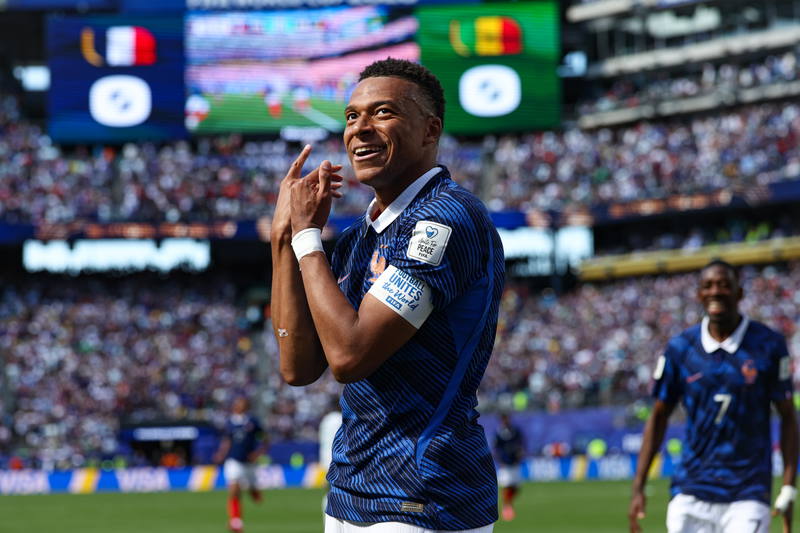
Adrien Rabiot left France's opening World Cup win with his own performance in the numbers and his complaint about the surface stealing the rest of the attention. France beat Senegal 3-1 at the New York New Jersey Stadium on Tuesday, and Rabiot played the full match, assisted Bradley Barcola for France's second goal, then told the BBC: "The pitch... I don't even know if you can call it that. It felt more like an artificial surface - quite hard and quite rigid".
Why the pitch talk is sticking
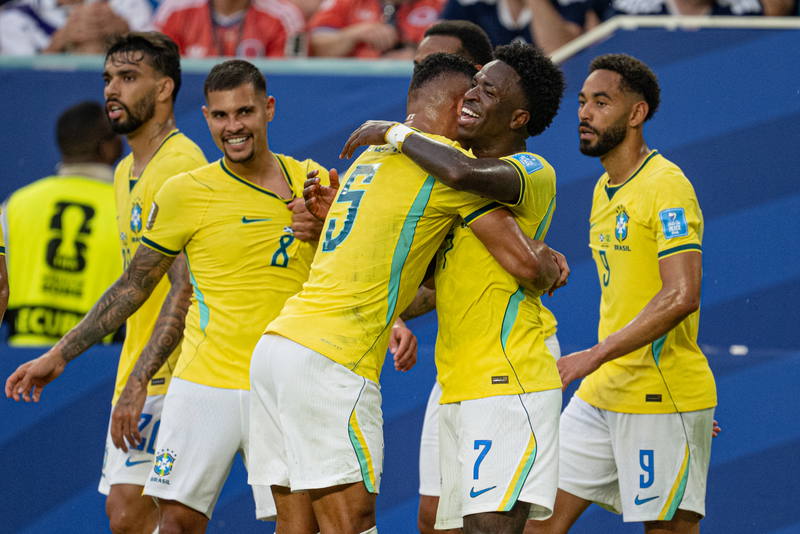
The complaint was not a one-off grumble. Vinícius Júnior backed up the same point, saying: "In the second half, with the heat, the pitch dries out very quickly. The game becomes very sluggish and we can't get into our rhythm". That is the more damaging line for the venue, because it comes from a different player and points to the same problem.
The stadium is also known as MetLife Stadium, and it will host England's final group game against Panama on 27 June and the World Cup final on 19 July. The venue has a temporary grass pitch installed for the World Cup in place of its artificial surface, but the old turf's reputation is already part of the conversation. The 78,576-capacity ground is supposed to be one of the tournament's major stages, so scrutiny will only rise if players keep saying the surface is affecting the game.
France still got the result
The pitch debate should not hide the football completely. Kylian Mbappé scored twice and rated 8.2, Bradley Barcola scored in 19 minutes and rated 7.9, and Rabiot's own 7.5 rating came with 99 minutes played and one assist. France did enough to win comfortably, but the bigger story after the opener was the state of the grass, not the scoreline.
Didier Deschamps will not care much about the noise as long as France keep winning, but the venue has already become part of the tournament's early conversation. If the same complaints follow MetLife through the rest of the World Cup, the pitch will keep getting the first word.
Written by Sam Whitfield with AI-assisted research, cross-checked against 2 outlets. How we work →