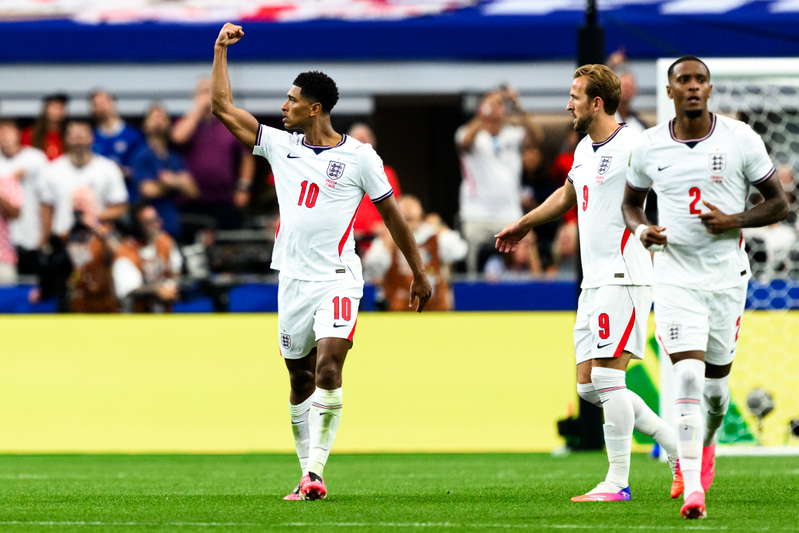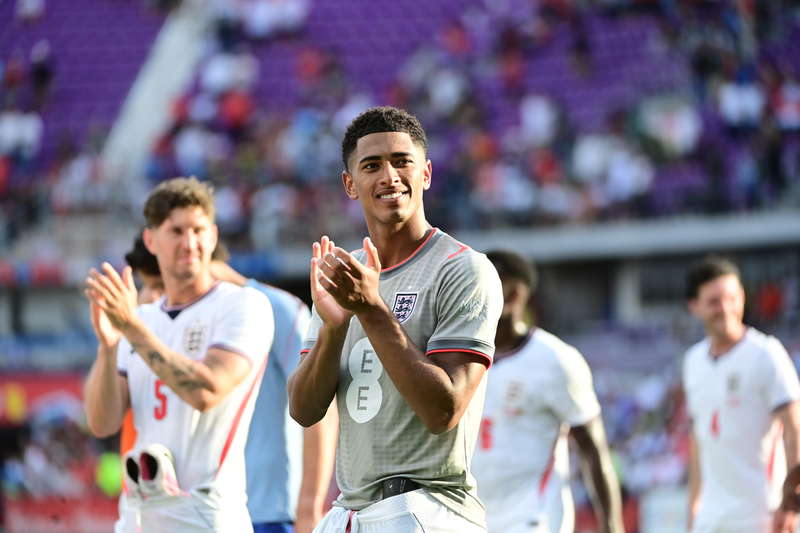


England's 0-0 with Ghana was not about effort. It was about a system that looked sharp enough against Croatia, then ran into a much deeper and more disciplined block in England vs Ghana. England had 111 passes in the opening 12 minutes, Ghana only 14, yet the game still drifted towards stalemate because the first phase of possession never became a clean chance.
Ghana's block blunted England's build-up
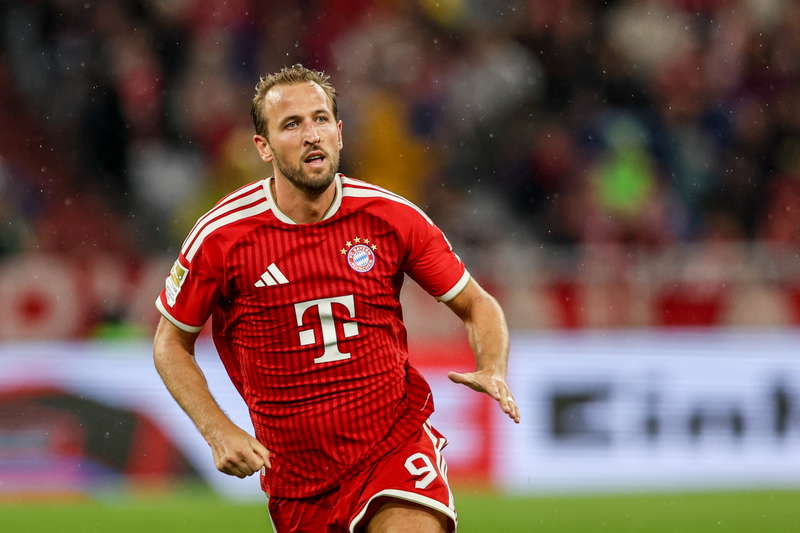
England went 36 minutes without creating a chance from open play. That is the most useful number from the night, because it shows how little of that early control actually threatened Ghana. Harry Kane did not get a good look on goal until the 87th minute, and his own read of the game was plain enough: “I was kind of man-marked there by [Thomas] Partey for a lot of the game. I didn't have the space to drop deep, and then arrive later in the box.”
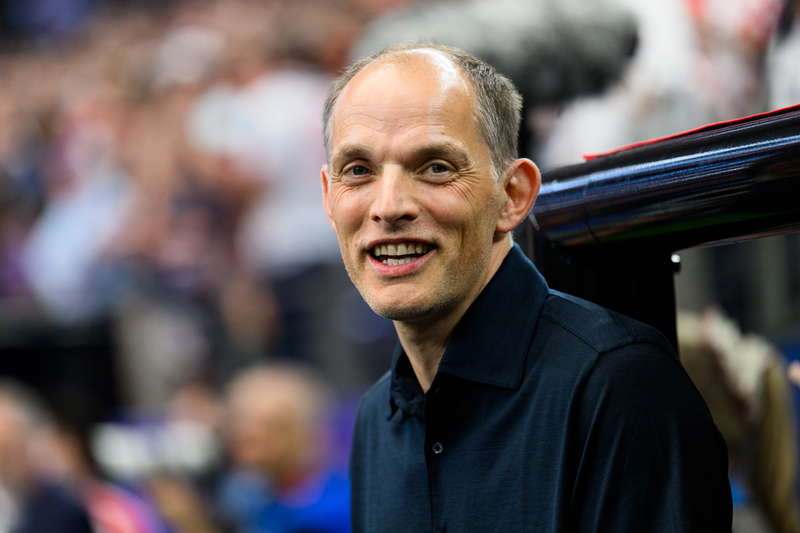
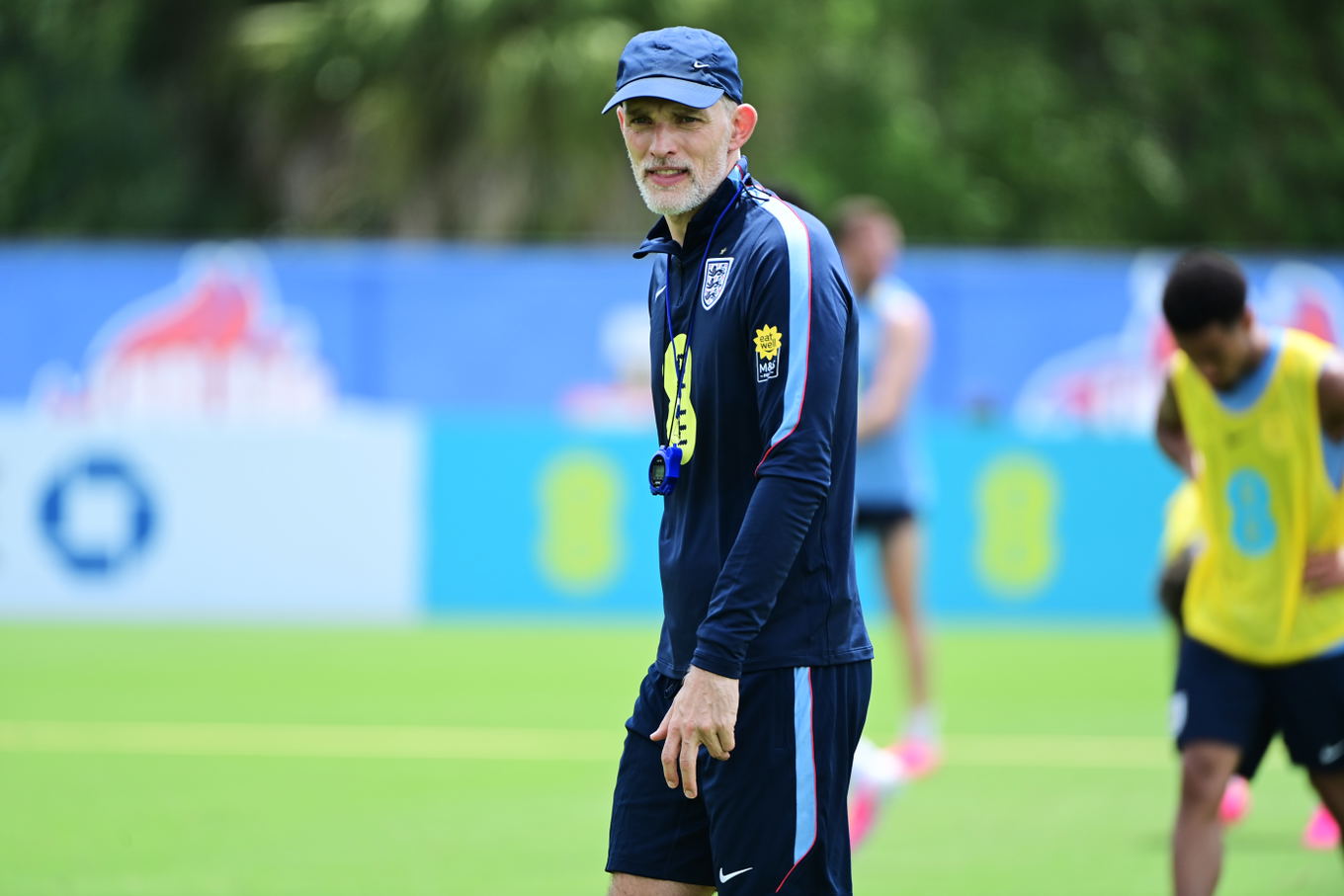
Tuchel said Ghana defended “with a lot of determination, a lot of discipline,” and added that it was “difficult to find space.” That fits what England saw on the pitch. Ghana sat in, protected the middle and refused to be dragged out, which took away the usual lanes into Kane and cut off the second-wave runs England needed.
England need a quicker plan B
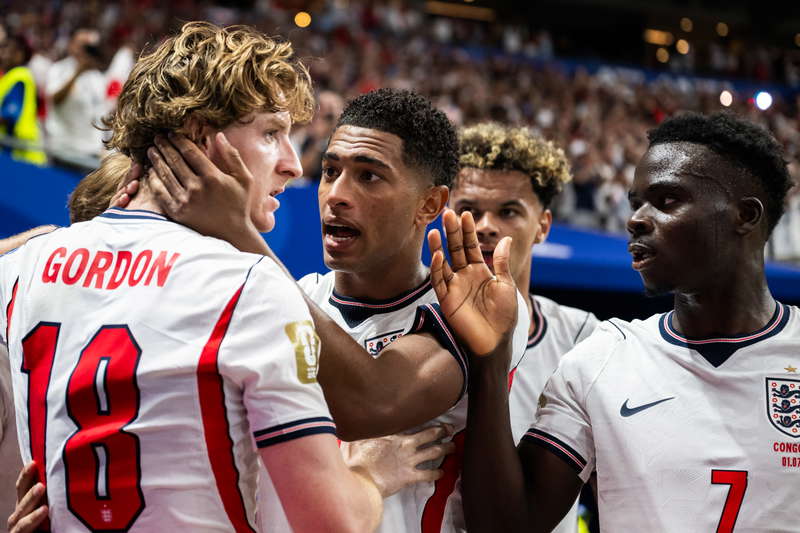
The criticism of Tuchel is not that he had no answers. It is that the answers came late. He waited until the 65th minute to bring on Bukayo Saka and Nico O'Reilly, then used Marcus Rashford for only the final 10 minutes. By then, Ghana had already settled into the game, and England were still trying to break them down with patience rather than with sharper tempo.
Tuchel's warning after the match was fair enough. “It didn't fall for us. It was a difficult one. It took a lot of patience and repetitive attacks with patience to break it down.” He also added, “It's a long tournament.” That is the part England will have to live with. The structure is not broken, but this is the sort of opponent that exposes how heavily it leans on possession and timing.
England do not need a panic fix. They do need a faster way to change the rhythm when a low block refuses to bite. Against Croatia, the pressure-baiting shape worked. Against Ghana, it was slowed down, marked out and forced into too many safe passes. The next question is whether Tuchel can get to his wide runners and forwards earlier when that happens again.
Written by Jack Mercer with AI-assisted research, cross-checked against 6 outlets. How we work →