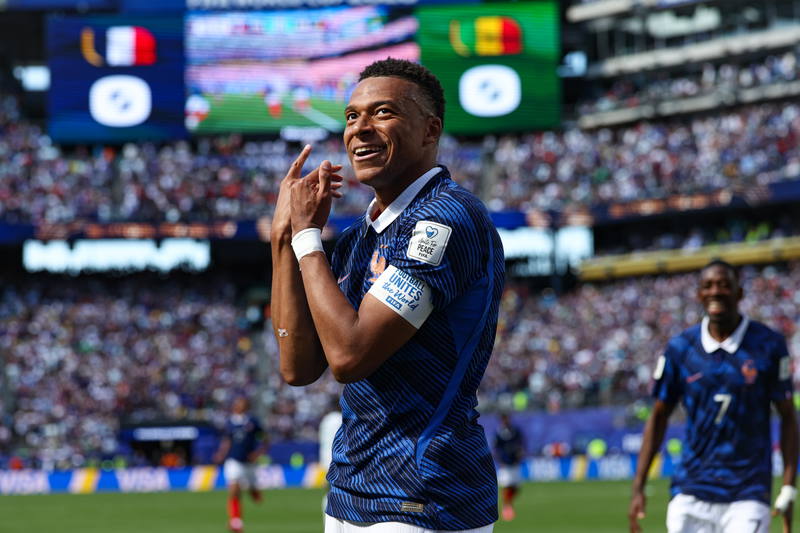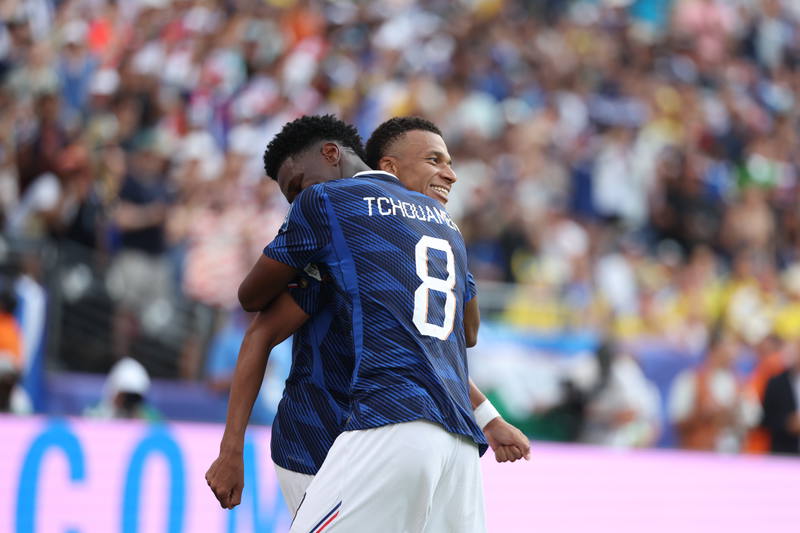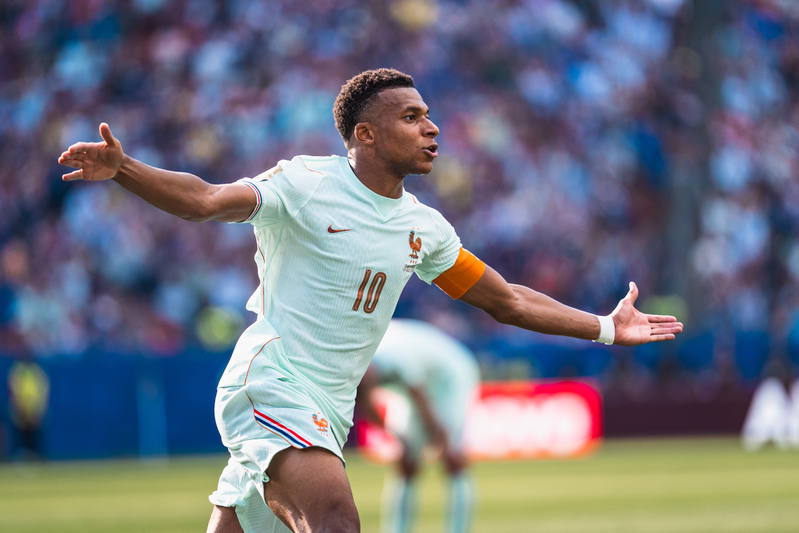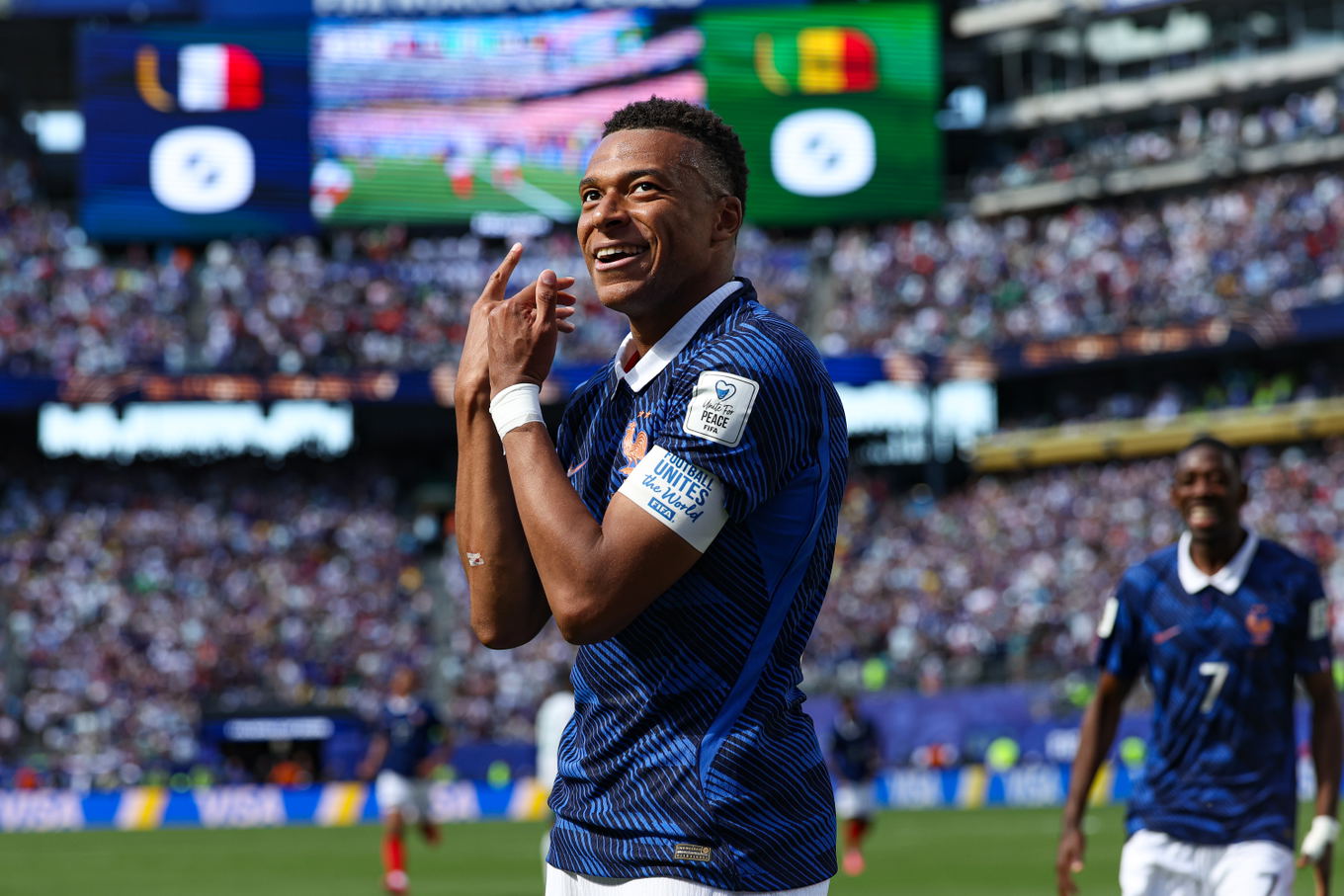
Kylian Mbappé scored twice in France's 3-1 World Cup opener against Senegal at MetLife Stadium in East Rutherford, New Jersey. That will dominate the reaction, and fairly enough. But this was not a simple star-turn from start to finish, because the first half brought a penalty dispute and the second half owed plenty to Michael Olise and a broader lift across the French attack.
The game changed long before Mbappé's second goal
Mbappé's numbers by full time were heavy enough to take over the conversation. His brace moved him to 14 World Cup goals in 15 appearances, and to 58 goals for France. He also finished with four shots on target from four attempts and an 8.2 match rating.
Still, the shape of the night matters here. France did not cruise into this. Mbappé's first goal did not arrive until the 66th minute, when he finished first time to put France ahead. His second came in the 90th minute plus six, a 30-yard strike into the top left corner that turned a tense finish into a cleaner scoreline.
That sequence is why the brace looked bigger by the end than it had for most of the game. For more than an hour, the match carried frustration as much as control.
The penalty incident sat right in the middle of that. France wanted the decision in the first half, and plenty of the debate after full time centred on whether Mbappé had been denied one. Referee Alireza Faghani's explanation was blunt. Speaking to independent.co.uk, he said: "The attacker initiated the contact."
That does not settle the argument, but it does explain why the moment remained contested rather than clear-cut. France had to play through it, and Mbappé's eventual impact came in open play, not from the spot.
Olise gave France the control Mbappé needed
The cleaner read of the game is that Mbappé finished it, while Olise helped unlock it. Michael Olise supplied the assist for the opener and was named FIFA's Man of the Match. He also created 4 key passes and posted a 7.9 rating, which backs up the eye test that his influence was not limited to one final ball.
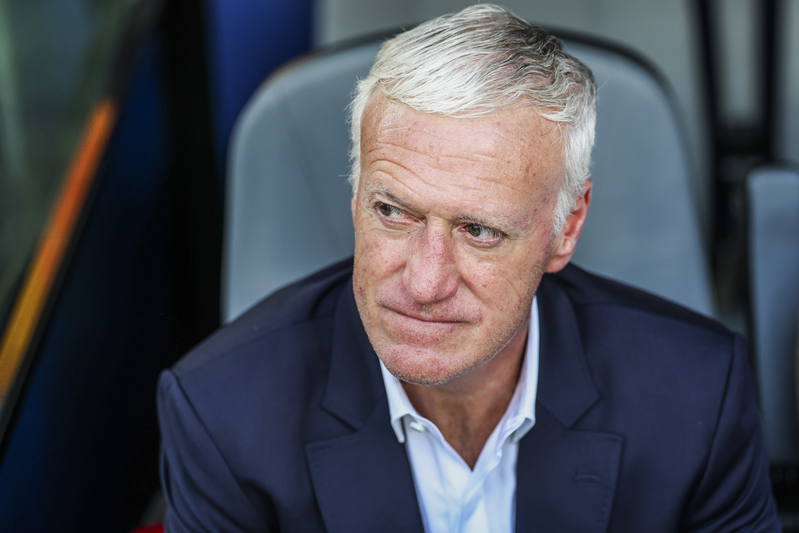
France lined up in a 4-2-3-1 under Didier Deschamps, with Mbappé, Olise, Dembélé and Tchouaméni in the starting XI. That matters because the win looked structured, not improvised. Mbappé remained the headline act, but France's best moments came when they found connections around him rather than asking him to force everything alone.
That was also the line from Olivier Giroud. Speaking to standard.co.uk, he said: "Congrats Kylian, you made it. I'm really happy for him. He had a good second half, a better connection with Olise. He showed the team the way."
Giroud's point lands because it fits the timing of the game. Mbappé was better after the break, but part of that improvement came from France getting the ball to him in better areas and with better rhythm.
Wayne Rooney made a similar point from a different angle when he praised Mbappé's ability to turn a disappointing first half into a decisive second. That is true, but it should not erase the support around him. Olise's role was central to the switch.
The records are real, but so was the collective display
This is where the post-match framing gets interesting. There is an easy version of the story in which Mbappé dragged France through the opener on his own. The goals, the late strike, the record haul and the spotlight that follows a Real Madrid forward all push the coverage that way.
But the stronger reading is slightly less neat and more useful. France had several high-level contributors. Olise drove chance creation. Adrien Rabiot added an assist and a 7.5 rating. Aurélien Tchouaméni completed 70 passes, which points to midfield control rather than chaos. Dayot Upamecano's 7.9 rating and six tackles gave France a platform at the back.
So yes, Mbappé stole the night in the way elite forwards usually do. He also moved three goals behind M. Klose on the all-time World Cup list, which is why every big tournament game around him now gets measured against history. But France did not beat Senegal 3-1 in France vs Senegal because one player decided to switch the lights on by himself.
Mbappé's brace deserves the front page. The fuller version is that France found control through the team around him, then let their best finisher end the night. If that pattern holds, the records will keep coming, and the next game will bring the same question again: how much of the damage is Mbappé, and how much of it is the structure feeding him?
FAQ
Why was Kylian Mbappé's performance against Senegal more than just the two goals?
Mbappé scored twice in France's 3-1 win, but the game turned on more than his finishing. There was a disputed first-half penalty call, then Michael Olise's assist for the opener changed the flow of the match. Mbappé finished with 14 World Cup goals and 58 for France, yet the supporting cast played a major part in getting him there.
Did Michael Olise make the difference for France against Senegal?
Olise had a strong case for that. He supplied the assist for Mbappé's first goal, created 4 key passes and was named FIFA's Man of the Match. Olivier Giroud also pointed to Mbappé's better connection with Olise in the second half, which matched what the game looked like once France found more control.
Was Mbappé denied a clear penalty against Senegal?
That remains debatable. The incident was one of the main talking points from the first half, but referee Alireza Faghani defended the decision by saying, "The attacker initiated the contact." France still won 3-1, and Mbappé scored both of his goals in open play, in the 66th minute and again in the 90th minute plus six.
How close is Kylian Mbappé to Miroslav Klose's World Cup goals record?
Mbappé is on 14 World Cup goals after his brace against Senegal. That leaves him three behind M. Klose, and he reached 14 in only 15 World Cup appearances. The numbers are moving quickly, which is why every knockout-stage goal will now get framed against that record.
Written by Sam Whitfield with AI-assisted research, cross-checked against 4 outlets. How we work →