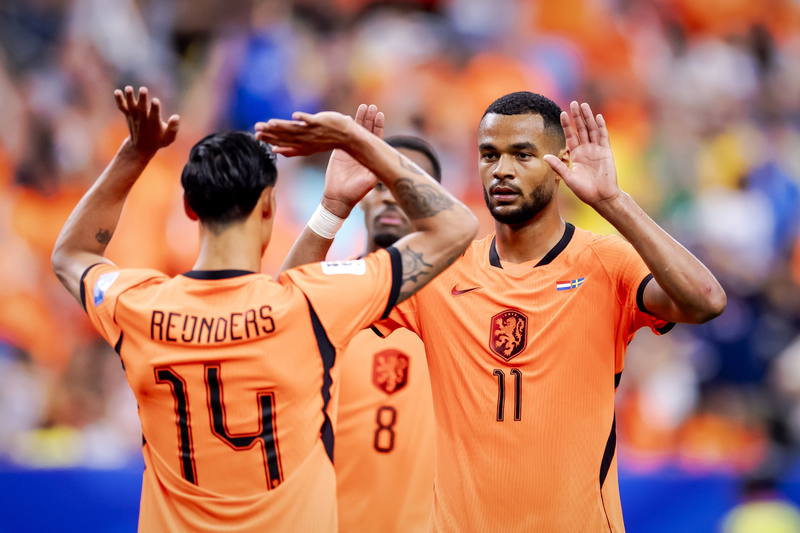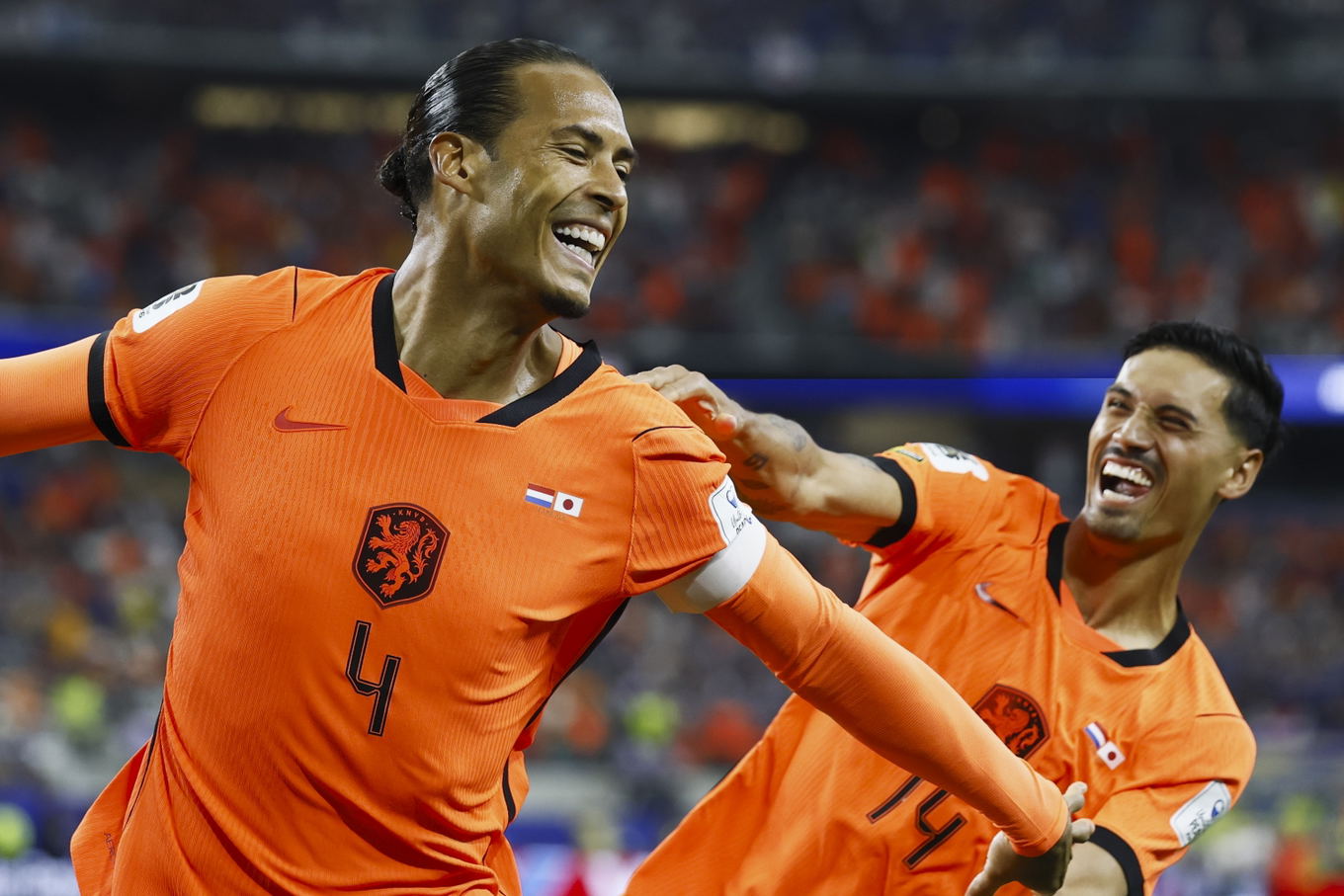
Netherlands opened their World Cup with a 2-2 draw against Japan, and it will feel like a missed chance more than a respectable point. The Dutch led twice in Netherlands vs Japan, first through Virgil van Dijk and then through Crysencio Summerville, but Japan stayed in it and were rewarded late when K. Ogawa grabbed the equaliser.
That made the biggest story of the opener pretty obvious: Japan's resilience denied Ronald Koeman's side the kind of opening win that settles a group quickly.
Why the result will frustrate the Netherlands
The final score was 2-2, and that matters because the Netherlands had put themselves in position to win it twice. Van Dijk headed them in front in the 51st minute from Ryan Gravenberch's cross, the sort of goal that should have given the Dutch control of the game.
Instead, Japan kept dragging them back into it. They came from behind twice, which says plenty about their discipline but also a fair bit about the Netherlands' inability to turn a lead into control.
Summerville looked like he had done enough when he restored the Dutch lead in the 64th minute. It was his first international goal, and his 8.3 rating was the highest among the Netherlands players listed for the match. Van Dijk was close behind on 7.9, so there were clear individual positives even if the result soured them.
But the Dutch never shut the door. Ogawa's equaliser is credited in the 88th minute, though some reports put it in the 90th, and it took a deflection off Daichi Kamada before beating Bart Verbruggen. Whether you mark it down as 88 or 90, the point is the same: it came late enough to strip the Netherlands of a winning start.
Van Dijk's own verdict was telling. Speaking to sportsmole.co.uk, he said: "we were too slow on the ball, Koeman wants to attack".
That feels like a fair summary. A team can score twice and still leave the pitch looking blunt if the possession is too slow and the game stays open longer than it should.
How Japan stayed alive in the game
Japan did not need to dominate to stay dangerous. They needed to survive setbacks and keep enough pressure on the match for the Dutch to feel uncomfortable. They managed both.
Hajime Moriyasu used all five substitutes after Japan went 2-1 down, and that aggressive use of the bench fits how the game finished. Japan kept pushing instead of settling for a narrow defeat, and the equaliser arrived before the Netherlands could reset.
That late pressure is the most encouraging part for Japan. Coming from behind twice in a World Cup opener is not just about character, even if that word gets overused. It usually means the game remained available to them because the opponent never fully controlled the tempo or the spaces.
The venue has been described as AT&T Stadium in Arlington and, in some coverage, simply Dallas, Texas. The location detail is less important than the way the match swung. For long spells, the Netherlands had the better moments through Van Dijk and Summerville. By the end, Japan had forced the result back to level terms.
Summerville and Van Dijk gave the Dutch something to build on
The draw should not wipe out the better parts of the Netherlands performance. Van Dijk delivered the opener and, by the listed ratings, was one of their best players. Summerville added the second goal and looked the sharpest Dutch attacker on the day.
That is useful for Koeman, especially after an opening game that exposed some of the usual concerns about Dutch attacking fluency. SI's Toby Cudworth had already questioned whether this side had enough firepower, writing that: "It is in decent form heading into the 2026 edition, but Ronald Koeman's side don't have an abundance of firepower and do struggle to score lots of goals."
Scoring twice should have been enough here. The problem was not a lack of headline moments. It was the lack of control after them.
For Japan, the point is straightforward and valuable. For the Netherlands, the next group game already carries more edge than it should after match one.
FAQ
How did Japan come back to draw with the Netherlands at the World Cup?
Japan recovered from two separate Netherlands leads in a 2-2 Group F draw. Virgil van Dijk put the Dutch ahead in the 51st minute from Ryan Gravenberch's cross, and Crysencio Summerville restored the lead in the 64th. Japan stayed in the game and Koki Ogawa's late equaliser, credited in the 88th minute and deflecting off Daichi Kamada, earned the point.
Who scored in Netherlands vs Japan in the 2026 World Cup opener?
Virgil van Dijk and Crysencio Summerville scored for the Netherlands, while Koki Ogawa got Japan's late equaliser. Van Dijk's goal came in the 51st minute and Summerville scored in the 64th, with his strike recorded as his first international goal.
Why will the Netherlands be frustrated by the draw with Japan?
The Netherlands led twice and still did not win. They were 2-1 up before Ogawa's late goal made it 2-2, so the result took the edge off what could have been a strong opening statement in Group F. Van Dijk also admitted afterward that the Dutch were too slow on the ball.
Did Japan's substitutions change the game against the Netherlands?
Japan's bench played a clear part in the late pressure. Hajime Moriyasu used all five substitutes after his side went 2-1 down, and Japan kept pushing until Ogawa's equaliser arrived late on. That does not explain everything, but it fits the way the match turned in the closing stages.
- bundesliga.com
- caughtoffside.com
- givemesport.com
- independent.co.uk
- rte.ie
- si.com
- skysports.com
- sportsmole.co.uk
- standard.co.uk
Written by Sam Whitfield with AI-assisted research, cross-checked against 9 outlets. How we work →