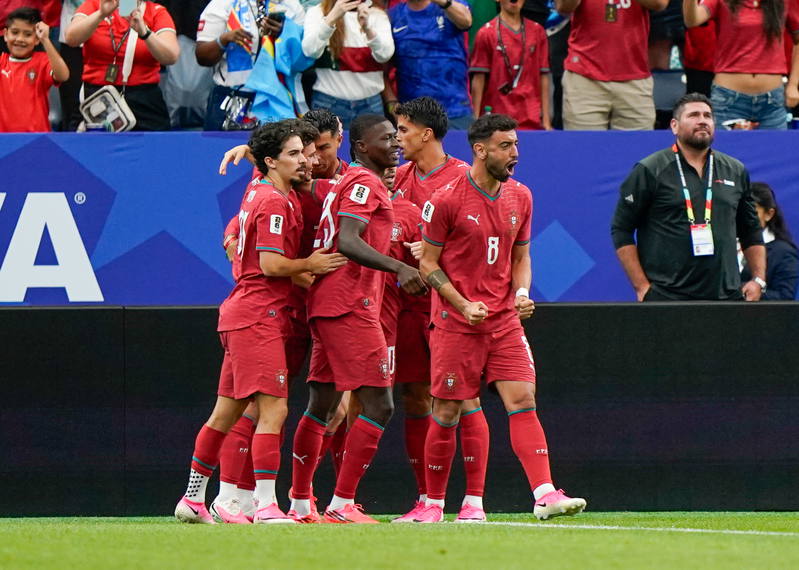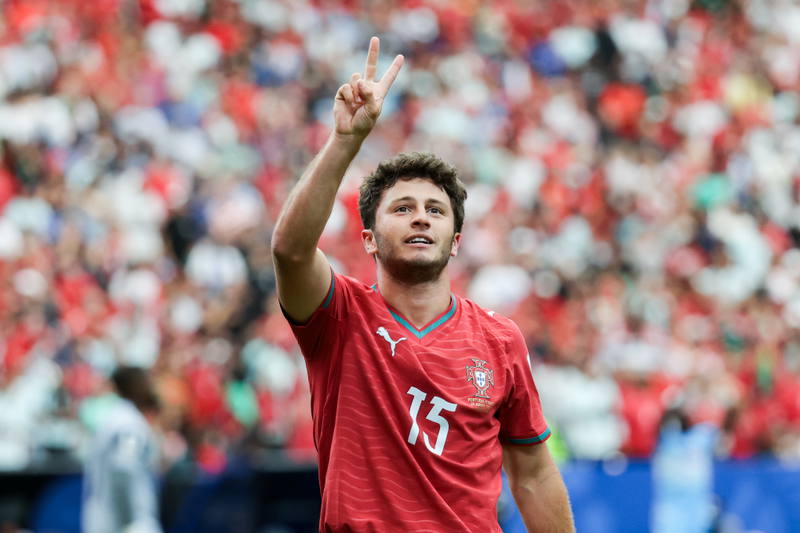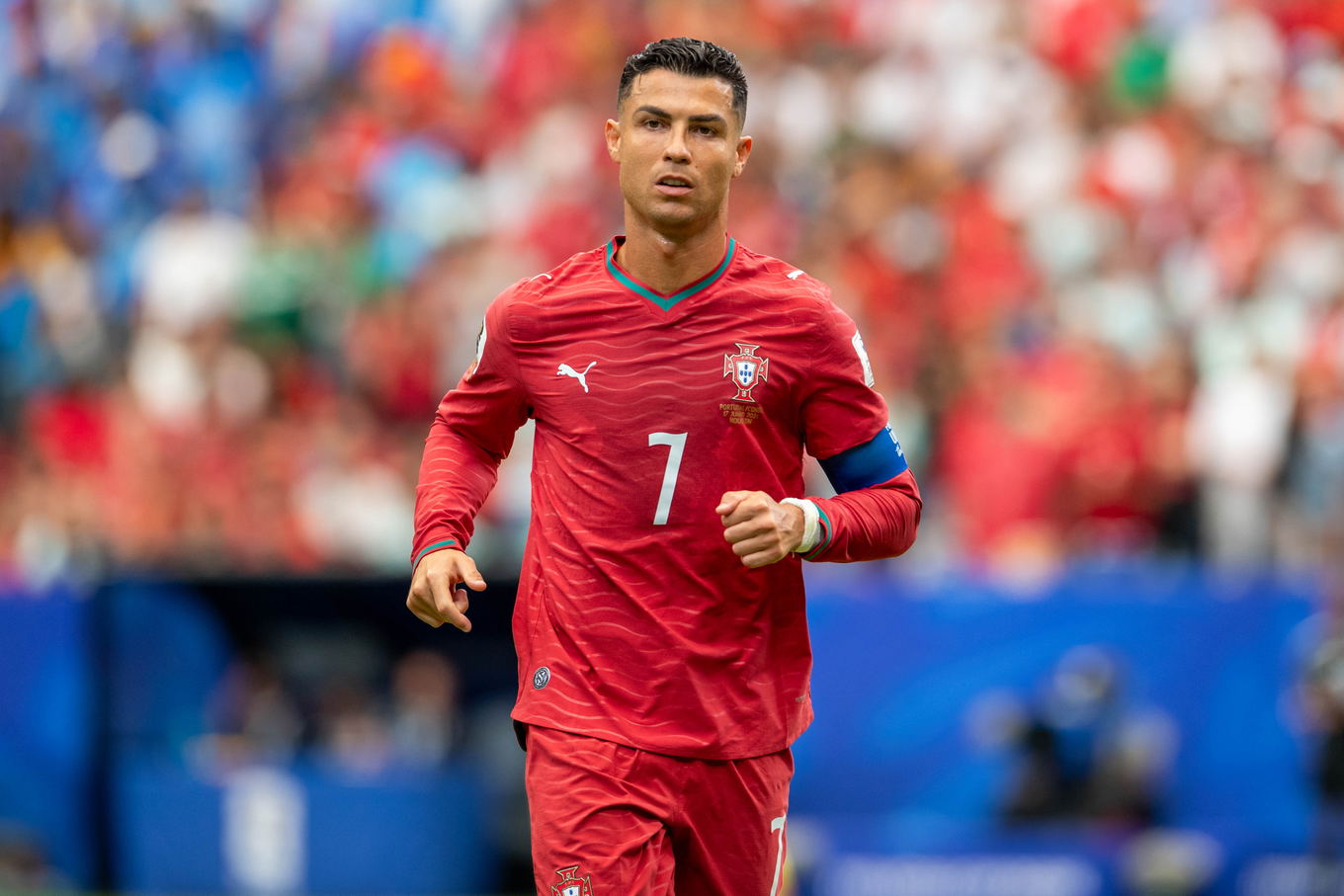
Cristiano Ronaldo became the oldest ever outfield player at a World Cup at age 41 in Portugal's Group K opener, but the historic milestone was overshadowed by an unexpected 1-1 draw against Congo DR in Houston. João Neves gave Portugal an ideal start with a glancing header in the sixth minute, but Roberto Martinez's side failed to capitalize on its dominance—holding 80 per cent possession in the first half yet managing just one shot on target across 93 minutes. Yoane Wissa's powerful free-kick header in stoppage time secured a historic point for the Leopards and a disappointing opener for the Euro 2016 champions.
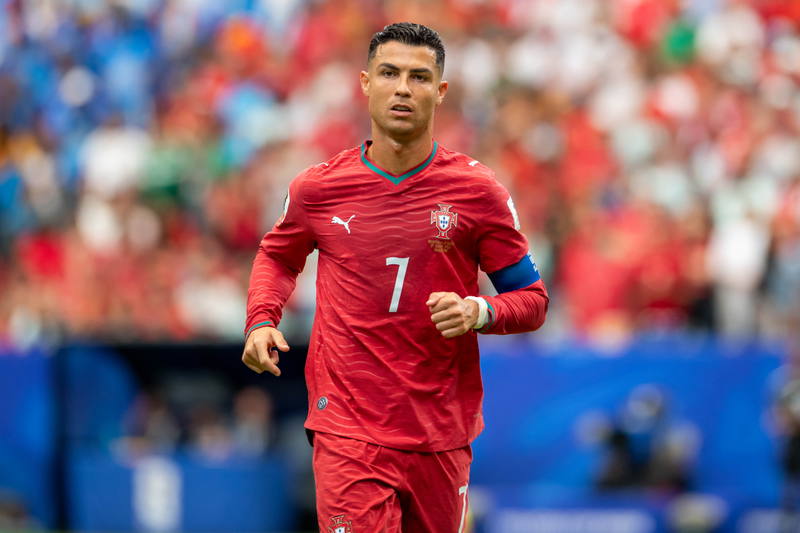
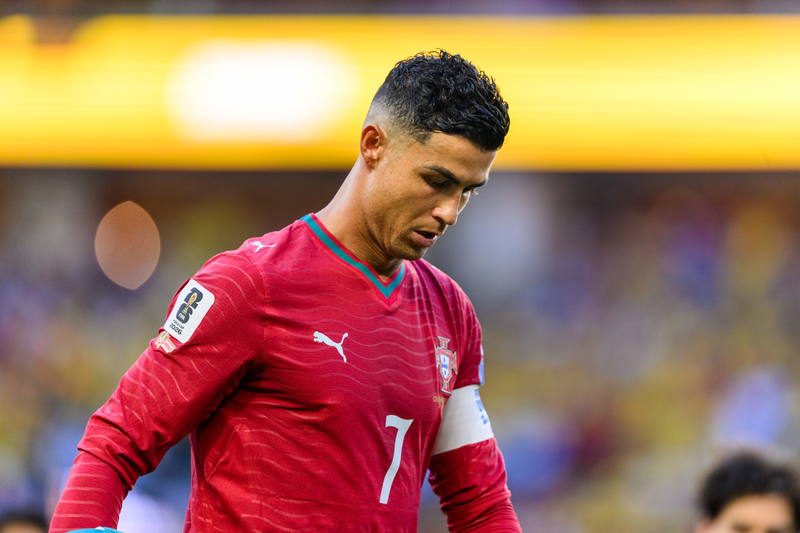
Ronaldo's record-setting appearance was always going to grab headlines. At 41 years and 113 days, he surpassed the previous mark for the oldest outfield player ever to feature at a World Cup. It stands as another entry in his improbable catalog of longevity records. Yet the narrative surrounding his final World Cup was defined less by his achievement than by Portugal's failure to convert control into victory.
The record stands, but on a night of missed opportunity
The significance of Ronaldo's age cannot be dismissed lightly. That he remains capable of playing 90 minutes at a World Cup at 41 is remarkable. Yet his individual performance was peripheral to the match's broader problem. Over 93 minutes, Ronaldo took three shots, none on target. He was not the focus of Portugal's attack, nor did he create the chances that might have buried the game.
Bruno Fernandes, Portugal's midfield architect, earned the team's highest player rating at 7.9, a signal that possession was maintained and circulated with competence. But competence in midfield means little when the front line cannot finish. Portugal's evening was defined by a gap between their control and their threat. That single shot on target came from Neves, whose early header gave Portugal exactly what they wanted: a perfect start. But perfection from one player does not equal team penetration. After that sixth-minute breakthrough, Portugal rarely troubled Congo DR's goalkeeper.
Possession without penetration
Roberto Martinez arrived at the Portugal job with a reputation for building attacking systems, but the first half against Congo DR exposed a familiar problem: control without penetration. The Euro 2016 winners held 80 per cent of the ball in the opening 45 minutes, yet managed just one shot on target for the entire match. When one team holds that much of the ball but finishes with such limited threat, the issue is not circumstance. It is design.
Congo DR sat deep, stayed organized, and waited. The Leopards' compact defensive shape made spaces hard to find. Movement in the box was limited. By the time Roberto Martinez adjusted his approach, the match had already slipped away. Bringing on Gonçalo Ramos in the 83rd minute signaled Martinez was searching for an answer, but by that point Portugal had run out of time.
The Leopards' moment arrives
That opportunity arrived in stoppage time. Yoane Wissa, Newcastle's forward, rose to a free-kick and powered a header past Diogo Costa with clinical precision. For Congo DR, it was a staggering achievement: their first-ever World Cup goal, secured against heavy favorites in their second World Cup appearance since 1974, when they competed as Zaïre.
Wissa's goal deserves context. The Leopards did not stumble into qualification by accident. They finished second behind Senegal in African qualifying, then beat Cameroon and Nigeria in the playoffs before overcoming Jamaica in their final qualifying round. This is a team with genuine tournament credentials, not first-time tourists hoping to survive group stage.
Wissa's 7.2 match rating, one of Congo DR's highest of the evening, understates his impact. He barely touched the ball, yet he was lethal when it mattered.
What Portugal must do
For Portugal, the draw is a reset moment before the tournament has truly begun. Ronaldo's historic appearance will be remembered, but not in the way Martinez or the federation intended. Instead of launching a statement campaign, Portugal must now prove that possession without penetration is not their tournament identity. Group K is no longer a stepping stone for the Euro 2016 champions. It is now a test.
FAQ
How old is Cristiano Ronaldo at the 2026 World Cup?
Ronaldo is 41 years old, becoming the oldest outfield player ever at a World Cup. While his presence is a historic achievement, his performance in Portugal's draw was limited—he took three shots, none on target, and did not drive the team's attack.
Why did Portugal draw with DR Congo?
Portugal dominated possession with 80 per cent in the first half but managed only one shot on target across 93 minutes. The team's system could not unlock DR Congo's compact defensive shape, and João Neves' early header proved insufficient. The gap between control and penetration proved costly.
Who scored DR Congo's first-ever World Cup goal?
Yoane Wissa, Newcastle's striker, scored DR Congo's first-ever World Cup goal in stoppage time with a powerful free-kick header. The goal secured a 1-1 draw against heavy favorites Portugal and a historic point in the nation's first World Cup since 1974.
Written by Sam Whitfield with AI-assisted research, cross-checked against 5 outlets. How we work →