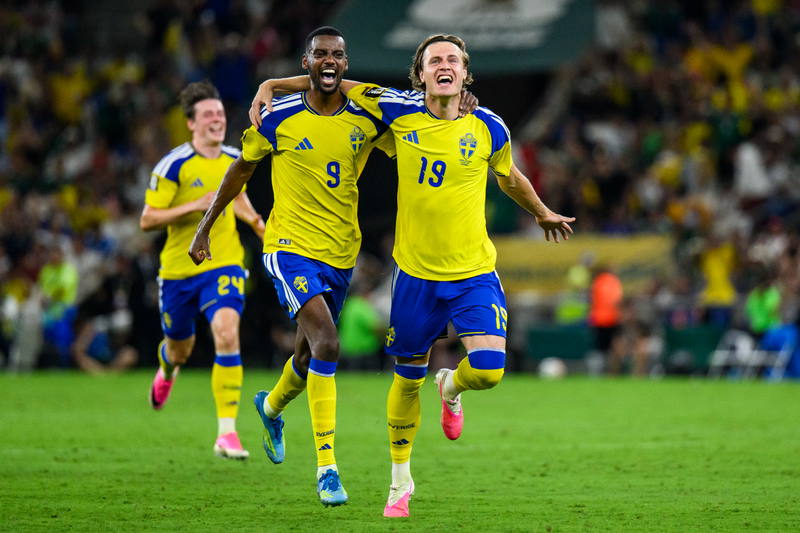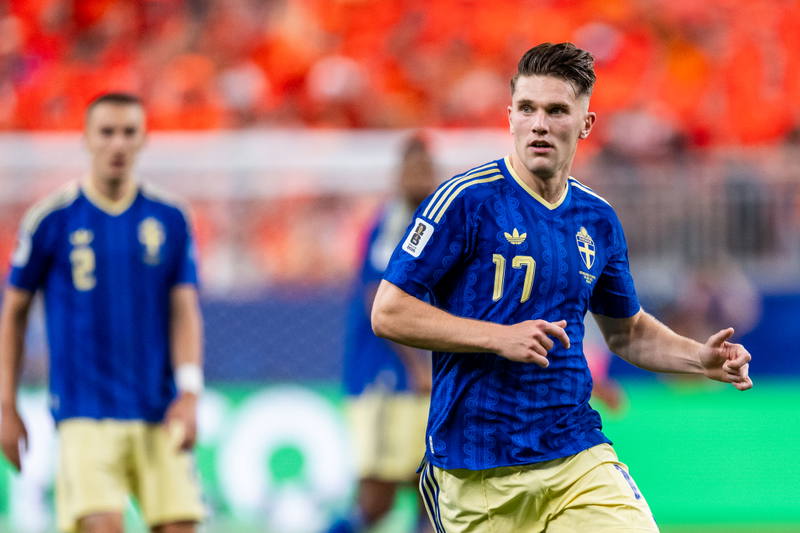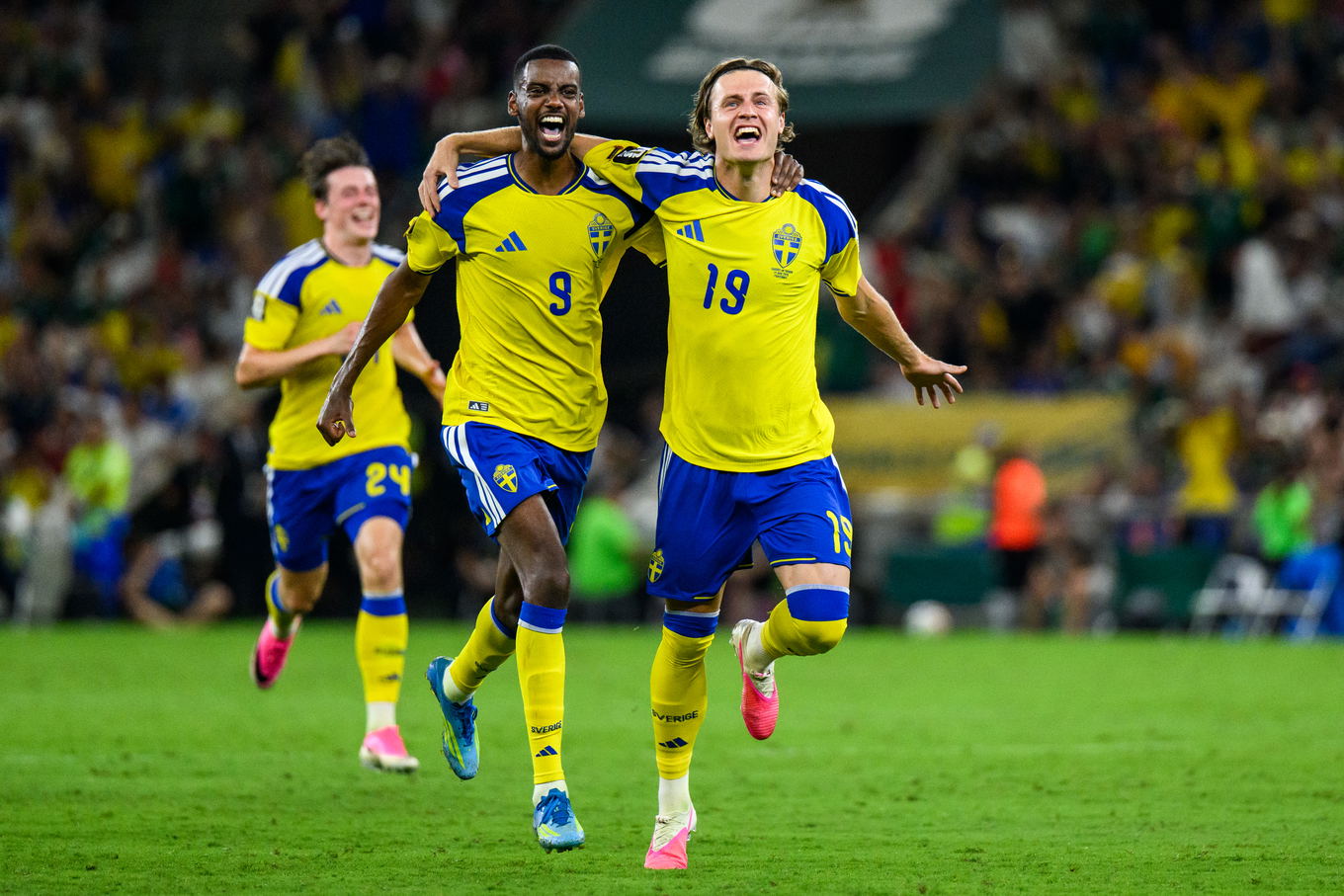
Sweden opened Group F with a 5-1 win over Tunisia, and the main reason was obvious enough from the first half. Alexander Isak and Viktor Gyökeres gave Tunisia constant problems with their movement, link play and finishing, while Yasin Ayari added the goals that turned a strong performance into a heavy scoreline. Ayari struck in the 7th minute and again in the 90+6th to cap the night.
There was pre-match uncertainty around Sweden's level after an unusual route into the tournament. Toby Cudworth wrote for si.com: "Sweden's journey to the 2026 World Cup was unique, to say the least. It failed to win a single game in traditional qualifying, yet was given a lifeline by its progress in the UEFA Nations League. New manager Graham Potter took advantage of the opportunity, steering Sweden through the playoffs."
What mattered here was the version of Sweden that turned up in Sweden vs Tunisia. This was quick, aggressive and far more fluid going forward than Tunisia could handle.
Why Isak and Gyökeres controlled the game
The headline names earned it. Isak was rated 8.9, the highest figure among Sweden's players, and he directly shaped three goals. The stat line matters, but so did the way he played. He was involved across the front line rather than waiting for the ball to arrive, and Tunisia never looked comfortable dealing with him between the lines or in transition.
Gyökeres was nearly as important. He finished with an 8.2 rating, produced a goal and an assist, and added 4 key passes. That is a complete centre-forward performance, not just a finisher cashing in on good service. His ability to receive, bring others into the game and still attack the box gave Sweden a proper attacking structure.
Cudworth's assessment before the match already pointed to Gyökeres as a central figure in Sweden's rise. "The uptick in form for the 38th-ranked country in the world has come via the goals of Viktor Gyökeres, though it is generally at its lowest ebb for a decade."
That looked accurate here, but it also undersold Isak's influence on the night. If one player set the tempo of the attack, it was him.
Ayari and Svanberg turned control into a rout
Ayari's brace gave the scoreline its final shape. His first goal came in the 7th minute, and his second arrived in the 90+6th. Sweden were already on top for long stretches, but two goals from a midfielder gave Tunisia another problem they never solved.
The late stages made the margin look even harsher. Mattias Svanberg scored 18 seconds after coming on as a substitute, and even that needed a small detail to go Sweden's way. The VAR review showed a slight touch from Isak had kept Svanberg onside before the finish was confirmed.
That sequence summed up Sweden's night. Their main forwards were decisive, and even the marginal moments broke in their favour because they kept forcing Tunisia into reactive defending.
Tunisia's defence never settled
Tunisia came in with a respectable defensive reputation. They had ended qualifying without conceding a single goal, which made the collapse here more striking. Against Sweden's front two, that record offered no protection.
Sports Mole's match report put it plainly: "The African side struggled to deal with the movement of Gyokeres and Isak, showed disorganisation on several occasions in defensive transitions and again made the kind of mistakes that are often fatal in short tournaments."
That was visible on the third goal in the 59th minute, when Sweden pressed Tunisia's build-up, won the ball high and allowed Gyökeres to finish the move. Tunisia goalkeeper Abdelmouhib Chamakh's 4.3 rating reflected how exposed the whole side became once Sweden started attacking them with speed and purpose.
There is some outside language around Sweden being top of Group F after the opening round, but that is not a table position worth stating as settled yet. What is certain is the result: Sweden beat Tunisia 5-1, with Isak, Gyökeres and Ayari driving the game. If Sweden attack like this again, the conversation around them changes quickly.
FAQ
Why did Sweden look so dangerous against Tunisia in the World Cup opener?
[Sweden](club:sweden) caused problems because [Alexander Isak](player:alexander-isak) and [Viktor Gyökeres](player:viktor-gyokeres) led the game from the front. Isak was rated 8.9 and directly shaped three goals, while Gyökeres added a goal, an assist and 4 key passes. Tunisia struggled with their movement and Sweden also won the ball high for the third goal.
How many goals did Yasin Ayari score against Tunisia?
[Yasin Ayari](player:yasin-ayari) scored 2 goals in [Sweden](club:sweden)'s 5-1 win over [Tunisia](club:tunisia). His first came in the 7th minute and his second arrived in the 90+6th minute, which gave the scoreline extra weight after Sweden had already taken control.
Did Alexander Isak and Viktor Gyökeres both influence the Sweden win?
Yes. [Alexander Isak](player:alexander-isak) was [Sweden](club:sweden)'s top-rated player with an 8.9 rating and scored once while supplying two assists. [Viktor Gyökeres](player:viktor-gyokeres) finished with an 8.2 rating, scored once, provided an assist and created 4 chances.
How did Sweden score their third goal against Tunisia?
[Sweden](club:sweden) pressed [Tunisia](club:tunisia)'s build-up, won the ball high and then [Viktor Gyökeres](player:viktor-gyokeres) scored in the 59th minute. It was one of the clearest examples of Tunisia struggling with Sweden's movement and pressure.
Written by Sam Whitfield with AI-assisted research, cross-checked against 5 outlets. How we work →