Switzerland head into Saturday's World Cup Group B opener against Qatar having lost only one match in 14 games across all competitions. Qatar have failed to win any of their last six matches since securing World Cup qualification in October. This form disparity, with one team in peak condition and the other in pre-tournament crisis, frames the stakes for Group B's opening moment in Santa Clara.
Form and tournament credibility collide
Switzerland's confidence is built on substance. They have lost only one of their last 14 matches across all competitions, with that sole defeat coming in a 4-3 friendly loss to Germany in March. Their recent warm-up fixtures—a 1-1 draw with Australia and a 4-1 victory over Jordan in May—demonstrate tactical coherence and the sharpness that comes from testing competition at pace.
Qatar's pre-tournament trajectory offers starker contrasts. They have not won any of their last six matches since securing World Cup qualification in October. The results include a 1-0 loss to Republic of Ireland in May and a 1-1 draw against El Salvador on June 6. As The Hard Tackle's World Cup preview assessed: "Qatar's form since qualification has been worrying—they have played six matches without recording a win, with their pre-tournament preparations lacking the momentum Lopetegui would have wanted." For a manager taking charge after a group-stage exit four years ago, that absence of rhythm creates immediate pressure.
Tournament experience adds structural weight to Switzerland's position. Switzerland are appearing in their 13th World Cup, a total that reflects consistency and institutional memory. More meaningfully, they have not exited at the group stage since 2010—a 16-year streak that includes three straight knockout-stage appearances. That consistency speaks to squad culture, tactical discipline, and experience Murat Yakin can leverage. Qatar, by contrast, are in only their second World Cup, and their first without home advantage.
Attack, defence, and the player matchups
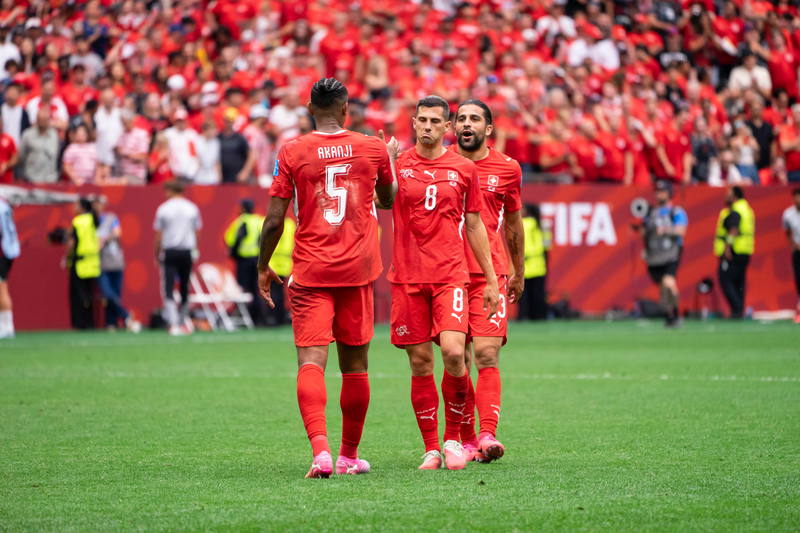
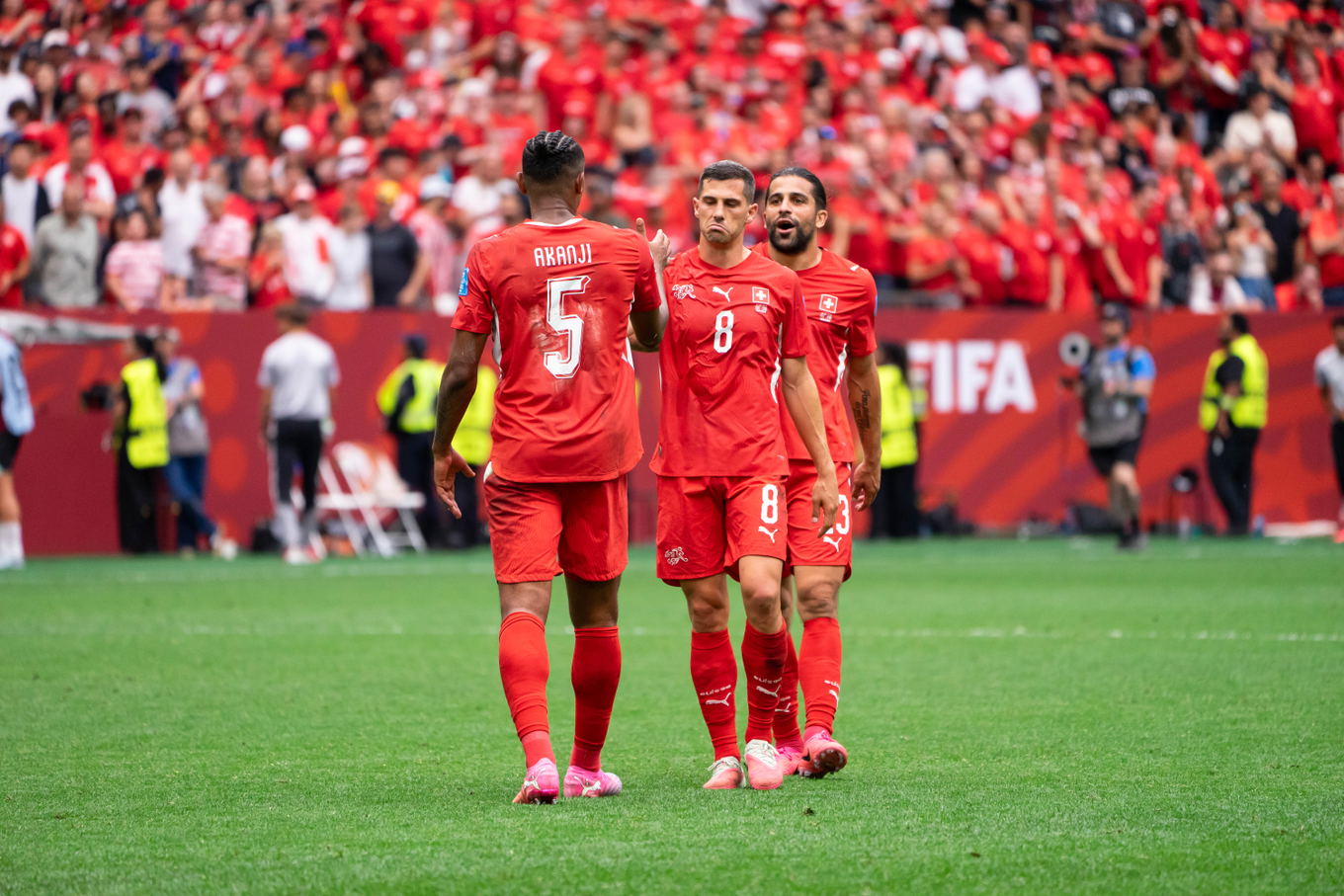
Switzerland's attacking flexibility reflects deliberate depth. Breel Embolo carries 24 international goals and remains a lethal forward outlet, though he is not guaranteed to start—Zeki Amdouni from Burnley could instead lead the line depending on defensive shape and tactical demand. This optionality allows Switzerland to adjust without sacrificing quality. The midfield is anchored by Granit Xhaka, combining experience with progressive ball-playing, while the defence is stabilized by Manuel Akanji's pedigree. Wide support flows through Dan Ndoye, providing vertical and horizontal stretch.
Qatar's attacking case concentrates almost entirely on Akram Afif. His career tally of 41 goals in 133 appearances for Qatar reflects genuine creative dominance in a narrow attacking pool. Against a Swiss defence of Akanji's quality, Afif's ability to create and finish becomes decisive. If he is isolated or contained, Qatar's attacking options narrow dangerously. Edmilson Junior and others offer support, but they lack Afif's individual pedigree, meaning Qatar's attack often begins and ends with their winger.
This attacking imbalance mirrors a broader squad depth gap. Switzerland can rotate and maintain tactical coherence. Qatar's bench offers less reassurance, particularly in attacking areas where experience and proven goalscoring matter most.
What Saturday reveals
This is not a match decided in advance, but probability favours Switzerland clearly. Form, tournament experience, squad depth, and tactical flexibility all point toward a Swiss advantage. Qatar enter under genuine pressure, but Group B remains unsettled after ninety minutes, and an upset would reshape the narrative instantly.
By Saturday evening, both teams will possess concrete tournament data. Switzerland will have the chance to translate recent momentum and 16-year group-stage consistency into early points, building a platform for the remaining fixtures. Qatar will have their first opportunity to show whether Lopetegui's appointment signals genuine tactical or structural change or merely a continuation of struggle. The form gap is real, and the statistical advantage lies with Switzerland. But World Cup openers frequently surprise, and Group B will be defined by more than one match. This one, at least, begins with one team ascending and one team desperate for answers.
FAQ
Why are Switzerland favored over Qatar in the World Cup opener?
Switzerland have lost only one match in 14 games this year and have reached the round of 16 in each of their last three World Cups. Qatar have not won in six matches since qualification and are playing their first World Cup without home advantage after exiting at the group stage as hosts in 2022.
Why is Qatar's form so poor before the 2026 World Cup?
Qatar have failed to win any of their last six matches since October 2025 qualification, including a 1-0 loss to Ireland in May and a 1-1 draw with El Salvador on June 6. Manager Julen Lopetegui took over after that 2022 group-stage exit and faces immediate pressure to reverse the momentum deficit.
Will Breel Embolo start for Switzerland against Qatar?
Embolo, who has 24 international goals, is available but not guaranteed to start. Zeki Amdouni from Burnley could lead the attack instead, giving manager Murat Yakin tactical flexibility depending on defensive shape and match conditions.
How important is Akram Afif for Qatar's chances against Switzerland?
Afif has scored 41 goals in 133 appearances for Qatar and is the team's primary attacking outlet. Against Manuel Akanji's defence, his creativity and finishing will be critical to Qatar's chances. However, Qatar lack attacking depth beyond their winger.
Written by Sam Whitfield with AI-assisted research, cross-checked against 3 outlets. How we work →