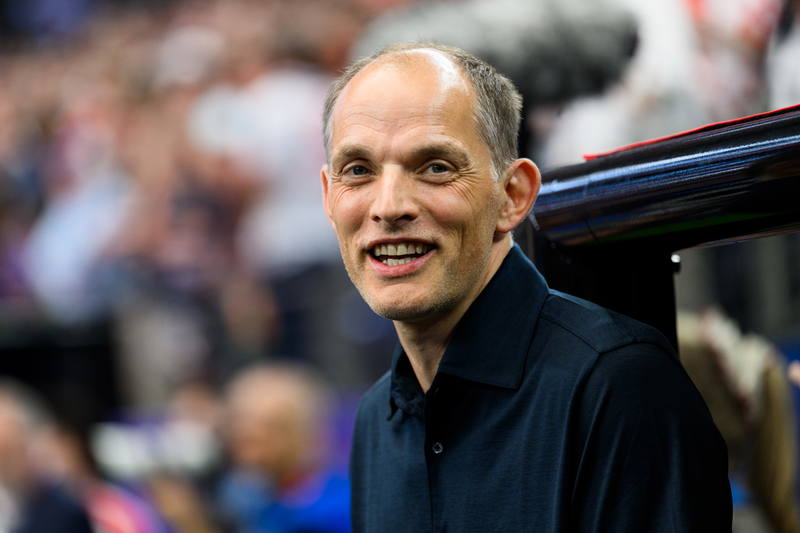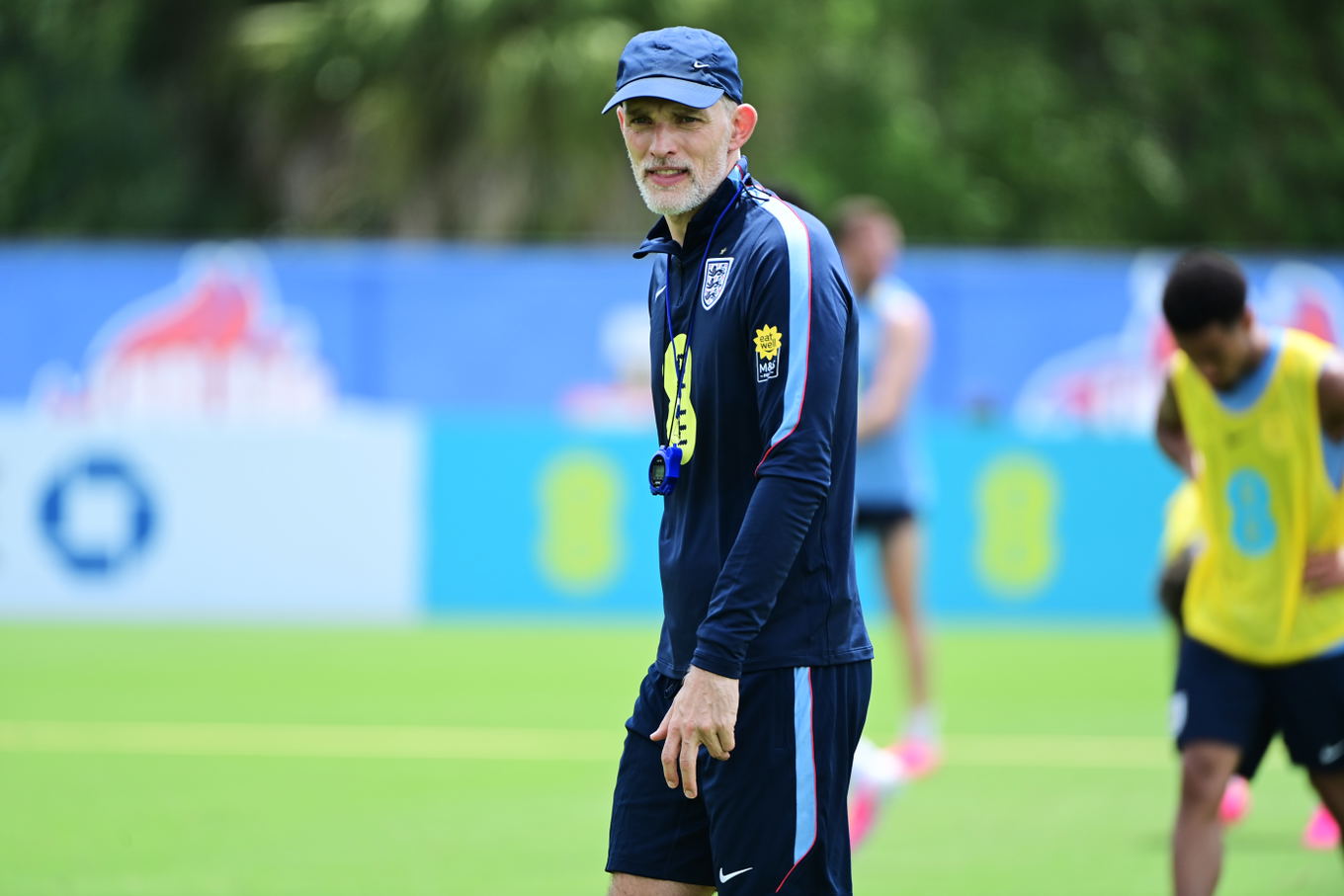
Thomas Tuchel's most important move in England's 2-4 win over Croatia came at half-time, not from the touchline in open play. With the game level at 2-2 in Dallas, he sat down at eye-level with his players and delivered a short, calm message that pushed England from passive to aggressive in their FIFA World Cup 2026 Group L opener.
Tuchel's own explanation was blunt. He told independent.co.uk: "We took the decision to go backwards on and off the ball, so we played way too many balls backwards. We played way too many balls back to our goalkeeper. We didn't dare to eliminate, we didn't dare to play through the gaps."
That was the first-half problem in simple terms. England started in a 4-2-3-1, but too much of their play was safe and recycled, even though Harry Kane had already scored twice.
What Tuchel changed at the break
The key detail is that Tuchel did not try to shock the room. He kept the intervention calm and direct, which matters when a team has just conceded a first-half stoppage-time equaliser and is in danger of tightening up even more.
He said: "I encouraged them to go for it, to play with more courage, to be brave, to be ourselves. I told them to calm down. We just conceded a goal, so to calm down, calm their nerves, and encouraged them to do it our way. I told them that my perception of them and of the last 17 days will not change because of this result, no matter what the result is. But I want them to do it their way, our way. I want them to be brave, courageous, intense, and on the front foot, and do it together, and just go for it, and try to take it, and be active. I encouraged them with words, which was short, was calm, and if they say it helped then even better. But I think that was the main message, to just encourage them and tell them that we trust them, and there is nothing to fear."
That sounds like a manager trying to remove fear rather than manufacture it. Given what followed, it is the clearest explanation for why England suddenly played forward with far more conviction.
Kane backed that up afterwards. The captain said: "The manager gave a speech. He just said: 'If we lose, we lose, we lose in our way … Let the shackles off, what's the worst that could happen?' We came out with real intensity. That's how we want to play. That's the level we need to reach. We're in a really good place as a squad physically. We had too much for a great team who will be here towards the end of the tournament."
There is a useful point in that line about intensity. Tuchel was not only asking for risk; he wanted England to be active and front-footed together. That is a tactical and psychological shift, not just a motivational one.
Why the second half looked different
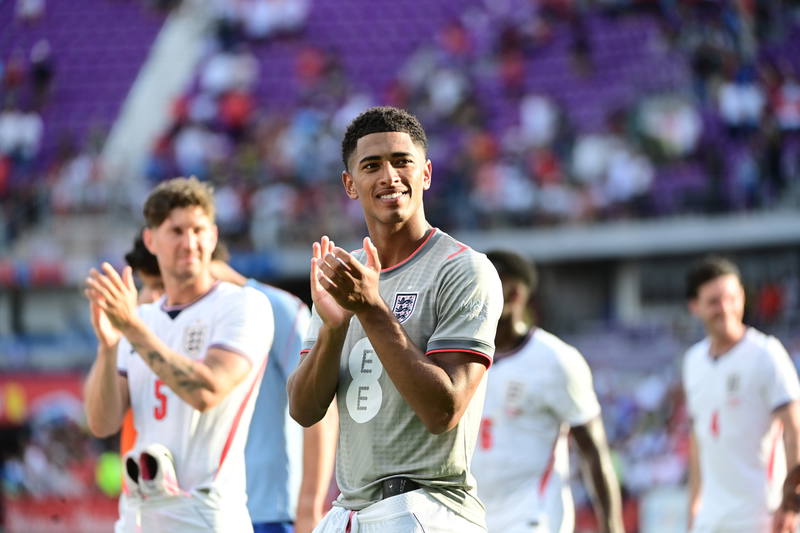
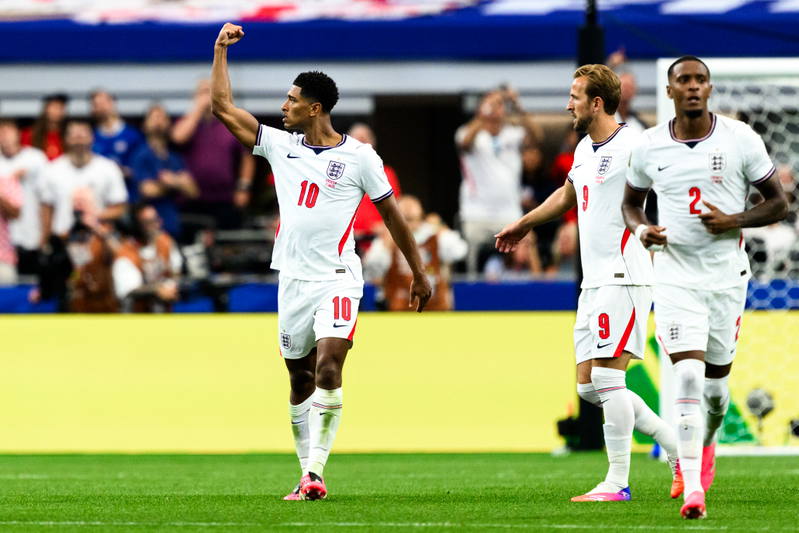
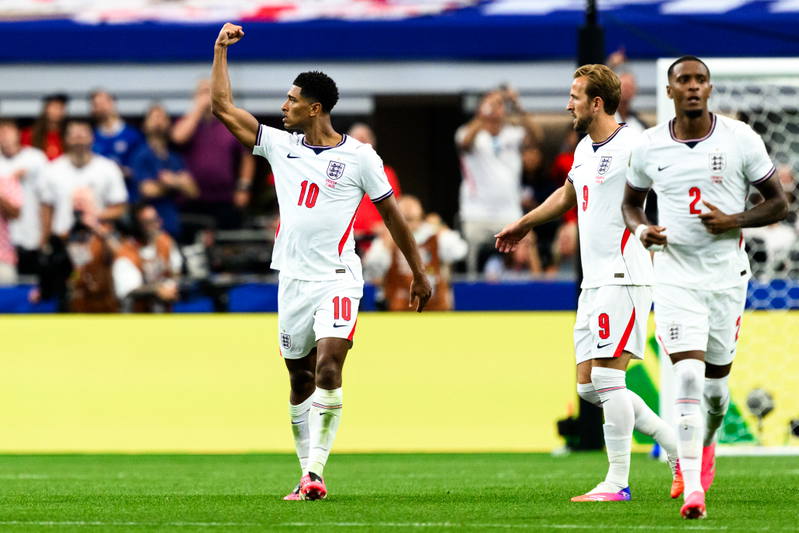
The turnaround was visible quickly. Jude Bellingham struck after the restart, with Elliot Anderson providing the assist, and England finally looked like the more forceful side. Bellingham finished with a 7.6 rating, while England scored four goals on the night and moved top of Group L on 3 points.
Bellingham's description of the break fits neatly with Tuchel's version. He told independent.co.uk: "It wasn't one of those where it was a big drama or shouting, it was just what the team needed. Everyone knew the level we needed to hit, and the early goal gave us a good platform."
That last part matters. The goal gave England control, but the bigger point was that the team had already changed its mindset. The passes were played with more intent, the attacking players received the ball earlier and higher, and Croatia had less chance to let the game settle around Luka Modrić.
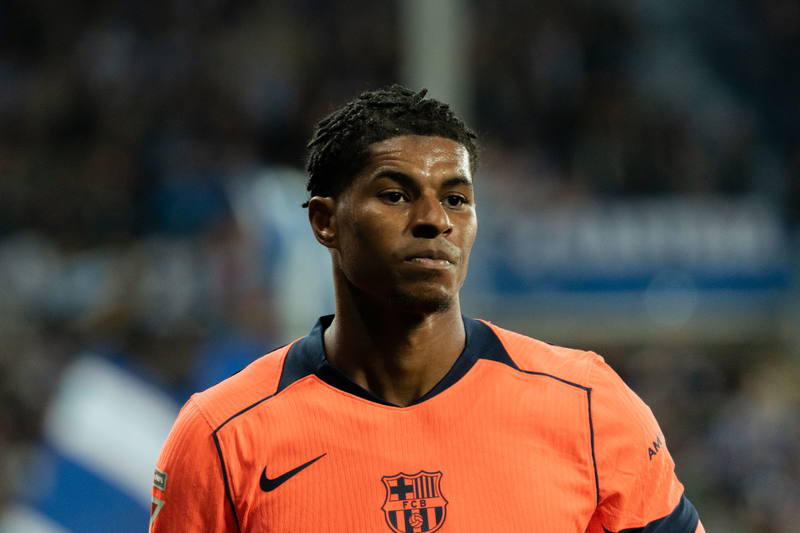
Marcus Rashford then added the fourth in the 85th minute from Bukayo Saka's pass, which underlined how much more direct England had become by the closing stages. Rashford posted a 7.2 rating in his 22-minute appearance, and Saka registered one assist.
Tuchel loved the reaction. "I loved the second half, all of it. I loved their reaction," he said.
Kane still gave England the platform
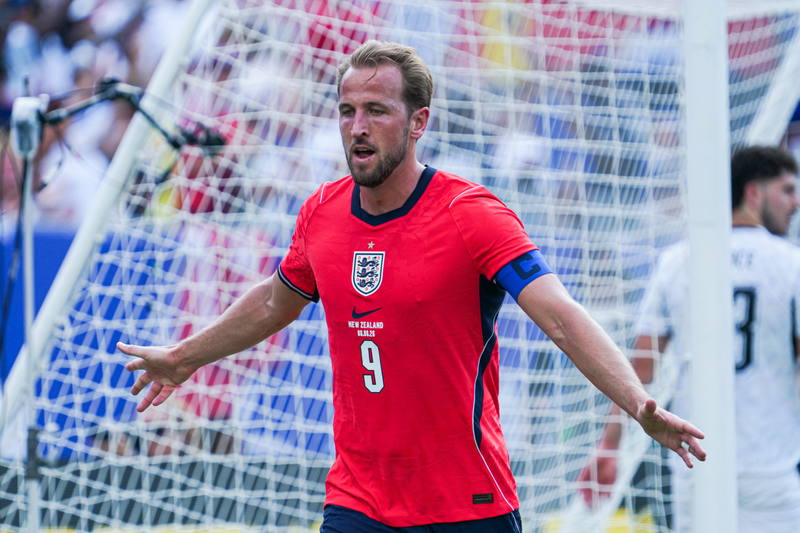
The half-time reset is the real story, but it only mattered because Kane had kept England in a position to win the game in the first place. He scored a retaken 12th-minute penalty and then headed in Declan Rice's corner in the 42nd minute.
His second goal was his 10th at World Cups, drawing him level with Gary Lineker as England's all-time top scorer at the tournament. He also finished as England's highest-rated player on 8.3.
Even so, the night should not be reduced to Kane's brace alone. England had still allowed Croatia back into the game before the interval, with Petar Musa making it 2-2 in first-half stoppage time. They also conceded twice overall, and that is why Tuchel's frustration with the team's caution in possession carried so much weight.
There is plenty for England to tidy up, and Tuchel did not pretend otherwise. But for a World Cup opener, finishing with a 4-2 win from a level game at the break is a strong start, especially when the players and manager tell the same story about why it changed. The scoreline from England vs Croatia puts England top of Group L. The half-time message gave a clearer idea of how Tuchel wants them to play from here.
FAQ
What did Thomas Tuchel say to England at half-time against Croatia?
Thomas Tuchel told England to calm down and play with more courage after a passive first half against Croatia. He said the team had gone backwards too often, on and off the ball, and wanted them to be brave, intense and on the front foot. Harry Kane said the message was to let the shackles off and play in their own way.
Why did England improve so much in the second half against Croatia?
England's players pointed to Tuchel's calm half-time intervention. He sat down at eye-level, kept the message short and encouraged the side to stop recycling possession so safely. Jude Bellingham said there was no drama or shouting, just the message the team needed, and England then played with greater intensity after the restart.
How did Harry Kane and Jude Bellingham shape England's win over Croatia?
Harry Kane gave England the platform with two first-half goals, a retaken 12th-minute penalty and a 42nd-minute header from Declan Rice's corner. Jude Bellingham then scored after the break and later said that second-half intensity should become England's minimum standard. Marcus Rashford added the fourth goal in the 85th minute.
Did Thomas Tuchel shout at England players during the Croatia game?
No. The accounts after the match described Tuchel's half-time talk as short and calm. Bellingham said it was not one of those team talks with big drama or shouting, and Tuchel explained that he encouraged the players with calm words and told them there was nothing to fear.
Written by Jack Mercer with AI-assisted research, cross-checked against 3 outlets. How we work →