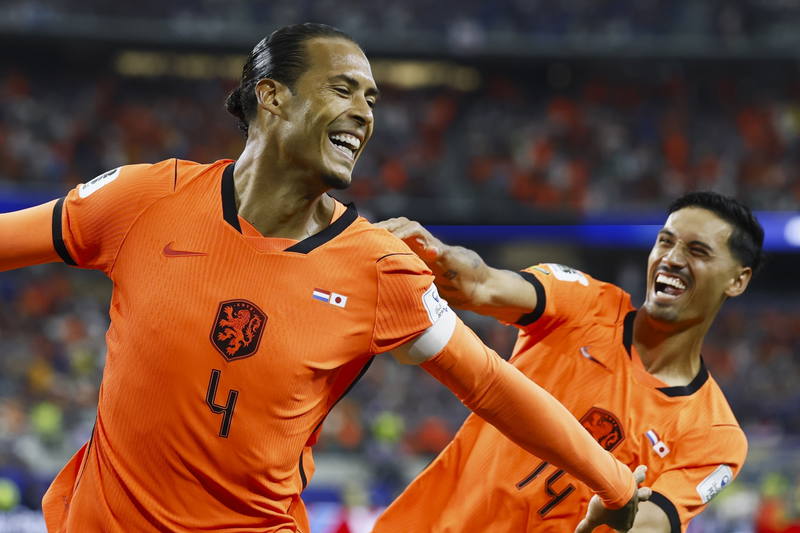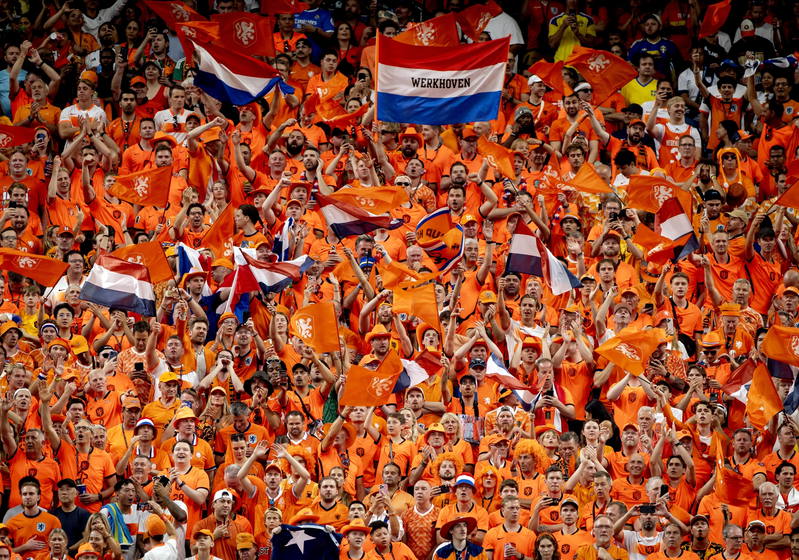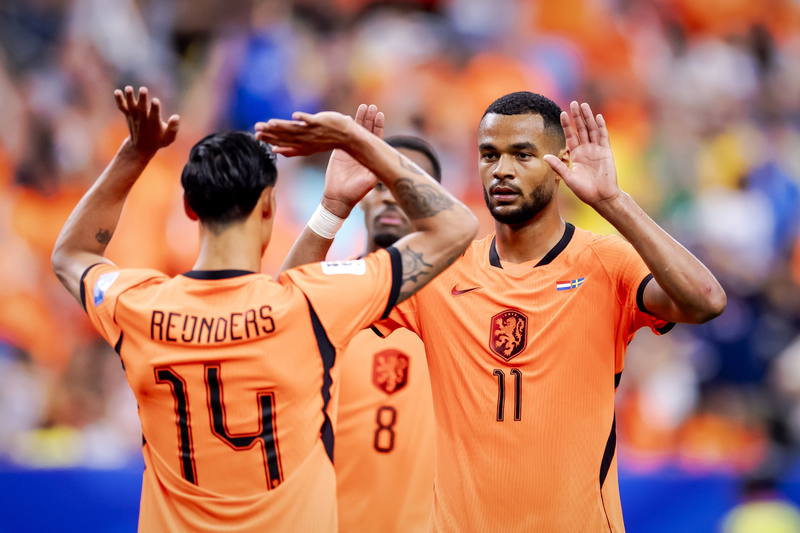
When the final whistle blew on Netherlands vs Japan, the match had delivered everything a World Cup opener promised: four goals, two comebacks, and genuine drama. Daichi Kamada's 88th-minute equaliser capped a 2-2 draw in which neither side gave an inch. But the post-match narrative was written not on the pitch, but in the broadcast booth by Rafael van der Vaart, whose commentary sparked three overlapping controversies that consumed far more attention than the match itself.
The first came fast. When discussing a corner kick, Van der Vaart made a remark about Japanese players looking alike, framing it as a joke. "They do look alike, of course, maybe he thought that... That's a joke, of course. I hardly dare say anything," he said. The self-awareness signaled he knew he'd crossed a line. It did not matter. Football media outlets and social channels treated the comment as a racial stereotype reproduced on air, regardless of Van der Vaart's stated intent. He later issued a formal apology: "I understand that some people found my words hurtful. I sincerely regret that." The incident raised urgent questions about broadcast standards and who polices live commentary in high-stakes matches.
The criticism, the shin pads, and the safety gap
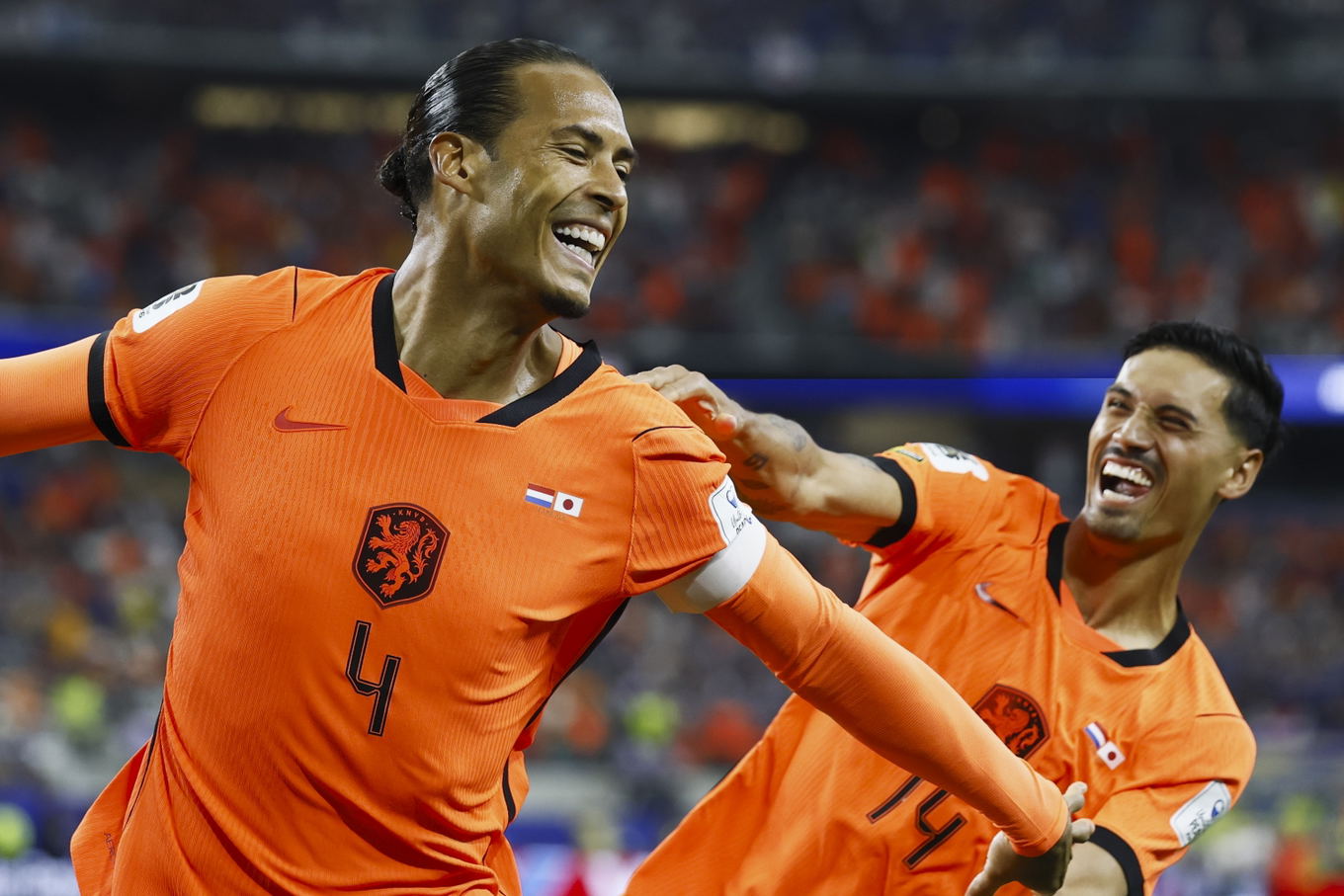
Van der Vaart's second target was Virgil van Dijk. The Netherlands captain had just scored the opening goal and delivered a composed defensive display. Van der Vaart saw it differently. "I was quite shocked by Van Dijk," he said. "Especially while turning. A bit like a Boeing 747 turning." The metaphor was vivid, and wholly unsupported by data: Van Dijk earned a 7.9 match rating, completed 95 passes, and recorded three duel wins—statistics that contradicted the narrative of sluggish, heavy-handed play.
The third controversy took longer to surface but cut deeper. Keito Nakamura, Japan's attacker who scored in the 57th minute, faced accusations that his shin pads were inadequate—minimal protection that observers argued breached IFAB's Law 4.2 requirement for "suitable material" and "appropriate size." No referee sanctioned him. Yet the conversation about elite players routinely wearing smaller pads for comfort, without enforcement, exposed a safety gap that medical experts could not ignore.
Bob Sangar, a former club doctor, warned of the risks: "Some modern-day football boots have got sharp angled studs quite capable of slicing through a sock, skin and muscle." He cited a concrete example—a Wycombe Wanderers player who suffered a laceration requiring close to 30 stitches from a stud contact. The Nakamura controversy became less about a single player's choice and more about a sport-wide tolerance of minimal protection at the highest level.
What got buried beneath the drama were the performances themselves. Crysencio Summerville posted the match's highest rating of 8.3, including his crucial 64th-minute goal that gave the Netherlands the lead. Nakamura delivered a 7.7 rating alongside his goal. Daichi Kamada's equaliser (7.3 rating, 58 completed passes) earned Japan a hard-fought point against a European opponent in a genuine World Cup statement.
The 2-2 draw will not shift opinions about either team's tournament prospects. But Van der Vaart's remarks—the offensive comment, the unfair criticism, and the unresolved safety question—have already shifted conversations about what elite football broadcasts allow to air, and what the sport permits players to wear.
Written by Sam Whitfield with AI-assisted research, cross-checked against 4 outlets. How we work →