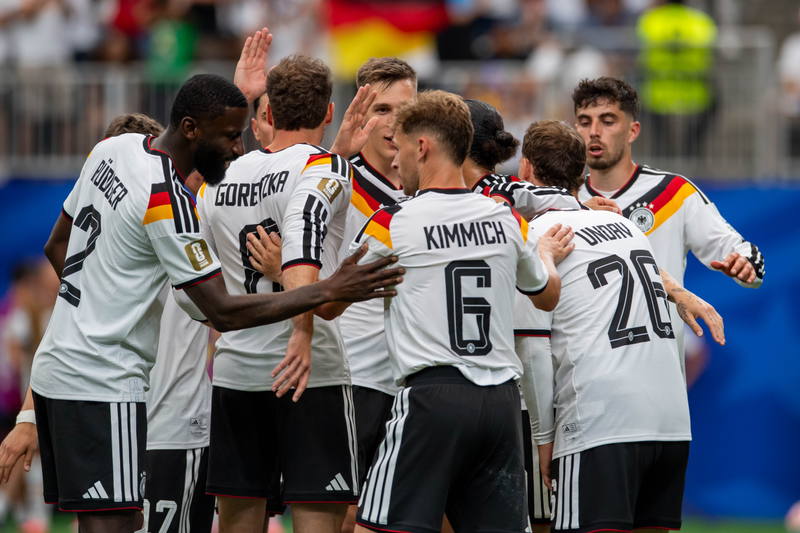


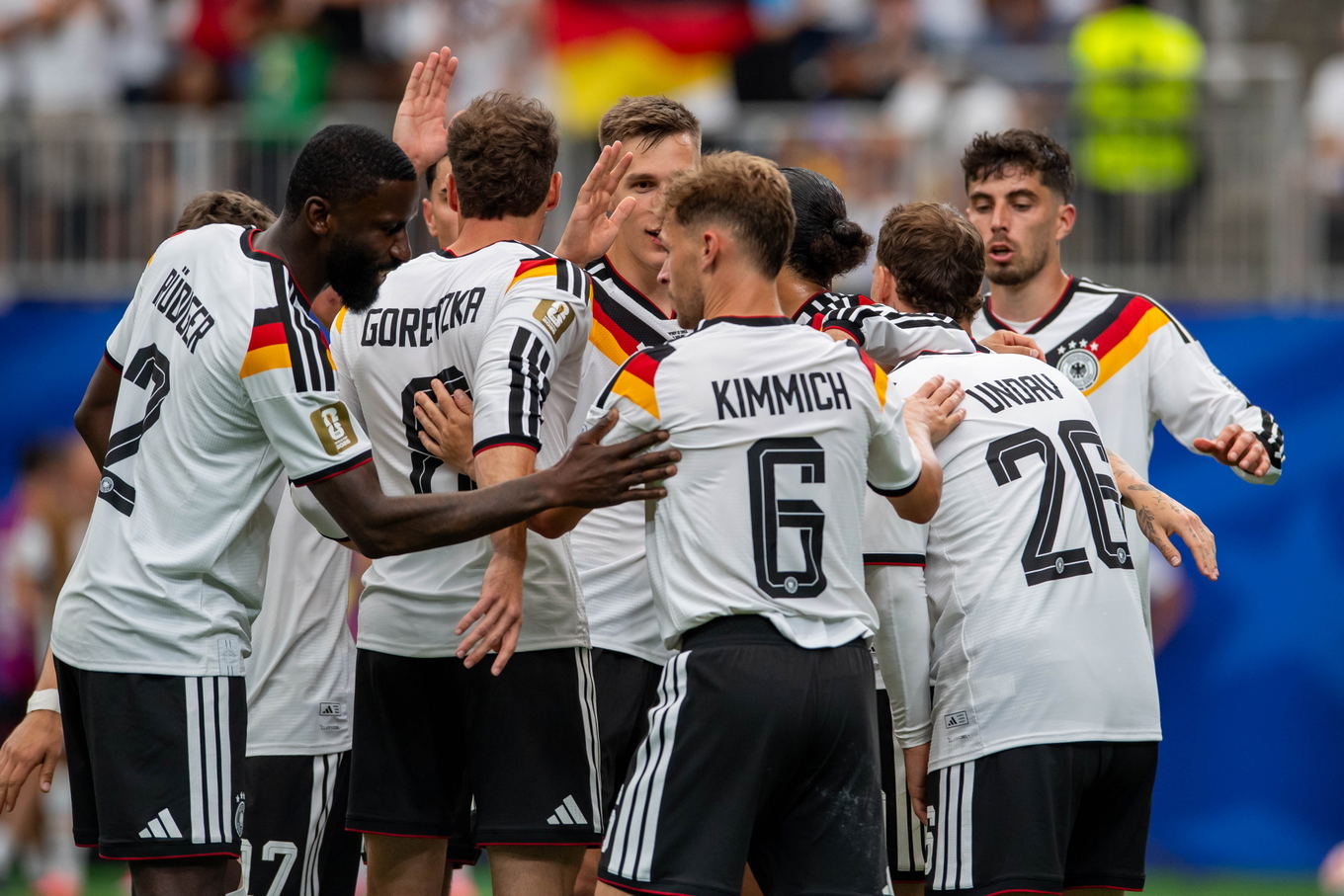
Ecuador did not beat Germany by waiting for one break. They beat them by dragging the game away from Germany's early control and into a contest of aggression, second balls and sharpness. In Ecuador vs Germany, Leroy Sané scored after just 2 minutes, but Ecuador hit back through Nilson Angulo in the 9th and won it through Gonzalo Plata in the 77th.
Germany still went through as group winners, so this was not an elimination story. It was a warning. Julian Nagelsmann kept faith with a near-identical side, got the fast start he wanted, then watched Ecuador's energy take over once the game stopped being clean and settled.
Ecuador's pressure and Germany's heavy legs
The pattern was obvious quite early. Germany could still produce quality in the first phase, and Sané's opener gave them the ideal start, but Ecuador refused to let the match stay tidy for long. Angulo's equaliser came only seven minutes later by the official event timing, even if some reports put it slightly differently, and it changed the rhythm immediately.
That goal mattered because it arrived before Germany could settle into control. Angulo struck from outside the box and beat Manuel Neuer, which reset the match at 1-1 and invited Ecuador to keep playing on the front foot instead of protecting themselves.
Jamal Musiala was blunt afterwards, telling bundesliga.com: "They simply had more hunger to win the game today. The level of aggression was very high throughout the match. Now we have to prepare for the decisive phase - we need to win the next games."
That lines up with what Germany's own performance looked like. Nagelsmann said: "We had a great start. In the second half we made a lot of changes because some players had heavy legs. For Ecuador it was all or nothing - you could see that. I can't blame any of my players today. But we need to make better use of our counterattacks."
Heavy legs is the key phrase. Germany were not poor from the first whistle. They just could not keep the same speed once Ecuador turned the match into repeated duels and recoveries. Moisés Caicedo and the rest of Ecuador's midfield helped make sure Germany were never comfortable for long enough.
The equaliser changed who the game suited
The comeback is even more striking given Ecuador had failed to score in their first 180 minutes of the tournament. They had produced 39 shots across those two games and still had nothing to show for it. Against Germany, their finishing finally matched their aggression.
Angulo was central to that shift. His 8.2 match rating was the best on Ecuador's side, and it fit the eye test as well. He did not just score. He gave Ecuador directness and belief at the exact moment Germany expected the game to calm down.
Germany's problem after that was not only the defending on the two goals. It was how often they made the next phase easier for Ecuador. Joshua Kimmich told goal.com: "We started the game well, but then we lost the ball too often and made the opponent stronger as a result. In the second half, it was a deserved defeat. Now we can't afford another loss."
That is a harsher verdict than managers usually offer after a group-stage defeat, and it felt accurate. Germany had enough attacking quality on the pitch, with Deniz Undav and Florian Wirtz among the options around Sané, but the game kept slipping away from them between the boxes.
Plata's finish and the warning before the round of 32
Plata's winner summed up the night. Kevin Rodríguez's flick-on opened the space, Plata attacked it, and Ecuador completed the turnaround in the 77th minute. A few reports put the winner a minute later or described it as coming 13 minutes from time, but the official event time is 77, and it capped the phase of the match Ecuador had been owning.
Sebastian Beccacece focused on the wider significance after the game, telling mirror.co.uk: "It is not about what it means to me; this is for the people. The players have given them this qualification. Let them celebrate and enjoy it."
For Ecuador, that is fair enough. They had not scored in the tournament before this game and still found a way to beat the group winners. For Germany, the harder part is that the flaws were the same ones Nagelsmann wanted to avoid before the knockout rounds: loose possession, fading midfield control and a side that looked less sharp as the match wore on.
The defeat in New Jersey ended Germany's 11-game winning streak, but the bigger issue is what it says about their condition going into the round of 32. They started this game as if rotation could wait. They finished it looking like Ecuador had picked the better moment to empty the tank.
FAQ
Why did Ecuador beat Germany in the World Cup group game?
Ecuador beat Germany 2-1 because their aggression and energy lasted longer after Germany's fast start. Leroy Sané scored in the 2nd minute, but Nilson Angulo replied in the 9th and Gonzalo Plata scored the winner in the 77th. Jamal Musiala admitted Ecuador had more hunger, and Germany's own players pointed to turnovers and fading sharpness.
Did Germany rotate too little against Ecuador?
The evidence points that way. Germany started quickly, but Julian Nagelsmann later said he made a lot of second-half changes because some players had heavy legs. A near-identical XI looked short of energy as Ecuador kept pressing. Germany still progressed as group winners, but the performance exposed a problem before the round of 32.
Who scored in Ecuador vs Germany?
Leroy Sané gave Germany the lead after 2 minutes. Nilson Angulo equalised in the 9th minute with a strike from outside the box that beat Manuel Neuer. Gonzalo Plata then scored the winner in the 77th minute from Kevin Rodríguez's flick-on as Ecuador completed a 2-1 comeback.
Was Ecuador's comeback surprising after their start to the tournament?
Yes. Ecuador had failed to score in their first 180 minutes of the tournament before facing Germany. They had also managed 39 shots across those first two matches without finding a goal. Against Germany, they finally turned that pressure into finishing, with Angulo and Plata supplying the goals.
- bavarianfootballworks.com
- bundesliga.com
- football365.com
- goal.com
- independent.co.uk
- mirror.co.uk
- skysports.com
- sportsmole.co.uk
- standard.co.uk
Written by Jack Mercer with AI-assisted research, cross-checked against 9 outlets. How we work →