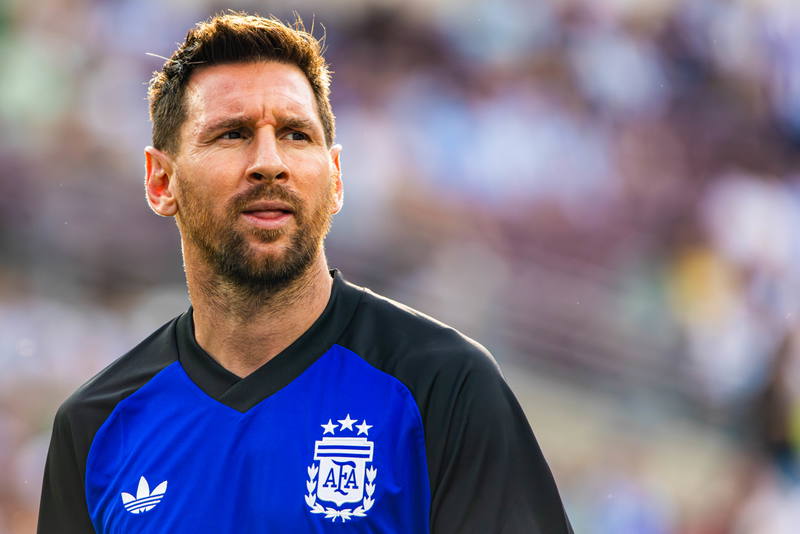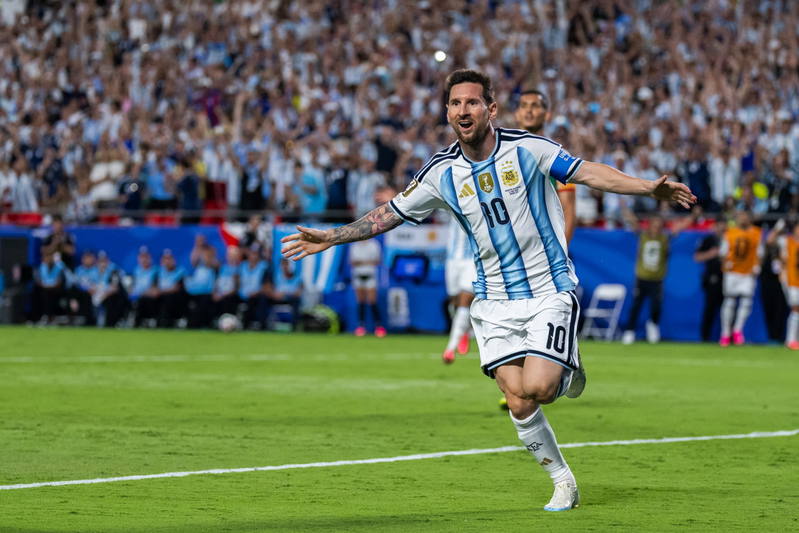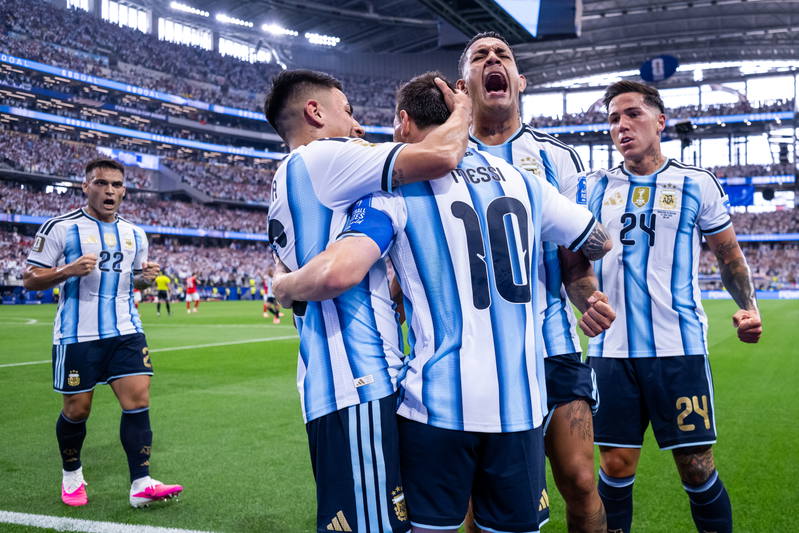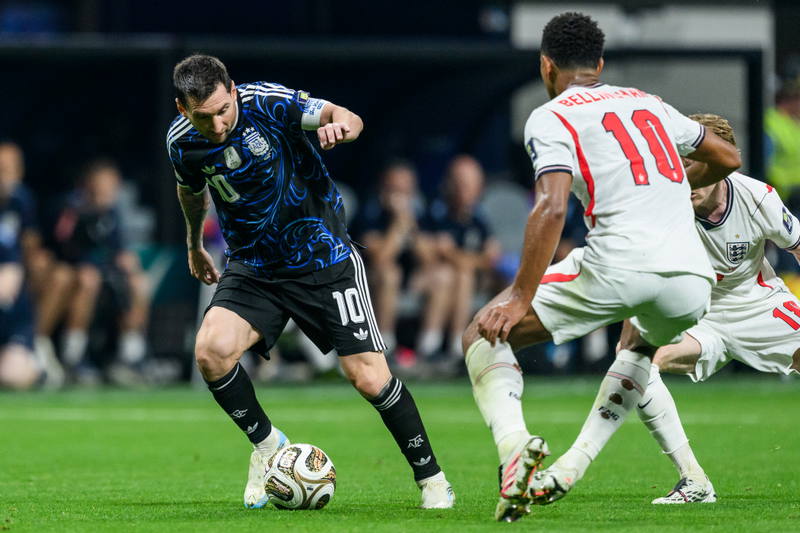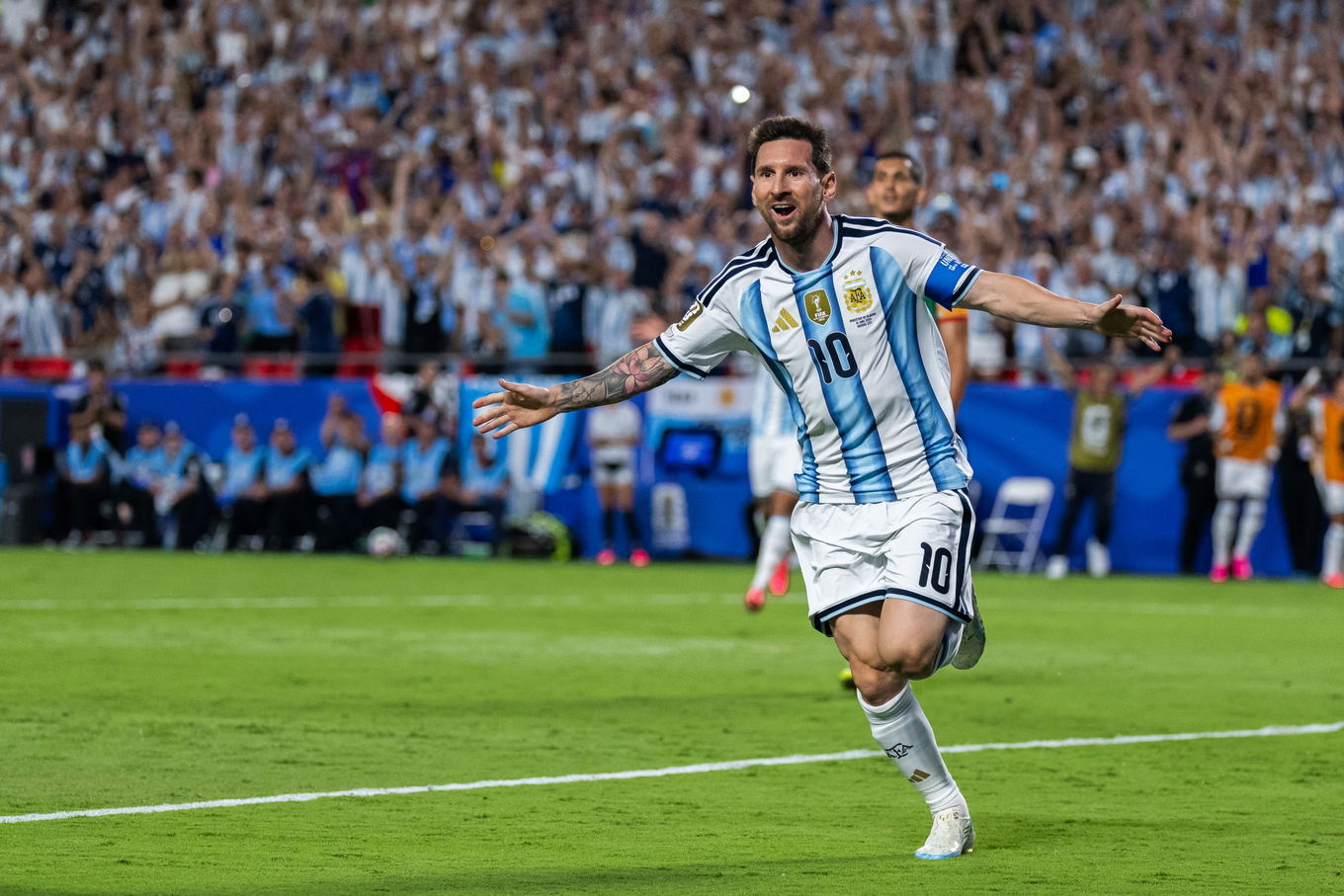
Lionel Messi is now alone at the top of the World Cup scoring list on 17 goals after scoring against Austria. The record itself is the headline, but the shape of the night makes it more interesting. Messi had already missed an early penalty before recovering to score in the 39th minute, or shortly before half-time depending on the report, and move past M. Klose's mark of 16.
The broader context matters here too. Messi did not arrive at Argentina vs Austria needing a miracle performance. He had already matched Klose with a hat-trick against Algeria in the opener, so this was the game that turned a joint record into a clear one.
The missed penalty and the record goal
Messi's finish against Austria pushed him to 17 World Cup goals and one clear at the top. That much is settled. The more unusual part is that the record-breaking moment came after a bad early miss from the spot.
Reports agree that Messi skewed the penalty wide. They disagree on the exact side, with one account saying it went past the left post and another saying it missed the right-hand post. The detail is minor, but it does underline the one point that cannot be blurred: he did not take the record with the penalty itself.
He took it later from open play, and that recovery is what gives the night its edge. Players miss penalties all the time. Doing it in a match where a world record is within reach changes the pressure a little, especially for someone who had already pulled level with Klose and knew the next goal would put him out on his own.
Sky Sports reported that Messi scored in the 39th minute in Arlington. Another account placed it shortly before the break. The exact phrasing differs, but the timing sits in the same window and the outcome is clear. Messi went into half-time as the outright leading scorer in World Cup history.
That also took him to four goals at the 2026 World Cup already. For a story built around a career total, that part should not be lost. This is not just an old record being nudged over the line. Messi has started the tournament fast as well.
The Algeria hat-trick set this up
The Austria game gets the historical label, but the record was really set in motion one match earlier. Messi's hat-trick against Algeria brought him level with Klose on 16, which meant the chase had already narrowed to a single finish.
That matters for how this should be read. The Austria goal was decisive, but it was not an isolated flash in an otherwise quiet campaign. Messi has four goals at this tournament after two matches, and three of them came in the opener. The record was built through a quick burst across both games, not through one ceremonial strike.
There is also a reason the missed penalty does not cheapen the moment in any serious way. If anything, it sharpens it. Messi had an easier route to the record, failed with it, then found another way before the interval. In football terms, that tells you more than a routine spot-kick conversion would have.
goal.com went bigger with its verdict, saying Messi had "cemented his status as the greatest to ever do it by becoming the outright leading goalscorer in World Cup history." That is stronger language than some will like, and fair enough, because greatest debates never end neatly. The simpler point is still the strongest one: the World Cup scoring record now belongs to Messi alone.
What the new total changes
The number is now 17 for Messi and 16 for Klose. That one-goal gap is small on paper, but it changes the framing completely because joint ownership is gone.
It also changes how the opening phase of this tournament will be remembered for Argentina. Messi's hat-trick against Algeria drew him level. His goal against Austria moved him clear. Across those two matches, he went from chasing the record to owning it.
There is no need to stretch beyond that. The scoreline against Austria has not been established here, and the game does not need extra decoration anyway. The essential facts are strong enough on their own: an early penalty miss, a 39th-minute response, and a new World Cup record of 17 goals.
FAQ
How did Lionel Messi break the World Cup goals record against Austria?
Messi moved to 17 World Cup goals against Austria, taking him one clear of Miroslav Klose's 16. He missed an early penalty, then recovered to score in the 39th minute, or shortly before half-time depending on the report, to set the new mark.
Why was Messi already close to the World Cup scoring record before playing Austria?
He had already pulled level with Klose on 16 World Cup goals in Argentina's opener against Algeria. That hat-trick meant the Austria game was not an unexpected record chase. It was the next step after Messi had already matched the old mark.
Did Lionel Messi score the record goal from the penalty against Austria?
No. The sources say Messi missed the early penalty and later scored from open play. Reports differ on whether the miss went wide of the left post or the right-hand post, but they agree on the key point: the record goal did not come from the spot.
How many World Cup goals does Lionel Messi have now?
Messi now has 17 World Cup goals. That puts him one goal ahead of Miroslav Klose on 16 and makes him the outright leading scorer in World Cup history.
Written by Sam Whitfield with AI-assisted research, cross-checked against 6 outlets. How we work →