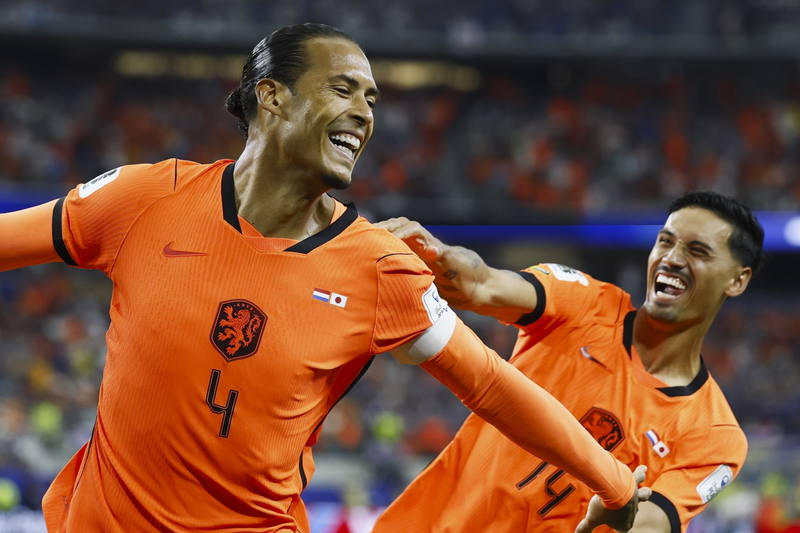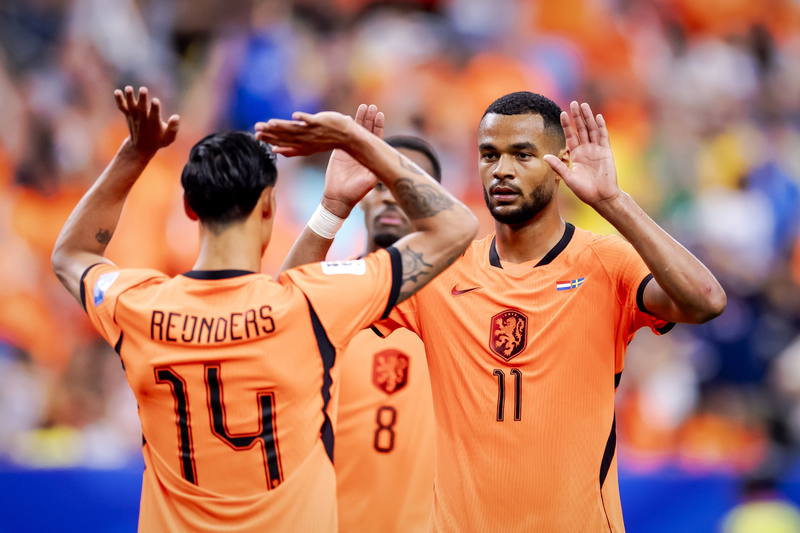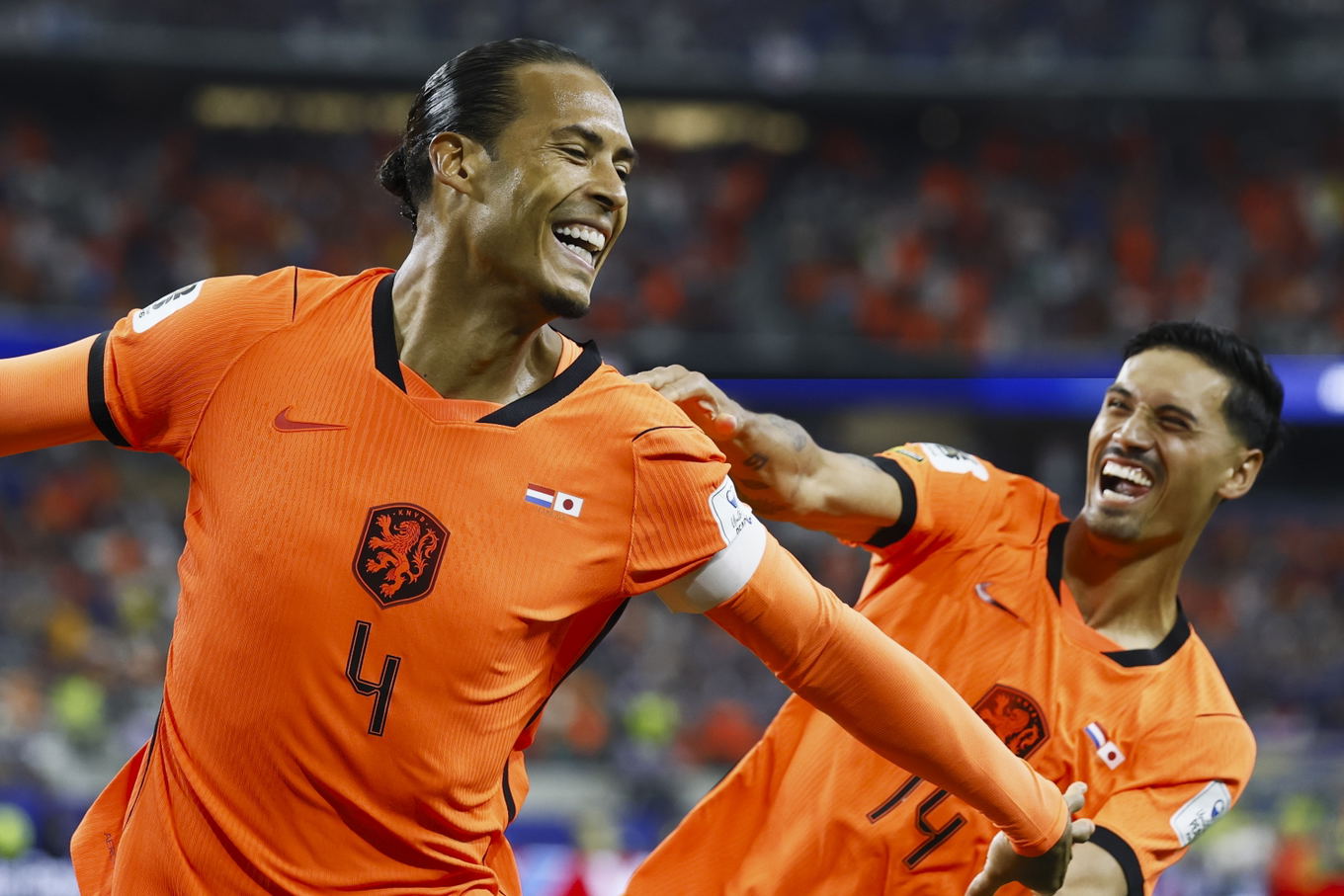
Virgil van Dijk scored in Netherlands' 2-2 draw with Japan, then used his post-match interview to question FIFA's mandatory hydration breaks. He said they make sense in extreme heat, but they are “not really something that I like” when they turn into commercial interruptions for TV viewers. FIFA mandated a three-minute hydration break in each half of all 104 World Cup matches, and the breaks were enforced in both halves of Netherlands vs Japan even with AT&T Stadium’s roof closed and the climate controlled.
What Van Dijk objected to
Van Dijk was clear that his issue was not with player welfare in hot conditions. “I think hydration breaks are really interesting,” he said. “So if it is really hot, obviously it would be good to put them in, but I think you have to look at it in every game separately, in my opinion.”
The sharper part of his criticism was about what happens on television. “Every time going to commercials is a bit ... not really something that I like,” he said. “For the neutral watchers on TV it is also not great.” That is the point he kept returning to, and it is the stronger part of his case. A break used because conditions demand it is one thing. A mandatory stoppage that becomes a broadcast slot is another.
Why the draw still mattered
The match itself was not a throwaway backdrop. Netherlands and Japan finished level, with Daichi Kamada's late equaliser denying the Dutch a win in Dallas. Van Dijk’s performance still stood up, with a 7.9 rating and one goal in the 2-2 draw. He had done his job on the pitch before turning the discussion to FIFA off it.
That makes the criticism harder to dismiss as simple frustration after a disappointing result. He scored, he influenced the game, and then he made a fairly direct argument about the policy itself.
The wider issue is not settled by one interview, but Van Dijk’s position is the cleaner one here. He is not arguing against hydration breaks in general. He is arguing against treating them as automatic, game-wide fixtures when the conditions do not demand them. If FIFA keeps the rule in place, the debate will now sit alongside the football in every match where the temperature does not do the convincing for them.
Written by Sam Whitfield with AI-assisted research, cross-checked against 6 outlets. How we work →