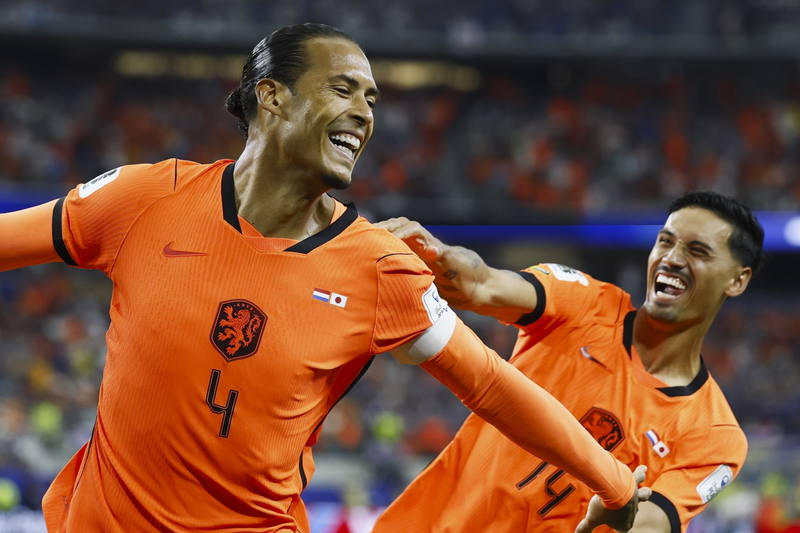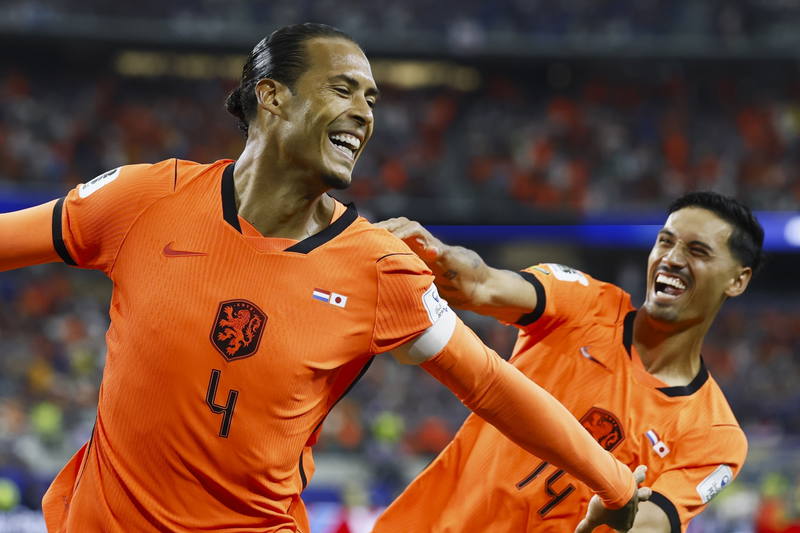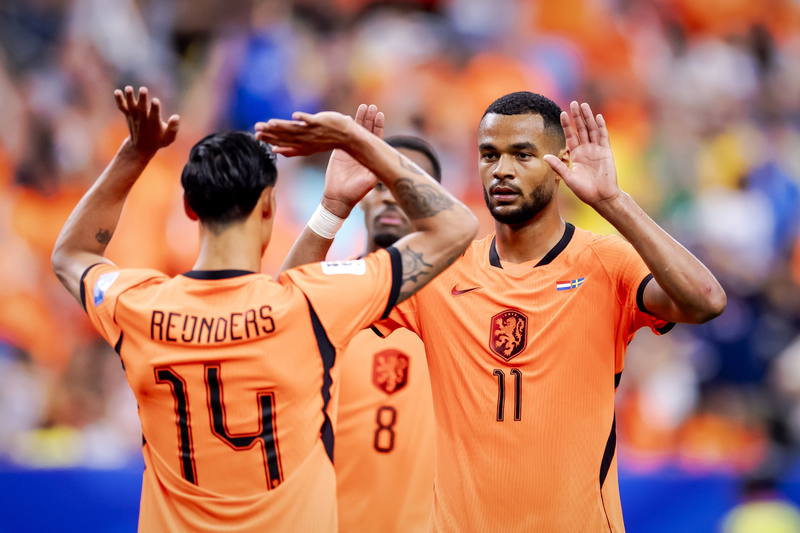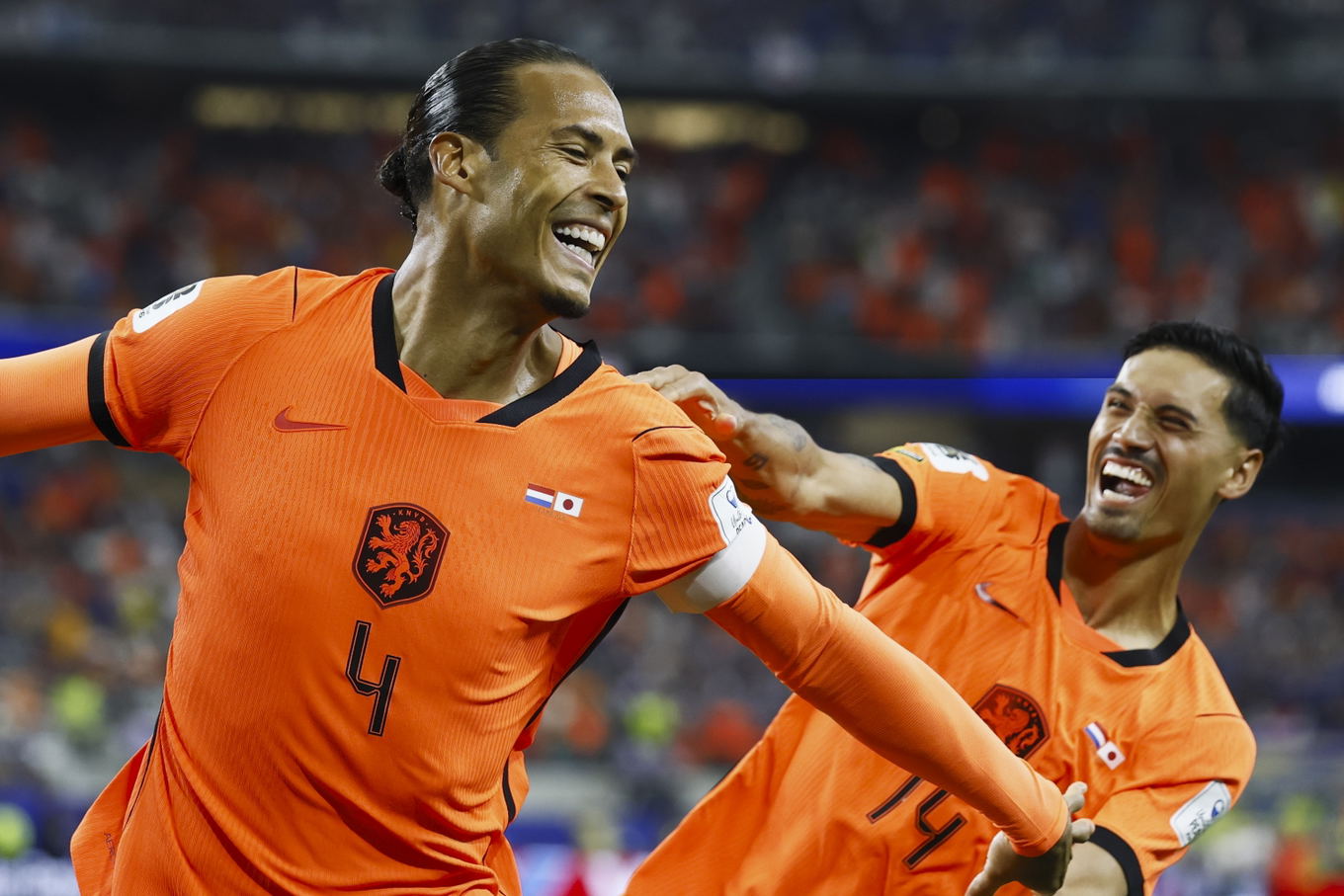
Virgil van Dijk and Ronald Koeman pushed back at the idea that the Netherlands became too defensive after taking the lead against Japan. The game finished 2-2, with Daichi Kamada equalising with one minute of normal time left after Van Dijk had put the Netherlands ahead with a header that went in off the post.
Why Van Dijk and Koeman were comfortable with the approach
Van Dijk said the problem was not that the Netherlands stopped trying to play. “It was difficult to play through them,” he told Mirror, adding that Japan were “very compact” in the middle and that the Netherlands “kept it tight well” before conceding from a set piece. Koeman took the same line. “I can live with that,” he said of the late 2-2, while also stressing that there were “plenty of things to learn from.”
The numbers fit Van Dijk’s case more than the critics would like. He was the Netherlands’ top-rated starter at 7.9, played the full 94 minutes and scored once in the draw. Koeman also started the team in a 4-3-3, so this was not a side set up with a flat refusal to attack from the first whistle.
Why the pundits still had a point
Rafael van der Vaart was blunt about what he saw. “You kind of brought this upon yourself,” he said, arguing that the match “became very defensive” after looking promising. Pierre van Hooijdonk made a similar point, saying that once the Netherlands dropped back with Crysencio Summerville and Donyell Malen, they took “all the speed out of it” and were left with “absolutely no weapons left.”
That criticism is not without merit. The equaliser came from a corner, and Japan had already shown they could stay compact enough to make the Netherlands work for every opening. Van Dijk’s own explanation points to that same issue, because if the ball is not moved quickly enough, Japan’s shape becomes harder to break down and the pressure keeps coming.
The cleanest reading is that both sides have something to say. Van Dijk and Koeman have a fair defence, because the Netherlands were ahead, had control for spells and still created a performance built around a 4-3-3. The pundits also have a fair complaint, because once the lead was there, the team did not keep enough attacking threat to stop Japan from hanging around until Kamada’s late goal.
The draw leaves the argument open, but the game itself gives both camps evidence. The Netherlands did enough to lead twice, then let Japan back in from a corner with the match almost gone.
Written by Sam Whitfield with AI-assisted research, cross-checked against 1 outlet. How we work →